martedì, luglio 20, 2021

If we want a future, we must promote ‘familism’ not ‘workism’


In many countries, including Ireland, not enough babies are being born to prevent the population ageing and declining. Many factors are at work, including the cost of living. But another, linked factor, is that increasingly we prioritise work over family, that is ‘workism’ supplants ‘familism’.

Different strategies have been implemented by governments to tackle low fertility among couples, including subsidised day-care but a new report by the Institute for Family Study suggests this kind of approach can backfire because it still promotes the idea that work, and the workplace, are more important than family and the home.

A common assumption in modern societies is that if men and women share household chores equally, and women can be facilitated to do as many hours paid work as men via affordable day-care, then the number of births will go up.

But the IFS’s new report, “More work, fewer babies” challenges this assumption and says that the more a society values the workplace and careers (‘workism’), the more the fertility rate will drop.

The report finds that in wealthy countries work is not simply a necessity but also an important source of value and meaning. Providing more benefits aimed at workers (universal child-care, parental leave programs, etc.) enforces what the authors of the report call a “workist” attitude. Government policies that promote more time at work can reduce fertility rates further.

The report focuses on the Nordic countries because they introduced affordable day-care and generous parental leave programmes a long time ago. For a while it seemed to some that this encouraged more child-bearing, but in fact all of the Nordic countries have below replacement fertility levels.

The report claims that Nordic policies are too focused on the division of labour between men and women and focus “not enough attention on the value that individuals and society directly place on work and family”. (p. 5) The policies reinforce the idea that work is the centre of meaning in life, and so, fully egalitarian couples express their mutual commitment by supporting each other’s success at work, rather than spending more time as a family. “Workism is associated with suppressed fertility at high level of socioeconomic development” (p. 8)

Instead “familism”, the valued placed on family, supports having children. Evidence from international databases shows that those couples who value family more than work have more children. Negative fertility effects are concentrated among those individuals – both men and women – who rate work more highly than family. This pattern can be observed in all countries, but it is more pronounced in wealthiest countries, with robust social welfare, where individuals work more for the accomplishment of personally motivated projects, rather than simply for their material well-being.

This confirms that “familism”, more than gender equality, is associated with more procreation.

This is true also on a country level. When “workism” declines, as it has happened for instance in Poland between 2012 and 2017, fertility increases.

The report concludes that “workism is a clearly identifiable social phenomenon significantly associated with fertility outcomes”. (p. 17) When couples regard their home, rather than the workplace, as the primary value of their live, their fertility will be higher. If we want a future as a society we have to promote ‘familism’ over ‘workism’.

venerdì, luglio 16, 2021

What assisted suicide tells people with disabilities


The Oireachtas Justice Committee discussed the topic of assisted suicide/euthanasia in private session during the week. We wonder if the members considered concerns raised by disability rights groups internationally about such laws affect them, the signal it sends that their lives are less worth living than those of fully healthy people.

Four United Nations Rapporteurs on human rights have expressed their concerns in recent times about the impact that euthanasia and assisted suicide laws have on disabled people and their families.

In February 2020, during the presentation of her latest report to the UN Human Rights Council, the United Nation Special Rapporteur on the rights of persons with disabilities, Catalina Devandas, said: “If assisted dying is made available for persons with health conditions or impairments, but who are not terminally ill, a social assumption could be made that it is better to be dead than to live with a disability. People have the right to live and to die with dignity, but we cannot accept that people choose to end their lives because of social stigma, isolation or lack of access to personal assistance or disability-related services.”

She warned that those laws, and also medical practices such as prenatal screening, may “revive eugenics ideas” because of the effect they have on those who are considered unfit. The strongest and more able are favoured while the vulnerable are pressured by society to request euthanasia.

Such concerns are shared by many disabled persons organisations that are actively campaigning against the introduction of laws legalising euthanasia and assisted suicide.

For instance, the Independent Living Movement Ireland have criticised the assisted suicide Bill proposed by far-left TD, Gino Kenny. They wrote in their submission to the Oireachtas Justice Committee: “Many disabled people are against the Bill as it could become a ‘slippery slope’ moving from dying with dignity to assisted suicide, where the conversation changes from people who are terminally ill to people choosing to end their lives, which in other jurisdictions has often focused on people with impairments, who without the supports to live a free full life feel that their lives are not worth living. There are fears which are real and justified by very recent history.”

Three more UN human rights experts have spoken against euthanasia for disabled people recently.

In January this year, Gerard Quinn ( Special Rapporteur on the rights of persons with disabilities), Olivier De Schutter (Special Rapporteur on extreme poverty and human rights) and Claudia Mahler (Independent Expert on the enjoyment of all human rights by older persons) have together voiced their alarm at the growing trend in Western countries to enact legislation enabling access to so-called “medically assisted dying” based on disabling conditions, which would include old age or dementia.

“Disability should never be a ground or justification to end someone’s life directly or indirectly.”, they wrote.

The three experts said that when, through legislation, assisted suicide and euthanasia are normalised for people who are not terminally ill or suffering at the end of their lives, such legislative provisions tend to rest on assumptions about the inherent ‘quality of life’ or ‘worth’ of the life of a person with a disability.

The message sent to the general public is that some lives are less worth living than others. What follows inevitably is an unconscious pressure on vulnerable groups to feel as a burden to their families and to society, so that a request for medically assisted dying is expected from them.

Such legislative provisions, the UN experts said, would institutionalise and legally authorise ‘ableism’, which is treating someone unfavourably simply because of their disability. Laws of this sort “directly violate Article 10 of the UN Convention on the Rights of Persons with Disabilities, which requires States to ensure that persons with disabilities can effectively enjoy their inherent right to life on an equal basis with others.”

Debates on assisted suicide and euthanasia are often based on values such as ‘individual freedom’ and ‘bodily autonomy’, without consideration for the wider consequences that those laws have on disabled people and other vulnerable groups. The intervention of different UN human rights experts is significant, and it should be carefully considered by the Oireachtas committee that is discussing the “Dying with Dignity Bill”.

martedì, luglio 13, 2021

Homo ludens et crudelis

Con la vittoria della nazionale italiana agli europei, qualcuno ha fatto notare che, in fondo, siamo sempre all’antico sistema usato dagli imperatori romani del “panem et circenses” per gabbare il popolo mentre proprio in Europa, con l’aiuto del “commissario” Mario Draghi, si sta preparando un futuro di “lacrime e sangue” attraverso il Recovery Fund, che è un ulteriore cappio al collo di indebitamento e condizionalità. Non solo, anche il trionfo dei nostri calciatori sarà usato – già sta avvenendo – come strumento di propaganda pro vaccinazione.

Alla luce di un simile argomentare, in sé vero, un amico mi ha inviato questo messaggio, non suo ma da lui evidentemente sottoscritto e condiviso: “Mentre dissanguavano la Grecia le fecero vincere gli europei. Vi fa pensare qualcosa mandrie?”

Questo amico è persona colta, preparata, arguta, avvezza a leggere in controluce tra le pieghe dei fatti. Sa cogliere i retroscena delle questioni come pochi altri e spesso mette il dito nella piaga che altri neanche vedono. Ma a volte il disprezzo delle “mandrie” – le masse sono di per sé amorfe e passive e quindi condizionabili, tuttavia più che disprezzarle si dovrebbe elevarle (Cristo le fuggiva ma aveva di esse compassione come di pecore senza veri pastori) – gioca brutti scherzi. E così questo amico nell’inviare il messaggio, da lui apprezzato, non si è accorto del grossolano errore contenuto nello stesso. La Grecia vinse gli europei di calcio, contro il Portogallo, a Lisbona, il 4 luglio 2004 mentre la crisi economica, conseguenza di quella mondiale, la investì nel 2010 (il declassamento dei titoli del debito pubblico ellenico a titoli spazzatura è dell’aprile 2010 dopo che il governo greco, nell’autunno 2009, aveva ammesso di aver falsificato i bilanci) ed il commissariamento eurocratico di Atene, con le politiche genocide di austerità, ebbe inizio tra il 2011 (con qualche avvisaglia già nel 2010) ed il 2012. Quindi il Paese ellenico non vinse gli europei di calcio mentre lo spolpavano e se, inviando quel messaggio, l’amico in questione ha voluto vedere in quel trionfo calcistico un’arma di distrazione di massa, per le mandrie appunto, affinché i padroni del vapore potessero indisturbati inchiodare i greci alla loro catene, proprio non ci siamo.

Una riflessione sul rapporto tra agonismo sportivo e politica va comune fatta, iniziando con il porsi la domanda se il primo sia o meno in grado di contribuire se non proprio al rafforzamento dell’identità nazionale quantomeno ad ostacolarne, per quanto su un piano pre-politico, l’evaporazione totale.

La Grecia, come l’Italia, per via della sua storia, ha una debole coscienza nazionale. Eppure qualcosa ci dice che le masse che si riversarono nelle strade di Atene nel 2004 per festeggiare il trionfo calcistico sono le stesse che, nel 2015, elessero a larga maggioranza Alexis Tsipras e determinarono la schiacciante vittoria referendaria dell’oki (“no”) contrario al piano imposto dalla Troika per dissanguare il Paese. Certo fu quello un moto di popolo tradito, come spesso è accaduto nella storia, ma supporre un collegamento tra la mobilitazione sportiva e, almeno nei momenti di crisi, una conquista, o quantomeno una reminiscenza, identitaria da parte del popolo non è tesi azzardata.

Sempre sul web è circolato, in questi giorni, un altro messaggio, una frase attribuita nientemeno che a Winston Churchill. Stando a questo messaggio, veicolato sulla rete, lo statista inglese, non si sa quando né quale sia la fonte della citazione, avrebbe  affermato: “Che strano popolo gli italiani. Affrontano una partita di calcio come fosse una guerra! Ed invece affrontano una guerra come fosse una partita di calcio”.

Non abbiamo prove che questo aforisma sia proprio del premier inglese e che invece non gli sia stato attribuito per creare un effetto raffreddamento dell’entusiasmo popolare in occasione della vittoria della nazionale. Tuttavia in tale frase c’è qualcosa di vero e non solo nel suo immediato senso anti-italiano – a noi non pare, tuttavia, che ad El Alamein, ed altrove, l’esercito italiano si sia comportato in modo disonorevole (piuttosto inefficienti erano gli armamenti ed incapace lo stato maggiore) – ma anche nel senso antropologicamente recondito che essa, nonostante tutto, contiene. Sì, perché in effetti una partita di calcio, come qualsiasi gioco, esprime aspetti bellici come al contempo la guerra, almeno quella antica, esprime aspetti ludici.

Ce lo hanno spiegato due storici di eccezione, Franco Cardini e Johan Huizinga.

Il primo nell’opera “Quell’antica festa crudele – Guerra e cultura della guerra dal Medioevo alla Rivoluzione francese” (Il Mulino, 2013). Si tratta di un classico sul tema della guerra affrontata soprattutto dal punto di vista della mentalità, ovvero in altri termini della “cultura della guerra”. Esaminandola nel lungo arco di tempo dall’Alto Medioevo alla Grande Rivoluzione, Cardini spiega come la guerra sia stata una presenza costante ed ineliminabile dell’uomo eppure, in fondo, fino all’età contemporanea, molto meno devastante di quelle della nostra epoca “umanitaria” e pacifista.

«… la guerra del lungo periodo fra XI e XVIII secolo – scrive Cardini – sembra aver costantemente cercato (sia pure con qualche lunga parentesi, specie fra Cinque e Seicento) di non perdere di vista certi valori irrinunziabili, di rimaner circoscritta ai combattenti e alle ragioni per cui era di volta in volta scoppiata, di non coinvolgere la società nel suo complesso arrestandone tutte le funzioni vitali, insomma di autolimitarsi. Gli ideali cavallereschi prima, il diritto internazionale poi, la meditazione dei filosofi settecenteschi infine, sono stati tentativi differenti di umanizzare e limitare i conflitti, poiché era palese utopia l’evitarli del tutto e in tutto. Lo stesso tendere della guerra a trasformarsi in una sorta d’istituzione permanente, il suo “cronicizzarsi” pare aver condotto all’instaurarsi d’un equilibrio tra fattori demografici, sociali, politici, produttivi, religioso-mentali all’interno della società europea preindustriale. Il fenomeno della guerra totale è rimasto sostanzialmente estraneo a quel mondo, che anzi ha assistito, nel XVIII secolo, a un grande sforzo anche intellettuale per ulteriormente umanizzare e limitare i conflitti».

Il motivo profondo di questa autolimitazione della guerra va cercato nel suo carattere “festoso” e “ludico” – da qui la definizione cardiniana di “festa crudele” – dato che anche la guerra, come altre dimensioni dell’umano, è strettamente connessa con il gioco. Ed il gioco è innanzitutto regola ossia limitazione della forza fisica. Esempi di tentativi di limitazione della guerra nei suoi aspetti cruenti e contemporaneamente di esaltazione del suo carattere crudelmente ludico sono i racconti, tra mito e storia, delle antiche sfide concluse con duelli “in singolar tenzone”, quindi riducendo al minimo lo spargimento di sangue, come quelli degli Orazi e Curiazi, di Ettore ed Achille, della cosiddetta disfida di Barletta, o quello biblico di Davide e Golia. La stessa cavalleria medioevale nasce su questo modello di guerra limitata, connotata appunto da cortesia cavalleresca, e di quasi-gioco. Non a caso i tornei cavallereschi si chiamavano “giostre”. Termini moderni come “fair play” – correttezza, lealtà – hanno origine cavalleresca. Ora, è esattamente da questa intrinseca natura ludica della guerra che è nato anche l’agonismo sportivo. Le Olimpiadi in Grecia erano una alternativa agonistica alla guerra tra le polis ed una riaffermazione dell’unità delle stesse in quanto appartenenti alla medesima civiltà. Il trionfatore olimpico veniva onorato alla pari dell’eroe vittorioso in guerra.

Lo studio più approfondito del ruolo del gioco nella società umana, quindi anche di quel gioco crudele che è la guerra, resta l’opera di Johan Huizinga “Homo ludens” (Einaudi, 1979). Apparsa nel 1939, quest’opera, in modo interdisciplinare, mostra le vie e le forme attraverso le quali il gioco è alla base stessa della nascita del sapere, dell’arte, della poesia, del diritto, della guerra, del mito, della filosofia. Secondo Huizinga, il gioco ha generato e forgiato la stessa esistenza comunitaria degli uomini. Esso, infatti, è rito, festa, parata, ritmo e genera solidarietà ed appartenenza. Non a caso il sottotitolo dell’opera è “Saggio sull’origine delle civiltà dal gioco”.

Huizinga mette in evidenza che Il gioco «è un’azione, o un’occupazione volontaria, compiuta entro certi limiti definiti di tempo e di spazio, secondo una regola volontariamente assunta, e che tuttavia impegna in maniera assoluta, che ha un fine in se stessa; accompagnata da un senso di tensione e di gioia, e dalla coscienza di “essere diversi” dalla “vita ordinaria”». Senza tale elemento ludico, secondo lo storico olandese, non possono esistere né la cultura né la società.

Nonostante che anche gli animali giocano per istinto, il gioco è una delle azioni che distinguono l’Homo sapiens dall’animalità, intesa come sfera dei bisogni primari, perché mediante il gioco «la vita sociale si riveste di forme sopra-biologiche che le conferiscono maggior valore». Richiamando Platone, che considerava il gioco una azione sacra, Huizinga giunge a sostenere che «la filosofia, comunque approfondita, rimase un nobile gioco». Il gioco consente la coesistenza di leggerezza e di tragicità. Dopo il Settecento, la modernità occidentale ha  smarrito il carattere ludico dell’esistenza sostituendolo con un “infantilismo” tanto stolto quanto individualisticamente capriccioso. Secondo Huizinga lo sport professionistico è una sorta di tentativo di mantenere una unità fra gioco e cultura nonostante che proprio la professionalizzazione dello sport tenda a causare una diversificazione tra l’uno e l’altra. Attraverso il gioco si impara a capire che le nostre azioni hanno un loro senso sicché il gioco è, paradossalmente, una cosa seria perché insegna il rispetto delle regole. Senza il gioco, quindi senza le regole, ci sarà soltanto il dominio sarà dei prepotenti ossia di coloro che non sapendo giocare, appunto secondo le regole, si comportano come guastafeste e disturbatori del rito comunitario, che nell’attività ludica si manifesta. Giocare “alla guerra”, poi, è sempre stata una forma di catarsi, un modo per attraversare paure ancestrali o semplicemente per educare il corpo e lo spirito alle tattiche e alle regole militari. Per Huizinga il gioco è speculare ai sistemi dell’“Homo faber”, ossia dell’Homo oeconomicus che si è imposto nella modernità.

Il gioco è allenamento all’autocontrollo, esercizio preparatorio per evacuare gli istinti nocivi, le pulsioni animali, l’ansia. E’ errato contrapporre gioco e serietà «L’opposizione gioco-serietà non pare né conclusiva né stabile … bambini, calciatori, scacchisti giocano con la massima serietà senza la minima tendenza a ridere». Il gioco è anche bellezza «Nelle sue forme più evolute il gioco è intessuto di ritmo e d’armonia, le doti più nobili della facoltà percettiva estetica che siano date all’uomo. I vincoli tra gioco e bellezza sono molteplici e saldi». Ed è libertà «Ogni gioco è anzitutto e soprattutto un atto libero. Il gioco comandato non è più un gioco». Ma nel suo carattere simulatore il gioco è anche ordine perché se «non è la vita “ordinaria” … (è però) indispensabile … per il senso che contiene … (sicché in tal modo) esso crea un ordine, è un ordine …». Il gioco, inoltre, avendo « … le sue regole … (genera) … diversità e misteri, riti di iniziazione, carnevale, maschera/travestimento».

Anche, e forse soprattutto, nella guerra il gioco manifesta il suo ruolo ordinatore. Nel Giappone antico le attività dei ceti superiori erano legate al gioco sicché «il samurai stimava che ciò che è cosa seria per gli uomini comuni deve essere un gioco per l’uomo di valore». Seguendo l’etica del Bushido, la cultura giapponese tradizionale esaltava l’eccezionale serietà dell’ideale aristocratico di vita nella convinzione che la vita non è che un gioco. Invece la guerra moderna ha perso ogni contatto col gioco con la conseguenza che essa è diventata illimitata nella sua ferocia. La guerra non conosce più regole e gli Stati moderni scalpitano per sottrarsi all’antico “pacta sunt servanda”.

Alla luce della breve disamina di cui sopra, è quindi possibile non biasimare quel residuo di rito comunitario che è la festa popolare per una partita vinta dalla nazionale di calcio. Perché la partita è surrogato, certo molto scadente, dell’antica pratica giocosa della guerra ed il vincente è l’erede, certo molto modesto, dell’eroe antico, dell’atleta olimpico, del cavaliere medioevale. Ma, nonostante il suo essere un surrogato adatto ad un’epoca nella quale predomina non l’Homo ludens ma l’Homo faber, è possibile affrontare – a dispetto di Churchill – una partita di calcio, una finale europea vinta, come una guerra. Magari, piuttosto, la guerra, la feroce e tremenda guerra tecnologica moderna di massa, tornasse ad essere approcciata – sempre per stare alle presunte parole di Churchill – come una partita di calcio, ossia come un gioco, come una festa crudele ma limitata nella sua violenza!

Pertanto, in una vittoria calcistica è possibile e legittimo ritrovare anche i motivi di antiche contese, di antiche rivalità, di atavici contenziosi, politici o religiosi, che persistono ancora oggi.

Luigi Copertino

lunedì, luglio 12, 2021

РЕКОРДНО ВИСОК БРОЈ АБОРТУСА У ЕНГЛЕСКОЈ И ВЕЛСУ

 Број абортуса у Енглеској наставља да расте и у 2020. години достигао је рекордно висок број. Годишњи извештај који је недавно представила британска влада доноси језиве податке.

Упркос затварању земље, чак 209.917 жена у Енглеској и Велсу прошле године извршило је абортус. То је највећа бројка још од 1967. године када је абортус у Великој Британији легализован. Забележена је и највиша стопа намерног побачаја: 18,2 абортуса на 1.000 жена у репродуктивном добу. Извештај не укључује Шкотску и Северну Ирску, али подаци из Шкотске за 2020. годину слични су онима у Енглеској. Заправо, Шкотска је такође забележила највећу стопу абортуса до сада.

Такође треба истаћи да се бројке не односе на број абортиране деце, већ на број жена које су абортирале, тј. број поступака абортуса. Стога, с обзиром на то да су неке жене носиле више од једног детета, број побачених беба заправо је још већи.

Демографски гледано, 81% жена које су током 2020. године абортирале у Енглеској и Велсу нису удате. Овај однос остао је непромењен током последње деценије. Од свих жена које одлазе на абортус, чак 51% су неудате, али имају партнера.

Штавише, док број абортуса међу малолетним девојкама и даље опада, у порасту је за све остале старосне групе, што је тренд који се може уочити и у свим другим западним земљама, а може се објаснити помоћу два феномена: социјализација најмлађих на интернету и нормализација абортуса у остатку популације.

Данас млади имају мање контаката уживо, углавном се друже а интернету и као резултат тога, мање је малолетничких трудноћа и абортуса. С друге стране, легализација абортуса на већем делу Запада током последњих педесет година довела је до нормализације тог поступка, због чега многи доживљавају прекид трудноће једноставно као метод контроле рађања.

Према горе наведеном извештају, више од половине жена старијих од 30 година које су абортирале у 2020. години већ су раније имале прекиде трудноће. Пре десет година број жена које поново долазе на абортус износио је 44%. То значи да поновљени абортуси постају све чешћи.

Међутим, 2020. била је ванредна година, а извештај владе Велике Британије за Енглеску и Велс даје јасну представу о утицају ковида-19 на добровољни прекид трудноће.

У прва три месеца године, тј. пре закључавања и увођења ограничења, број жена које су абортирале повећао се за 4,1% у односу на исти период претходне године. Након наглог скока у априлу (+28,7% од 2019) после првог закључавања, није било значајне разлике у осталим месецима у односу на претходну годину (+0,1%). У четвртом кварталу (октобар–децембар) забележен је благи пад од 0,8%, али ако упоредимо бројке за ове две године, заправо видимо да је дошло до укупног повећања од 1,2%. Укратко, бројке расту и нови вирус корона је само мало успорио њихов раст.

Друга последица пандемије јесте смањење селективних абортуса који се изводе како би се смањио број фетуса у случају вишеплодних трудноћа, што се обично дешава након циклуса потпомогнуте оплодње, и еуфемистички се назива „селективна редукција“. Неколико вештачки зачетих ембриона убацује се у материцу жене, а када је број ембриона који се усаде и преживе већи од броја жељене деце, неки се одаберу и уклоне, односно убију. У Енглеској је забележен пад са 126 таквих случајева у 2019. години на 65 у 2020. години. Реч је о значајном смањењу, што се може објаснити чињеницом да су током пандемије многе клинике за вантелесну оплодњу биле принуђене да затворе или смање своје активности.

Жене из иностранства такође долазе у Енглеску на абортус, а већина су Иркиње. Иако су бројке знатно смањене откако је Ирска легализовала абортус 2019. године, извјештај владе Велике Британије за 2020. годину наводи да су међу женама које су абортирале у Енглеској и Велсу и 194 жене које живе у Ирској. Трећина ових прекида укључује фетусе с нефаталним инвалидитетом. У Ирској је абортус доступан до 12. недеље, али оваква стања се често дијагностикују након тог законског рока, стога жене које желе абортус и даље долазе у Енглеску или Велс да би то урадиле.

Иако се укупан број жена из Ирске преполовио од 2019. године, број побачених беба с Дауновим синдромом и даље расте. Таквих абортуса било је 17 у 2018. години, 27 у 2019. години и 35 прошле године. Чак је и међу Британкама број абортираних беба с Дауновим синдромом порастао за 6% за само годину дана. То се делимично објашњава чињеницом да све више жена одлази на пренатални скрининг којим се дијагностикују хромозомске или генетске абнормалности. Али пораст броја абортиране деце с Дауновим синдромом последица је и либерализације абортуса, који се све више користи из еугеничких разлога, тј. с циљем елиминације оних људских бића која се сматрају несавршеним.

Британски научник Ричард Докинс, говорећи на ирском националном радију пре неколико месеци, изјавио је да би абортирање беба с Дауновим синдромом смањило патњу у свету. Што се тиче оних који су скандализовани овим речима, Докинс их је исправно подсетио да је то уобичајена пракса на Западу. Поменути годишњи извештај британске владе даје врло тужну слику стања. Све више Британки одлази на абортус, и то више пута током живота.

Еугеника је у порасту, па тако и селективни абортус. Ови подаци потврђују да су покушаји, иначе чести у Енглеској, да се смањи број абортуса промоцијом контрацепције и сексуалног образовања доживели фијаско. Потребно је много више од тога да бисмо смањили број абортуса и сачували животе деце и жена. Потребна нам је дубока културна промена, а ове екстремне бројке треба да нам пољуљају савест и натерају људе да размишљају.

Rekordabtreibungszahlen in England und Wales

 Die Zahl der Abtreibungen in England steigt weiter an und wird im Jahr 2020 eine Rekordzahl erreichen. Der in den letzten Tagen von der britischen Regierung vorgelegte Jahresbericht liefert erschreckende Daten.

Trotz des Lockdowns haben letztes Jahr 209.917 Frauen in England und Wales abgetrieben. Es ist die höchste Zahl seit der Entkriminalisierung der Abtreibung in Großbritannien im Jahr 1967. Dies bedeutet auch die höchste Abtreibungsrate, 18,2%, berechnet pro tausend Frauen im gebärfähigen Alter. Der Bericht deckt Schottland und Nordirland nicht ab, aber die schottischen Zahlen für 2020 sind ähnlich wie die in England. Auch dort wurde die höchste Abtreibungsrate aller Zeiten verzeichnet.

Es sollte auch darauf hingewiesen werden, dass sich die Zahlen nicht auf die Anzahl der abgetriebenen Babys beziehen, sondern auf die Anzahl der Frauen, die abgetrieben haben.

Demographisch gesehen waren 81% der Frauen, die im Jahr 2020 in England und Wales abgetrieben haben, ledig, ein Anteil, der im letzten Jahrzehnt unverändert geblieben ist. 51% von ihnen sind Single mit Partner.

Darüber hinaus sind Abtreibungen bei Minderjährigen zwar weiterhin rückläufig, nehmen aber in allen anderen Altersgruppen zu – ein Trend, der in allen westlichen Ländern zu verzeichnen ist und sich durch zwei Phänomene erklären lässt: die Online-Sozialisation der jüngeren Frauen und die Normalisierung der Abtreibung in der übrigen Bevölkerung.

Heutzutage haben junge Menschen weniger persönlichen Kontakt, sie knüpfen ihre Kontakte über das Internet, und infolgedessen sind Schwangerschaften und Abtreibungen bei Minderjährigen rückläufig. Andererseits hat die Legalisierung der Abtreibung in weiten Teilen des Westens in den letzten fünfzig Jahren zu ihrer Normalisierung geführt, weshalb der Schwangerschaftsabbruch von vielen einfach als eine Methode der Geburtenkontrolle wahrgenommen wird.

Laut dem oben zitierten Bericht hat mehr als die Hälfte der Frauen über 30, die im Jahr 2020 eine Abtreibung vornehmen lassen, dies bereits zuvor getan. Vor zehn Jahren waren es noch 44%. Wiederholte Schwangerschaftsabbrüche sind also immer häufiger.

Das Jahr 2020 war jedoch ein Ausnahmejahr, und der Bericht der britischen Regierung für England und Wales vermittelt eine klare Vorstellung von den Auswirkungen von COVID-19 auf freiwillige Schwangerschaftsabbrüche.

In den ersten drei Monaten des Jahres, also vor den Schließungen und Einschränkungen, stieg die Zahl der Frauen, die einen Schwangerschaftsabbruch vornehmen ließen, um 4,1% gegenüber dem Vorjahreszeitraum. Nach einem starken Anstieg im April (+28,7% gegenüber 2019), der auf die erste Sperrung folgte, gab es in den anderen Monaten keinen wesentlichen Unterschied zum Vorjahr (+0,1%). Im vierten Quartal (Oktober-Dezember) gab es daher einen leichten Rückgang von 0,8%, aber im Vergleich der beiden Jahre gab es insgesamt einen Anstieg von 1,2%. Kurz gesagt, die Zahlen wachsen und das neue Coronavirus hat das Wachstum nur ein wenig verlangsamt.

Eine weitere Folge der Pandemie ist der Rückgang der selektiven Abtreibungen, die durchgeführt werden, um die Anzahl der Föten bei Mehrlingsschwangerschaften zu reduzieren, was normalerweise nach einem Zyklus der assistierten Befruchtung geschieht. Mehrere künstlich gezeugte Embryonen werden in die Gebärmutter der Frau übertragen, und wenn die Zahl der implantierten Embryonen, die überleben, größer ist als die Zahl der gewünschten Kinder, werden einige von ihnen ausgewählt und getötet. In England gab es einen Rückgang von 126 Fällen im Jahr 2019 auf 65 im Jahr 2020. Dies ist ein signifikanter Rückgang und lässt sich dadurch erklären, dass viele IVF-Dienste während der Pandemie geschlossen oder den Betrieb reduziert haben.

Auch Frauen aus dem Ausland lassen in England abtreiben, die meisten von ihnen sind Iren. Obwohl die Zahlen seit der Liberalisierung des Schwangerschaftsabbruchs in Irland im Jahr 2019 deutlich gesunken sind, verzeichnet der Bericht der britischen Regierung für das Jahr 2020 194 Frauen, die in Irland leben, unter denen, die in England und Wales abgetrieben haben. Ein Drittel dieser Abtreibungen betrifft nicht-tödlich behinderte Föten. In Irland sind Abtreibungen bis zur 12. Woche möglich, aber diese Erkrankungen werden oft erst nach der gesetzlichen Frist diagnostiziert, weshalb diejenigen, die eine Abtreibung wünschen, nach England oder Wales gehen.

Obwohl die Gesamtzahl der Frauen aus Irland im Jahr 2019 halbiert wurde, ist die Zahl der abgetriebenen Babys mit Down-Syndrom weiter gestiegen. Im Jahr 2018 waren es 17, im Jahr 2019 waren es 27 und im letzten Jahr waren es 35. Selbst bei den britischen Frauen stiegen sie in nur einem Jahr um 6%. Diese Zahl erklärt sich zum Teil dadurch, dass mehr Frauen das pränatale Screening in Anspruch nehmen, mit dem chromosomale oder genetische Anomalien diagnostiziert werden können. Die zunehmende Unterdrückung von Babys mit Down-Syndrom ist aber auch eine Folge der Liberalisierung der Abtreibung, die zunehmend aus eugenischen Gründen vorgenommen wird, d.h. um diejenigen zu verwerfen, die als unvollkommen gelten.

Der britische Wissenschaftler Richard Dawkins behauptete vor einigen Monaten im irischen Nationalradio, dass die Abtreibung von Babys mit Down-Syndrom das Leid in der Welt verringern würde, und denjenigen, die sich über diese Worte empörten, wies er zu Recht darauf hin, dass dies im Westen eine gängige Praxis ist. Der oben erwähnte Jahresbericht der britischen Regierung zeichnet ein sehr trauriges Bild der Situation. Immer mehr britische Frauen lassen abtreiben und tun dies auch immer öfter.

Eugenik ist auf dem Vormarsch und selektive Abtreibung ist auf dem Vormarsch. Diese Zahlen bestätigen, dass Versuche, typischerweise in England, Abtreibungen durch die Förderung von Verhütung und Sexualerziehung zu reduzieren, kläglich scheitern. Vielmehr ist etwas anderes erforderlich. Wir brauchen einen tiefgreifenden kulturellen Wandel und diese Zahlen, die so extrem sind, sollten das Gewissen aufrütteln und die Menschen zum Nachdenken bringen.

Northern Ireland sees a big jump in the number of abortions


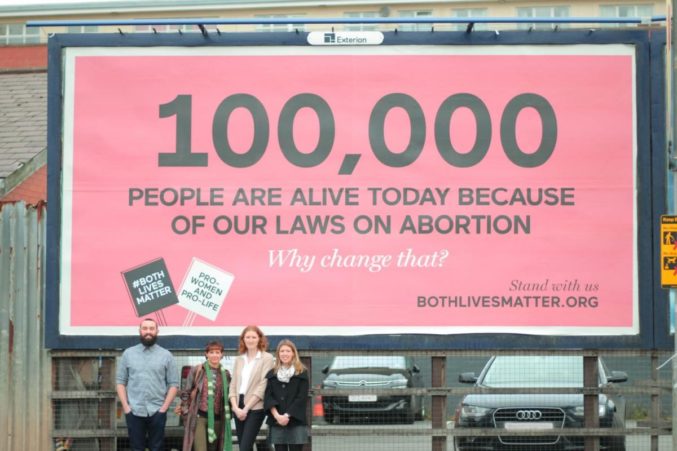
“100,000 people are alive today because of our laws on abortion, why change that?”, said a Northern Ireland-based billboard campaign in 2017. The Advertising Standard Authority found the claim was largely accurate. Now we can see how accurate the ad was, because a radical liberalisation of the North’s abortion law in March of last year has led to a big increase in the number of terminations there.

The previous, largely pro-life law was overturned by Westminster. From March 2020 until the beginning of June, the Department of Health received 1,624 notifications of abortions. This is a huge increase.

The abortion landscape in the North has changed tremendously over the last few years.

In 2016, 724 women from Northern Ireland had an abortion in England. But in June 2017, the British Government announced that it would fund abortions for women ordinarily resident in Northern Ireland and there has been a significant growth since the funding announcement: there were 919 cases in 2017 and 1,053 in 2018.

In 2019, for the first time abortion was offered in the Republic and 67 women from Northern Ireland availed of it while 1,014 went to England. The total for 2019 was 1,081.

As the North’s mainly pro-life law was then suppressed, the numbers took a massive jump.

The latest figures (1,624) from the Department of Health refer to the March 2020 – May 2021 period. If we take into consideration that it covers 14 months, it is the equivalent of 116 average per month or 1,392 per year. A clear surge when compared to the past. This figure refers only to women who has abortions in the North. You need to add in those who went either to England or to the South for terminations.

Last year, 371 went to England and 36 to the Republic. This comes to 407. Adding that to 1,392 or so who had abortions in the North in the first 12 months of the operation of the new law, we arrive at a total of about 1,800. This represents a 66.5% increase in one year. This is the dramatic effect of the liberalisation.

In 2016, abortions amounts to 3pc of live births in Northern Ireland. In 2020, the figure was 8.6pc. There were more abortions and fewer births.

Even if we take into consideration that a number of abortions were not recorded, as they involved the use of illegal pills, it is implausible to deny that with liberalisation the rates went up.

We don’t have demographic details from the Department of Health of Northern Ireland, but the England and Wales report tells us that 89% of women who travelled there were single (50.8% single with partner). 15.1% of them had an abortion before, and 54.4% had given birth before.  40.3% identified as White British and 45.3% as White Irish. The official report of the Republic has no demographic details.

That billboard campaign was right. Thousands of lives were saved before Westminster imposed an extremely liberal abortion last year and, if the trend continues, many thousands more will die.

The 8th amendment also saved many lives.

mercoledì, luglio 07, 2021

Angleterre et Pays de Galles, avortements record

Les avortements en Angleterre continuent de croître, atteignant un nombre record en 2020. Le rapport annuel présenté ces derniers jours par le gouvernement britannique fournit des données qui font froid dans le dos.

Car malgré le verrouillage, 209 917 femmes en Angleterre et au Pays de Galles ont avorté l’année dernière. Il s’agit du chiffre le plus élevé depuis que le Royaume-Uni a libéralisé l’avortement en 1967. Ce rapport montre également le taux d’avortement le plus élevé, 18,2, calculé pour mille femmes en âge de procréer. Le rapport ne couvre pas l’Écosse et l’Irlande du Nord, mais les chiffres écossais pour 2020 sont similaires à ceux de l’Angleterre. En fait, le taux d’avortement le plus élevé jamais enregistré l’a été là aussi.

Il convient également de préciser que les chiffres ne se réfèrent pas au nombre d’enfants avortés, mais au nombre de femmes ayant subi un avortement et que, par conséquent, étant donné que certaines d’entre elles portaient plus d’un enfant, le nombre de fœtus avortés est encore plus élevé.

Sur le plan démographique, 81 % des femmes qui ont avorté en Angleterre et au Pays de Galles en 2020 sont célibataires, une proportion qui n’a pas changé au cours de la dernière décennie. 51% d’entre elles sont célibataires avec un partenaire.

Par ailleurs, si les avortements continuent de baisser chez les jeunes filles mineures, ils sont en hausse pour toutes les autres tranches d’âge, une tendance que l’on observe dans tous les pays occidentaux et qui s’explique par deux phénomènes : la socialisation en ligne des plus jeunes et la normalisation de l’avortement dans le reste de la population.

Aujourd’hui, les jeunes ont moins de contacts directs, ils se socialisent sur Internet et, par conséquent, il y a moins de grossesses précoces et d’avortements. D’autre part, la légalisation de l’avortement dans une grande partie de l’Occident au cours des cinquante dernières années a conduit à sa normalisation, ce qui explique que l’interruption de grossesse soit perçue par beaucoup comme une simple méthode de contrôle des naissances.

Selon le rapport cité ci-dessus, plus de la moitié des femmes de plus de 30 ans qui ont avorté en 2020 l’avaient déjà fait auparavant. Il y a dix ans, elles étaient 44 %. Les avortements répétés sont donc de plus en plus fréquents.

Cependant, 2020 a été une année exceptionnelle et le rapport du gouvernement britannique pour l’Angleterre et le Pays de Galles donne une idée claire de l’impact du CoViD-19 sur l’interruption volontaire de grossesse.

Au cours des trois premiers mois de l’année, donc avant les fermetures et les restrictions, le nombre de femmes ayant recours à l’avortement a augmenté de 4,1 % par rapport à la même période de l’année précédente. Après un fort pic en avril (+28,7% sur 2019), suite au premier verrouillage, il n’y a pas de différence substantielle les autres mois par rapport à l’année précédente (+0,1%). Au quatrième trimestre (octobre-décembre), il y a donc eu une légère baisse de 0,8%, mais si l’on compare les deux années, on constate une augmentation totale de 1,2%. En bref, les chiffres sont en augmentation et le nouveau coronavirus a un peu ralenti la croissance.

Une autre conséquence de la pandémie est la réduction des avortements sélectifs qui sont pratiqués pour réduire le nombre de fœtus en cas de grossesses multiples, ce qui se produit généralement après un cycle de fécondation assistée. Plusieurs embryons conçus artificiellement sont transférés dans l’utérus de la femme et, lorsque le nombre d’embryons implantés qui survivent est supérieur au nombre d’enfants désirés, certains d’entre eux sont sélectionnés et tués. En Angleterre, on constate une baisse de 126 cas en 2019 à 65 en 2020. Une baisse significative qui s’explique par le fait que, pendant la pandémie, de nombreux services de FIV ont fermé ou réduit leurs activités.

Les femmes étrangères se font également avorter en Angleterre et la majorité d’entre elles sont irlandaises. Bien que les chiffres aient considérablement baissé depuis que l’Irlande a déréglementé l’avortement en 2019, le rapport 2020 du gouvernement britannique recense 194 femmes vivant en Irlande qui sont allées avorter en Angleterre et au Pays de Galles. Un tiers de ces interruptions de grossesse concernent des fœtus présentant des handicaps non mortels. En Irlande, l’avortement est possible jusqu’à la douzième semaine, mais ces pathologies sont souvent diagnostiquées après le délai légal, c’est pourquoi les personnes qui veulent avorter se rendent en Angleterre ou au Pays de Galles.

Bien que le nombre total de femmes originaires d’Irlande ait diminué de moitié depuis 2019, le nombre de bébés trisomiques avortés a continué d’augmenter. Il y en avait 17 en 2018, 27 en 2019 et 35 l’année dernière. Même chez les femmes britanniques, il a augmenté de 6 % en une seule année. Cela s’explique en partie par le fait que de plus en plus de femmes ont recours au dépistage prénatal, qui permet de diagnostiquer les anomalies chromosomiques ou génétiques. Mais la croissance de la suppression des enfants trisomiques est aussi une conséquence de la libéralisation de l’avortement, qui est de plus en plus utilisé pour des raisons eugéniques, c’est-à-dire pour se débarrasser de ceux qui sont considérés comme imparfaits.

Le scientifique britannique Richard Dawkins, s’exprimant sur la radio nationale irlandaise il y a quelques mois, a soutenu que l’avortement des bébés atteints du syndrome de Down diminuerait la souffrance dans le monde et, à ceux qui étaient scandalisés par ces paroles, il avait rappelé à juste titre que c’est une pratique courante en Occident. Le rapport annuel du gouvernement britannique mentionné plus haut donne une image très triste de la situation. De plus en plus de femmes britanniques se font avorter et le font à plusieurs reprises.

L’eugénisme se développe et l’avortement sélectif se développe aussi. Ces données confirment que les tentatives, typiques de l’Angleterre, de réduire les avortements par la promotion de la contraception et de l’éducation sexuelle échouent lamentablement. Il faut plus que ça. Nous avons besoin d’un changement culturel profond et ces chiffres, si extrêmes, devraient secouer les consciences et faire réfléchir les gens.

Record-high abortion numbers in England and Wales

Abortions in England continue to rise, reaching a record-high number in 2020. The annual report recently presented by the British government provides the chilling data.

Despite the lockdown due to COVID-19, as many as 209,917 women in England and Wales had abortions last year. This is the highest figure since the UK liberalized abortion in 1967. It also constitutes the highest abortion rate: 18.2 abortions per 1,000 women of childbearing age. While the report does not include Scotland and Northern Ireland, the Scottish figures for 2020 are similar to those in England. In fact, Scotland also recorded the highest abortion rate ever.

It should also be pointed out that the figures do not refer to the number of aborted children, but to the number of women who have had abortions. Therefore, since some women were pregnant with more than one child, the number of aborted fetuses is even higher.

From a demographic standpoint, 81% of women who had abortions in England and Wales in 2020 were single; a proportion which has remained unchanged over the last decade. As many as 51% of them are single with partners.

Moreover, while abortions continue to decline among underage girls, they are on the rise for all other age groups. It’s a trend that can be observed in all Western countries and explained by two phenomena: online socialization of the young and the normalization of abortion in the rest of the population.

Nowadays, young people have less actual, live contact. They mostly socialize on the internet and as a result, there are fewer underage pregnancies and abortions. On the other hand, the legalization of abortion in much of the West over the past fifty years has led to the normalization of this procedure, which is why the termination of pregnancy is perceived by many simply as a method of birth control.

According to the report cited above, more than half of women over 30 who aborted their babies in 2020, had already had abortions in the past. Ten years ago this figure was 44%. This means that repeat abortions are increasingly common.

However, 2020 was an exceptional year and the UK Government’s report for England and Wales gives a clear idea of the impact of COVID-19 on the voluntary termination of pregnancy.

In the first three months of the year (before lockdowns and restrictions) the number of women having abortions was up 4.1% relative to the same period the previous year. After a sharp spike in April (+28.7% from 2019) following the first lockdown, there was no substantial difference in the other months compared to the previous year (+0.1%). In the fourth quarter, (October–December) there was a slight drop of 0.8%. But if we compare the two years, there was in fact a total increase of 1.2%. In short, the numbers are growing while the fallout from the novel coronavirus has slowed the growth just a little.

Another consequence of the pandemic is the decline in selective abortions that are carried out to reduce the number of fetuses in case of multiple pregnancies, which usually occurs after a cycle of assisted fertilization and is euphemistically called “selective reduction”. Several artificially conceived embryos are transferred into the woman’s uterus and when the number of implanted embryos that survive is greater than the number of desired children, some of the babies are selected and removed (i.e. killed). In England, there has been a drop in the number of such cases from 126 in 2019 to 65 in 2020. This is a significant decrease, which can be explained by the fact that, during the pandemic, many IVF services were forced to close or reduce their activities.

Women from abroad also have abortions in England, and the majority of these are Irish. Although the numbers have dropped significantly since Ireland decriminalized abortion in 2019, the UK government’s 2020 report records 194 women living in Ireland among those who had abortions in England and Wales. One third of these terminations involve fetuses with non-fatal disabilities. In Ireland, abortion is available up to week 12, but these conditions are often diagnosed after this legal deadline, which is why women who want an abortion still go to England or Wales.

Although the total number of Irish women coming to England for abortion has halved since 2019, the number of aborted babies with Down’s syndrome has continued to rise. There were 17 of such abortions in 2018, 27 in 2019 and 35 last year. Even among British women they rose by 6% in a single year. This is partly explained by the fact that more and more women are making use of prenatal screening, which can diagnose chromosomal or genetic abnormalities. But the rise in the suppression of children with Down’s syndrome is also a consequence of the liberalization of abortion, which is increasingly used for eugenic reasons–that is, to eliminate those human beings who are considered imperfect.

British atheist Richard Dawkins, speaking on Irish national radio a few months ago, argued that aborting babies with Down’s syndrome would decrease suffering in the world. As for those who were scandalized by these words, he correctly reminded them that this is a common practice in the West. The aforementioned annual report of the British Government gives a very sad picture of the situation. More and more British women are having abortions, and doing so repeatedly.

Eugenics is on the rise, and so is selective abortion. These data confirm that attempts–typical in England–to decrease abortions through the promotion of contraception and sex education have failed miserably. It takes much more than that. We need a profound cultural change, and these extreme numbers should shake consciences and make people think.

sabato, luglio 03, 2021

Inghilterra e Galles, aborti record


In Inghilterra gli aborti continuano a crescere, raggiungendo nel 2020 un numero record. Il rapporto annuale presentato nei giorni scorsi dal governo britannico fornisce dati agghiaccianti.

Perché, nonostante il lockdown, l’anno scorso sono state 209.917 le donne che in Inghilterra e in Galles hanno abortito. È la cifra più alta, da quando il Regno Unito ha liberalizzato l’aborto nel 1967. Configura anche il tasso più alto tasso di abortività, 18,2, calcolato su mille donne in età fertile. Il rapporto non contempla Scozia e Irlanda del Nord, ma i dati scozzesi per il 2020 sono simili a quelli inglesi. Anche lì è stato infatti registrato il più alto tasso di abortività di sempre.

C’è inoltre da specificare che i dati si riferiscono non al numero dei bambini abortiti, ma di donne che hanno abortito e quindi, poiché alcune di loro portavano in grembo più di un figlio, il numero di feti abortiti è ancora maggiore.

Dal punto di vista demografico, l’81% delle donne che hanno abortito in Inghilterra e in Galles nel 2020 sono single, una proporzione, questa, rimasta invariata nell’ultimo decennio. Il 51% di loro sono single con partner.

Inoltre, se gli aborti continuano a diminuire fra le minorenni, salgono invece per tutte le altre fasce di età, tendenza, questa, che si registra in tutti i Paesi occidentali e che si spiega tenendo conto di due fenomeni: la socializzazione online delle più giovani e la normalizzazione dell’aborto nel resto della popolazione.

Oggigiorno i ragazzi hanno meno contatti dal vivo, socializzano su Internet e, di conseguenza, diminuiscono le gravidanze e gli aborti fra le minorenni. D’altra parte la legalizzazione dell’aborto avvenuta in gran parte dell’Occidente negli ultimi cinquanta anni ha portato a una sua normalizzazione, motivo per cui l’interruzione di gravidanza viene percepita da molti semplicemente come un metodo di controllo delle nascite.

Secondo il rapporto citato, più della metà delle donne sopra i 30 anni che hanno abortito nel 2020 l’aveva già fatto in passato. Dieci anni fa erano il 44%. Quindi gli aborti ripetuti sono sempre più comuni.

Il 2020 è stato peraltro un anno eccezionale e il rapporto del governo britannico per Inghilterra e Galles dà un’idea netta dell’impatto esercitato dal CoViD-19 sull’interruzione volontaria della gravidanza.

Nei primi tre mesi dell’anno, quindi prima di chiusure e restrizioni, il numero di donne che hanno abortito è salito del 4,1% rispetto allo stesso periodo dell’anno precedente. Dopo un brusco picco in aprile (+28,7% rispetto al 2019), successivo al primo lockdown, negli altri mesi non vi è stata differenza sostanziale rispetto all’anno precedente (+0,1%). Nel quarto trimestre (ottobre-dicembre) si è avvertito dunque un leggero calo dello 0,8%, ma, se si confrontano i due anni, si registra un incremento totale dell’1,2%. Insomma, i numeri crescono e il nuovo coronavirus ne ha rallentato la crescita di poco.

Altra conseguenza della pandemia è la riduzione degli aborti selettivi che vengono effettuati per ridurre il numero di feti in caso di gravidanze multiple, cosa che, solitamente, avviene dopo un ciclo di fecondazione assistita. Diversi embrioni concepiti artificialmente vengono trasferiti nell’utero della donna e, quando il numero degli embrioni impiantati che sopravvivono è superiore a quello dei figli desiderati, alcuni di questi vengono selezionati e uccisi. In Inghilterra c’è stato un calo da 126 casi nel 2019 a 65 nel 2020. Una diminuzione significativa, spiegabile con il fatto che, durante la pandemia, molti servizi di fecondazione assistita hanno chiuso o ridotto le attività.

In Inghilterra abortiscono anche donne provenienti dall’estero e la maggioranza di queste sono irlandesi. Anche se i numeri sono scesi sensibilmente da quando, nel 2019, l’Irlanda ha liberalizzato l’aborto, il rapporto del governo britannico per il 2020 registra 194 donne residenti in Irlanda fra quelle che hanno abortito in Inghilterra e in Galles. Un terzo di queste interruzioni di gravidanza riguarda feti con disabilità non fatale. In Irlanda è del resto possibile accedere a questo genere di aborto fino alla dodicesima settimana, ma tali condizioni vengono spesso diagnosticate dopo il termine di legge, motivo per cui chi vuole abortire si reca in Inghilterra o in Galles.

Nonostante il numero totale di donne provenienti dall’Irlanda sia dimezzato rispetto al 2019, il numero di bimbi affetti da sindrome di Down abortiti ha continuato a salire. Erano 17 nel 2018, sono stati 27 nel 2019 e sono stati 35 l’anno scorso. Anche tra le donne inglesi sono cresciuti del 6% in un solo anno. Questo dato si spiega in parte con il fatto che sempre più donne si avvalgono dello screening prenatale, in grado di diagnosticare anomalie cromosomiche o genetiche. Ma la crescita nella soppressione di bimbi con sindrome di Down è anche una conseguenza della liberalizzazione dell’aborto, che viene sempre più usato per motivi eugenici, ossia per scartare chi viene considerato imperfetto.

Lo scienziato britannico Richard Dawkins, parlando alla radio nazionale irlandese qualche mese fa, aveva sostenuto che abortire i bimbi con sindrome di Down diminuirebbe la sofferenza nel mondo e, a chi si era scandalizzato per queste parole, egli aveva correttamente ricordato che si tratta di una pratica che in Occidente è comune. Il citato rapporto annuale del governo britannico fornisce un quadro tristissimo della situazione. Sempre più donne inglesi abortiscono e lo fanno sempre più ripetutamente.

Cresce l’eugenetica e cresce l’aborto selettivo. Questi dati confermano che i tentativi, tipici in Inghilterra, di diminuire gli aborti attraverso la promozione di contraccezione ed educazione sessuale falliscono miseramente. Ci vuole infatti altro. Serve un cambiamento culturale profondo e questi numeri, così estremi, dovrebbero scuotere le coscienze e far pensare.