lunedì, luglio 12, 2021

Rekordabtreibungszahlen in England und Wales

 Die Zahl der Abtreibungen in England steigt weiter an und wird im Jahr 2020 eine Rekordzahl erreichen. Der in den letzten Tagen von der britischen Regierung vorgelegte Jahresbericht liefert erschreckende Daten.

Trotz des Lockdowns haben letztes Jahr 209.917 Frauen in England und Wales abgetrieben. Es ist die höchste Zahl seit der Entkriminalisierung der Abtreibung in Großbritannien im Jahr 1967. Dies bedeutet auch die höchste Abtreibungsrate, 18,2%, berechnet pro tausend Frauen im gebärfähigen Alter. Der Bericht deckt Schottland und Nordirland nicht ab, aber die schottischen Zahlen für 2020 sind ähnlich wie die in England. Auch dort wurde die höchste Abtreibungsrate aller Zeiten verzeichnet.

Es sollte auch darauf hingewiesen werden, dass sich die Zahlen nicht auf die Anzahl der abgetriebenen Babys beziehen, sondern auf die Anzahl der Frauen, die abgetrieben haben.

Demographisch gesehen waren 81% der Frauen, die im Jahr 2020 in England und Wales abgetrieben haben, ledig, ein Anteil, der im letzten Jahrzehnt unverändert geblieben ist. 51% von ihnen sind Single mit Partner.

Darüber hinaus sind Abtreibungen bei Minderjährigen zwar weiterhin rückläufig, nehmen aber in allen anderen Altersgruppen zu – ein Trend, der in allen westlichen Ländern zu verzeichnen ist und sich durch zwei Phänomene erklären lässt: die Online-Sozialisation der jüngeren Frauen und die Normalisierung der Abtreibung in der übrigen Bevölkerung.

Heutzutage haben junge Menschen weniger persönlichen Kontakt, sie knüpfen ihre Kontakte über das Internet, und infolgedessen sind Schwangerschaften und Abtreibungen bei Minderjährigen rückläufig. Andererseits hat die Legalisierung der Abtreibung in weiten Teilen des Westens in den letzten fünfzig Jahren zu ihrer Normalisierung geführt, weshalb der Schwangerschaftsabbruch von vielen einfach als eine Methode der Geburtenkontrolle wahrgenommen wird.

Laut dem oben zitierten Bericht hat mehr als die Hälfte der Frauen über 30, die im Jahr 2020 eine Abtreibung vornehmen lassen, dies bereits zuvor getan. Vor zehn Jahren waren es noch 44%. Wiederholte Schwangerschaftsabbrüche sind also immer häufiger.

Das Jahr 2020 war jedoch ein Ausnahmejahr, und der Bericht der britischen Regierung für England und Wales vermittelt eine klare Vorstellung von den Auswirkungen von COVID-19 auf freiwillige Schwangerschaftsabbrüche.

In den ersten drei Monaten des Jahres, also vor den Schließungen und Einschränkungen, stieg die Zahl der Frauen, die einen Schwangerschaftsabbruch vornehmen ließen, um 4,1% gegenüber dem Vorjahreszeitraum. Nach einem starken Anstieg im April (+28,7% gegenüber 2019), der auf die erste Sperrung folgte, gab es in den anderen Monaten keinen wesentlichen Unterschied zum Vorjahr (+0,1%). Im vierten Quartal (Oktober-Dezember) gab es daher einen leichten Rückgang von 0,8%, aber im Vergleich der beiden Jahre gab es insgesamt einen Anstieg von 1,2%. Kurz gesagt, die Zahlen wachsen und das neue Coronavirus hat das Wachstum nur ein wenig verlangsamt.

Eine weitere Folge der Pandemie ist der Rückgang der selektiven Abtreibungen, die durchgeführt werden, um die Anzahl der Föten bei Mehrlingsschwangerschaften zu reduzieren, was normalerweise nach einem Zyklus der assistierten Befruchtung geschieht. Mehrere künstlich gezeugte Embryonen werden in die Gebärmutter der Frau übertragen, und wenn die Zahl der implantierten Embryonen, die überleben, größer ist als die Zahl der gewünschten Kinder, werden einige von ihnen ausgewählt und getötet. In England gab es einen Rückgang von 126 Fällen im Jahr 2019 auf 65 im Jahr 2020. Dies ist ein signifikanter Rückgang und lässt sich dadurch erklären, dass viele IVF-Dienste während der Pandemie geschlossen oder den Betrieb reduziert haben.

Auch Frauen aus dem Ausland lassen in England abtreiben, die meisten von ihnen sind Iren. Obwohl die Zahlen seit der Liberalisierung des Schwangerschaftsabbruchs in Irland im Jahr 2019 deutlich gesunken sind, verzeichnet der Bericht der britischen Regierung für das Jahr 2020 194 Frauen, die in Irland leben, unter denen, die in England und Wales abgetrieben haben. Ein Drittel dieser Abtreibungen betrifft nicht-tödlich behinderte Föten. In Irland sind Abtreibungen bis zur 12. Woche möglich, aber diese Erkrankungen werden oft erst nach der gesetzlichen Frist diagnostiziert, weshalb diejenigen, die eine Abtreibung wünschen, nach England oder Wales gehen.

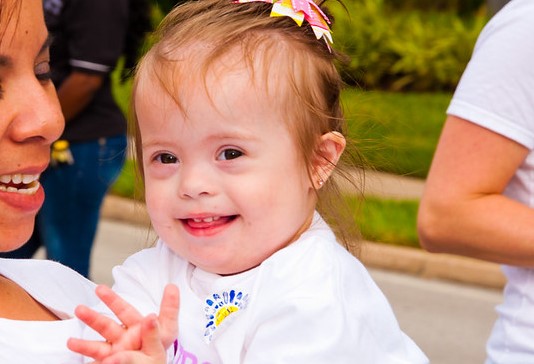
Obwohl die Gesamtzahl der Frauen aus Irland im Jahr 2019 halbiert wurde, ist die Zahl der abgetriebenen Babys mit Down-Syndrom weiter gestiegen. Im Jahr 2018 waren es 17, im Jahr 2019 waren es 27 und im letzten Jahr waren es 35. Selbst bei den britischen Frauen stiegen sie in nur einem Jahr um 6%. Diese Zahl erklärt sich zum Teil dadurch, dass mehr Frauen das pränatale Screening in Anspruch nehmen, mit dem chromosomale oder genetische Anomalien diagnostiziert werden können. Die zunehmende Unterdrückung von Babys mit Down-Syndrom ist aber auch eine Folge der Liberalisierung der Abtreibung, die zunehmend aus eugenischen Gründen vorgenommen wird, d.h. um diejenigen zu verwerfen, die als unvollkommen gelten.

Der britische Wissenschaftler Richard Dawkins behauptete vor einigen Monaten im irischen Nationalradio, dass die Abtreibung von Babys mit Down-Syndrom das Leid in der Welt verringern würde, und denjenigen, die sich über diese Worte empörten, wies er zu Recht darauf hin, dass dies im Westen eine gängige Praxis ist. Der oben erwähnte Jahresbericht der britischen Regierung zeichnet ein sehr trauriges Bild der Situation. Immer mehr britische Frauen lassen abtreiben und tun dies auch immer öfter.

Eugenik ist auf dem Vormarsch und selektive Abtreibung ist auf dem Vormarsch. Diese Zahlen bestätigen, dass Versuche, typischerweise in England, Abtreibungen durch die Förderung von Verhütung und Sexualerziehung zu reduzieren, kläglich scheitern. Vielmehr ist etwas anderes erforderlich. Wir brauchen einen tiefgreifenden kulturellen Wandel und diese Zahlen, die so extrem sind, sollten das Gewissen aufrütteln und die Menschen zum Nachdenken bringen.

Northern Ireland sees a big jump in the number of abortions


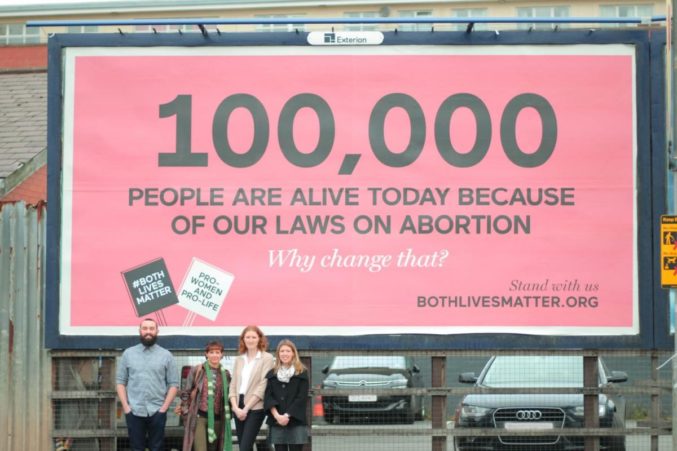
“100,000 people are alive today because of our laws on abortion, why change that?”, said a Northern Ireland-based billboard campaign in 2017. The Advertising Standard Authority found the claim was largely accurate. Now we can see how accurate the ad was, because a radical liberalisation of the North’s abortion law in March of last year has led to a big increase in the number of terminations there.

The previous, largely pro-life law was overturned by Westminster. From March 2020 until the beginning of June, the Department of Health received 1,624 notifications of abortions. This is a huge increase.

The abortion landscape in the North has changed tremendously over the last few years.

In 2016, 724 women from Northern Ireland had an abortion in England. But in June 2017, the British Government announced that it would fund abortions for women ordinarily resident in Northern Ireland and there has been a significant growth since the funding announcement: there were 919 cases in 2017 and 1,053 in 2018.

In 2019, for the first time abortion was offered in the Republic and 67 women from Northern Ireland availed of it while 1,014 went to England. The total for 2019 was 1,081.

As the North’s mainly pro-life law was then suppressed, the numbers took a massive jump.

The latest figures (1,624) from the Department of Health refer to the March 2020 – May 2021 period. If we take into consideration that it covers 14 months, it is the equivalent of 116 average per month or 1,392 per year. A clear surge when compared to the past. This figure refers only to women who has abortions in the North. You need to add in those who went either to England or to the South for terminations.

Last year, 371 went to England and 36 to the Republic. This comes to 407. Adding that to 1,392 or so who had abortions in the North in the first 12 months of the operation of the new law, we arrive at a total of about 1,800. This represents a 66.5% increase in one year. This is the dramatic effect of the liberalisation.

In 2016, abortions amounts to 3pc of live births in Northern Ireland. In 2020, the figure was 8.6pc. There were more abortions and fewer births.

Even if we take into consideration that a number of abortions were not recorded, as they involved the use of illegal pills, it is implausible to deny that with liberalisation the rates went up.

We don’t have demographic details from the Department of Health of Northern Ireland, but the England and Wales report tells us that 89% of women who travelled there were single (50.8% single with partner). 15.1% of them had an abortion before, and 54.4% had given birth before.  40.3% identified as White British and 45.3% as White Irish. The official report of the Republic has no demographic details.

That billboard campaign was right. Thousands of lives were saved before Westminster imposed an extremely liberal abortion last year and, if the trend continues, many thousands more will die.

The 8th amendment also saved many lives.

mercoledì, luglio 07, 2021

Angleterre et Pays de Galles, avortements record

Les avortements en Angleterre continuent de croître, atteignant un nombre record en 2020. Le rapport annuel présenté ces derniers jours par le gouvernement britannique fournit des données qui font froid dans le dos.

Car malgré le verrouillage, 209 917 femmes en Angleterre et au Pays de Galles ont avorté l’année dernière. Il s’agit du chiffre le plus élevé depuis que le Royaume-Uni a libéralisé l’avortement en 1967. Ce rapport montre également le taux d’avortement le plus élevé, 18,2, calculé pour mille femmes en âge de procréer. Le rapport ne couvre pas l’Écosse et l’Irlande du Nord, mais les chiffres écossais pour 2020 sont similaires à ceux de l’Angleterre. En fait, le taux d’avortement le plus élevé jamais enregistré l’a été là aussi.

Il convient également de préciser que les chiffres ne se réfèrent pas au nombre d’enfants avortés, mais au nombre de femmes ayant subi un avortement et que, par conséquent, étant donné que certaines d’entre elles portaient plus d’un enfant, le nombre de fœtus avortés est encore plus élevé.

Sur le plan démographique, 81 % des femmes qui ont avorté en Angleterre et au Pays de Galles en 2020 sont célibataires, une proportion qui n’a pas changé au cours de la dernière décennie. 51% d’entre elles sont célibataires avec un partenaire.

Par ailleurs, si les avortements continuent de baisser chez les jeunes filles mineures, ils sont en hausse pour toutes les autres tranches d’âge, une tendance que l’on observe dans tous les pays occidentaux et qui s’explique par deux phénomènes : la socialisation en ligne des plus jeunes et la normalisation de l’avortement dans le reste de la population.

Aujourd’hui, les jeunes ont moins de contacts directs, ils se socialisent sur Internet et, par conséquent, il y a moins de grossesses précoces et d’avortements. D’autre part, la légalisation de l’avortement dans une grande partie de l’Occident au cours des cinquante dernières années a conduit à sa normalisation, ce qui explique que l’interruption de grossesse soit perçue par beaucoup comme une simple méthode de contrôle des naissances.

Selon le rapport cité ci-dessus, plus de la moitié des femmes de plus de 30 ans qui ont avorté en 2020 l’avaient déjà fait auparavant. Il y a dix ans, elles étaient 44 %. Les avortements répétés sont donc de plus en plus fréquents.

Cependant, 2020 a été une année exceptionnelle et le rapport du gouvernement britannique pour l’Angleterre et le Pays de Galles donne une idée claire de l’impact du CoViD-19 sur l’interruption volontaire de grossesse.

Au cours des trois premiers mois de l’année, donc avant les fermetures et les restrictions, le nombre de femmes ayant recours à l’avortement a augmenté de 4,1 % par rapport à la même période de l’année précédente. Après un fort pic en avril (+28,7% sur 2019), suite au premier verrouillage, il n’y a pas de différence substantielle les autres mois par rapport à l’année précédente (+0,1%). Au quatrième trimestre (octobre-décembre), il y a donc eu une légère baisse de 0,8%, mais si l’on compare les deux années, on constate une augmentation totale de 1,2%. En bref, les chiffres sont en augmentation et le nouveau coronavirus a un peu ralenti la croissance.

Une autre conséquence de la pandémie est la réduction des avortements sélectifs qui sont pratiqués pour réduire le nombre de fœtus en cas de grossesses multiples, ce qui se produit généralement après un cycle de fécondation assistée. Plusieurs embryons conçus artificiellement sont transférés dans l’utérus de la femme et, lorsque le nombre d’embryons implantés qui survivent est supérieur au nombre d’enfants désirés, certains d’entre eux sont sélectionnés et tués. En Angleterre, on constate une baisse de 126 cas en 2019 à 65 en 2020. Une baisse significative qui s’explique par le fait que, pendant la pandémie, de nombreux services de FIV ont fermé ou réduit leurs activités.

Les femmes étrangères se font également avorter en Angleterre et la majorité d’entre elles sont irlandaises. Bien que les chiffres aient considérablement baissé depuis que l’Irlande a déréglementé l’avortement en 2019, le rapport 2020 du gouvernement britannique recense 194 femmes vivant en Irlande qui sont allées avorter en Angleterre et au Pays de Galles. Un tiers de ces interruptions de grossesse concernent des fœtus présentant des handicaps non mortels. En Irlande, l’avortement est possible jusqu’à la douzième semaine, mais ces pathologies sont souvent diagnostiquées après le délai légal, c’est pourquoi les personnes qui veulent avorter se rendent en Angleterre ou au Pays de Galles.

Bien que le nombre total de femmes originaires d’Irlande ait diminué de moitié depuis 2019, le nombre de bébés trisomiques avortés a continué d’augmenter. Il y en avait 17 en 2018, 27 en 2019 et 35 l’année dernière. Même chez les femmes britanniques, il a augmenté de 6 % en une seule année. Cela s’explique en partie par le fait que de plus en plus de femmes ont recours au dépistage prénatal, qui permet de diagnostiquer les anomalies chromosomiques ou génétiques. Mais la croissance de la suppression des enfants trisomiques est aussi une conséquence de la libéralisation de l’avortement, qui est de plus en plus utilisé pour des raisons eugéniques, c’est-à-dire pour se débarrasser de ceux qui sont considérés comme imparfaits.

Le scientifique britannique Richard Dawkins, s’exprimant sur la radio nationale irlandaise il y a quelques mois, a soutenu que l’avortement des bébés atteints du syndrome de Down diminuerait la souffrance dans le monde et, à ceux qui étaient scandalisés par ces paroles, il avait rappelé à juste titre que c’est une pratique courante en Occident. Le rapport annuel du gouvernement britannique mentionné plus haut donne une image très triste de la situation. De plus en plus de femmes britanniques se font avorter et le font à plusieurs reprises.

L’eugénisme se développe et l’avortement sélectif se développe aussi. Ces données confirment que les tentatives, typiques de l’Angleterre, de réduire les avortements par la promotion de la contraception et de l’éducation sexuelle échouent lamentablement. Il faut plus que ça. Nous avons besoin d’un changement culturel profond et ces chiffres, si extrêmes, devraient secouer les consciences et faire réfléchir les gens.

Record-high abortion numbers in England and Wales

Abortions in England continue to rise, reaching a record-high number in 2020. The annual report recently presented by the British government provides the chilling data.

Despite the lockdown due to COVID-19, as many as 209,917 women in England and Wales had abortions last year. This is the highest figure since the UK liberalized abortion in 1967. It also constitutes the highest abortion rate: 18.2 abortions per 1,000 women of childbearing age. While the report does not include Scotland and Northern Ireland, the Scottish figures for 2020 are similar to those in England. In fact, Scotland also recorded the highest abortion rate ever.

It should also be pointed out that the figures do not refer to the number of aborted children, but to the number of women who have had abortions. Therefore, since some women were pregnant with more than one child, the number of aborted fetuses is even higher.

From a demographic standpoint, 81% of women who had abortions in England and Wales in 2020 were single; a proportion which has remained unchanged over the last decade. As many as 51% of them are single with partners.

Moreover, while abortions continue to decline among underage girls, they are on the rise for all other age groups. It’s a trend that can be observed in all Western countries and explained by two phenomena: online socialization of the young and the normalization of abortion in the rest of the population.

Nowadays, young people have less actual, live contact. They mostly socialize on the internet and as a result, there are fewer underage pregnancies and abortions. On the other hand, the legalization of abortion in much of the West over the past fifty years has led to the normalization of this procedure, which is why the termination of pregnancy is perceived by many simply as a method of birth control.

According to the report cited above, more than half of women over 30 who aborted their babies in 2020, had already had abortions in the past. Ten years ago this figure was 44%. This means that repeat abortions are increasingly common.

However, 2020 was an exceptional year and the UK Government’s report for England and Wales gives a clear idea of the impact of COVID-19 on the voluntary termination of pregnancy.

In the first three months of the year (before lockdowns and restrictions) the number of women having abortions was up 4.1% relative to the same period the previous year. After a sharp spike in April (+28.7% from 2019) following the first lockdown, there was no substantial difference in the other months compared to the previous year (+0.1%). In the fourth quarter, (October–December) there was a slight drop of 0.8%. But if we compare the two years, there was in fact a total increase of 1.2%. In short, the numbers are growing while the fallout from the novel coronavirus has slowed the growth just a little.

Another consequence of the pandemic is the decline in selective abortions that are carried out to reduce the number of fetuses in case of multiple pregnancies, which usually occurs after a cycle of assisted fertilization and is euphemistically called “selective reduction”. Several artificially conceived embryos are transferred into the woman’s uterus and when the number of implanted embryos that survive is greater than the number of desired children, some of the babies are selected and removed (i.e. killed). In England, there has been a drop in the number of such cases from 126 in 2019 to 65 in 2020. This is a significant decrease, which can be explained by the fact that, during the pandemic, many IVF services were forced to close or reduce their activities.

Women from abroad also have abortions in England, and the majority of these are Irish. Although the numbers have dropped significantly since Ireland decriminalized abortion in 2019, the UK government’s 2020 report records 194 women living in Ireland among those who had abortions in England and Wales. One third of these terminations involve fetuses with non-fatal disabilities. In Ireland, abortion is available up to week 12, but these conditions are often diagnosed after this legal deadline, which is why women who want an abortion still go to England or Wales.

Although the total number of Irish women coming to England for abortion has halved since 2019, the number of aborted babies with Down’s syndrome has continued to rise. There were 17 of such abortions in 2018, 27 in 2019 and 35 last year. Even among British women they rose by 6% in a single year. This is partly explained by the fact that more and more women are making use of prenatal screening, which can diagnose chromosomal or genetic abnormalities. But the rise in the suppression of children with Down’s syndrome is also a consequence of the liberalization of abortion, which is increasingly used for eugenic reasons–that is, to eliminate those human beings who are considered imperfect.

British atheist Richard Dawkins, speaking on Irish national radio a few months ago, argued that aborting babies with Down’s syndrome would decrease suffering in the world. As for those who were scandalized by these words, he correctly reminded them that this is a common practice in the West. The aforementioned annual report of the British Government gives a very sad picture of the situation. More and more British women are having abortions, and doing so repeatedly.

Eugenics is on the rise, and so is selective abortion. These data confirm that attempts–typical in England–to decrease abortions through the promotion of contraception and sex education have failed miserably. It takes much more than that. We need a profound cultural change, and these extreme numbers should shake consciences and make people think.

sabato, luglio 03, 2021

Inghilterra e Galles, aborti record


In Inghilterra gli aborti continuano a crescere, raggiungendo nel 2020 un numero record. Il rapporto annuale presentato nei giorni scorsi dal governo britannico fornisce dati agghiaccianti.

Perché, nonostante il lockdown, l’anno scorso sono state 209.917 le donne che in Inghilterra e in Galles hanno abortito. È la cifra più alta, da quando il Regno Unito ha liberalizzato l’aborto nel 1967. Configura anche il tasso più alto tasso di abortività, 18,2, calcolato su mille donne in età fertile. Il rapporto non contempla Scozia e Irlanda del Nord, ma i dati scozzesi per il 2020 sono simili a quelli inglesi. Anche lì è stato infatti registrato il più alto tasso di abortività di sempre.

C’è inoltre da specificare che i dati si riferiscono non al numero dei bambini abortiti, ma di donne che hanno abortito e quindi, poiché alcune di loro portavano in grembo più di un figlio, il numero di feti abortiti è ancora maggiore.

Dal punto di vista demografico, l’81% delle donne che hanno abortito in Inghilterra e in Galles nel 2020 sono single, una proporzione, questa, rimasta invariata nell’ultimo decennio. Il 51% di loro sono single con partner.

Inoltre, se gli aborti continuano a diminuire fra le minorenni, salgono invece per tutte le altre fasce di età, tendenza, questa, che si registra in tutti i Paesi occidentali e che si spiega tenendo conto di due fenomeni: la socializzazione online delle più giovani e la normalizzazione dell’aborto nel resto della popolazione.

Oggigiorno i ragazzi hanno meno contatti dal vivo, socializzano su Internet e, di conseguenza, diminuiscono le gravidanze e gli aborti fra le minorenni. D’altra parte la legalizzazione dell’aborto avvenuta in gran parte dell’Occidente negli ultimi cinquanta anni ha portato a una sua normalizzazione, motivo per cui l’interruzione di gravidanza viene percepita da molti semplicemente come un metodo di controllo delle nascite.

Secondo il rapporto citato, più della metà delle donne sopra i 30 anni che hanno abortito nel 2020 l’aveva già fatto in passato. Dieci anni fa erano il 44%. Quindi gli aborti ripetuti sono sempre più comuni.

Il 2020 è stato peraltro un anno eccezionale e il rapporto del governo britannico per Inghilterra e Galles dà un’idea netta dell’impatto esercitato dal CoViD-19 sull’interruzione volontaria della gravidanza.

Nei primi tre mesi dell’anno, quindi prima di chiusure e restrizioni, il numero di donne che hanno abortito è salito del 4,1% rispetto allo stesso periodo dell’anno precedente. Dopo un brusco picco in aprile (+28,7% rispetto al 2019), successivo al primo lockdown, negli altri mesi non vi è stata differenza sostanziale rispetto all’anno precedente (+0,1%). Nel quarto trimestre (ottobre-dicembre) si è avvertito dunque un leggero calo dello 0,8%, ma, se si confrontano i due anni, si registra un incremento totale dell’1,2%. Insomma, i numeri crescono e il nuovo coronavirus ne ha rallentato la crescita di poco.

Altra conseguenza della pandemia è la riduzione degli aborti selettivi che vengono effettuati per ridurre il numero di feti in caso di gravidanze multiple, cosa che, solitamente, avviene dopo un ciclo di fecondazione assistita. Diversi embrioni concepiti artificialmente vengono trasferiti nell’utero della donna e, quando il numero degli embrioni impiantati che sopravvivono è superiore a quello dei figli desiderati, alcuni di questi vengono selezionati e uccisi. In Inghilterra c’è stato un calo da 126 casi nel 2019 a 65 nel 2020. Una diminuzione significativa, spiegabile con il fatto che, durante la pandemia, molti servizi di fecondazione assistita hanno chiuso o ridotto le attività.

In Inghilterra abortiscono anche donne provenienti dall’estero e la maggioranza di queste sono irlandesi. Anche se i numeri sono scesi sensibilmente da quando, nel 2019, l’Irlanda ha liberalizzato l’aborto, il rapporto del governo britannico per il 2020 registra 194 donne residenti in Irlanda fra quelle che hanno abortito in Inghilterra e in Galles. Un terzo di queste interruzioni di gravidanza riguarda feti con disabilità non fatale. In Irlanda è del resto possibile accedere a questo genere di aborto fino alla dodicesima settimana, ma tali condizioni vengono spesso diagnosticate dopo il termine di legge, motivo per cui chi vuole abortire si reca in Inghilterra o in Galles.

Nonostante il numero totale di donne provenienti dall’Irlanda sia dimezzato rispetto al 2019, il numero di bimbi affetti da sindrome di Down abortiti ha continuato a salire. Erano 17 nel 2018, sono stati 27 nel 2019 e sono stati 35 l’anno scorso. Anche tra le donne inglesi sono cresciuti del 6% in un solo anno. Questo dato si spiega in parte con il fatto che sempre più donne si avvalgono dello screening prenatale, in grado di diagnosticare anomalie cromosomiche o genetiche. Ma la crescita nella soppressione di bimbi con sindrome di Down è anche una conseguenza della liberalizzazione dell’aborto, che viene sempre più usato per motivi eugenici, ossia per scartare chi viene considerato imperfetto.

Lo scienziato britannico Richard Dawkins, parlando alla radio nazionale irlandese qualche mese fa, aveva sostenuto che abortire i bimbi con sindrome di Down diminuirebbe la sofferenza nel mondo e, a chi si era scandalizzato per queste parole, egli aveva correttamente ricordato che si tratta di una pratica che in Occidente è comune. Il citato rapporto annuale del governo britannico fornisce un quadro tristissimo della situazione. Sempre più donne inglesi abortiscono e lo fanno sempre più ripetutamente.

Cresce l’eugenetica e cresce l’aborto selettivo. Questi dati confermano che i tentativi, tipici in Inghilterra, di diminuire gli aborti attraverso la promozione di contraccezione ed educazione sessuale falliscono miseramente. Ci vuole infatti altro. Serve un cambiamento culturale profondo e questi numeri, così estremi, dovrebbero scuotere le coscienze e far pensare.

martedì, giugno 29, 2021

Ireland’s abortion rate increased last year


A total of 6,577 women had an abortion in Ireland in 2020, according to a report presented today by the Department of Health. That is slightly down on the figure of 6,666 in 2019, but the ratio (number of abortions per live births) is up, because fewer women became pregnant last year, so it is very bad news.

As 194 women with an Irish address also had an abortion in England in 2020, the total recorded number for last year is 6,771.

In terms of absolute numbers there was no substantial difference (-1.3%) compared to 2019, when 6,666 women had an abortion in Ireland and 375 went England.

But if we look at the number of recorded pregnancies, in 2020 the number of them that ended in abortion was higher than the previous year.

As there were 55,959 live births in Ireland in 2020, the abortion ratio, which is calculated per 1,000 live births, is 120.9. It was 117.7 in 2019. We would have hoped that lockdown might have caused a substantial fall in both the number and rate of abortions, but that did not happen.

The abortion rate, calculated per 1,000 women aged 15-44, was 6.6 in 2020 and 6.9 in 2019.

It is interesting to understand how the lockdown influenced conceptions, abortions and births.

Between January and April 2020, 2,554 abortions were performed in Ireland. This is a 20% increase compared to the same period in 2019 (2,161).

Those babies were all conceived before the lockdown. From May to December 2020, 3,965 terminations of life were carried out, 10.6% less than the previous year.

So, the number of abortions grew until the pandemic began and then declined during the lockdown. Part of this is surely due to the fact that fewer casual and unplanned pregnancies happened during these months.

lunedì, giugno 28, 2021

All Irish MEPs vote in favour of declaring abortion a ‘right’


A new report that presents abortion as a ‘human right’ and would undermine conscientious objection was approved by the European Parliament last week. Every Irish MEP voted in favour of it. The report does not have the force of law behind it, but it is all part of an effort to shift the EU in an ever more pro-abortion direction, to make a ‘right’ to abortion a ‘European value’.

The Matić report is a long document covering sexual health and so-called “reproductive rights”, which include abortion, sterilisation, prenatal screening, etc. It is named after the Croatian MEP Predrag Fred Matić, from the Socialists and Democrats Group, who acted as a Rapporteur.

The report falsely presents abortion as a right but no international treaty recognises a “right to abortion” and the European Court of Human Rights has held that a woman’s right to privacy does not imply a right to abortion.

The resolution approved by the European Parliament last week calls for the removal of all barriers to access abortion, and these barriers would include conscientious objection of healthcare professionals.

It deceitfully claims that the denial of abortion on grounds of religion or conscience “endangers women’s lives and rights” and it also “hinders access to prenatal screening”. We know that prenatal screening is often used to select and abort children carrying a disability, such as Down Syndrome.

The typical language and concepts of the most radical activists appears in the Matić report. Conscientious objection, which is recognised and protected by the Charter of Fundamental Rights of the European Union, is presented in the Matić report as “refusal of medical care”.

Another example of its radical ideology is in the use of ambiguous expressions such as “pregnant people” or “pregnant person”, rather than “pregnant women”. This attempt to employ so-called “inclusive language” as a matter of fact erases women and their absolutely unique role in bringing a child into the world.

Critics of this extremely ideological document have highlighted that it is an affront the sovereignty of the EU Member States. The fields of health and education belong to the Member States and this document overreaches the competences of the European Union.

Several European bodies have acknowledged that the power to legislate on abortion and health matters lie with the different States. The European Union cannot impose the “right to abortion” on its members and this is particularly significant as Malta, for instance, is an EU state and has resisted international pressure to liberalise its abortion laws so far.

The Matić report has no binding legal value but such resolutions are often used by member states to introduce and legitimise changes in their national legislation.  They are also used by activists to strengthen their positions in court cases or in political campaigns. While lacking legal authority, such documents can still have a profound impact in national and international parliaments and courts. A similar report was rejected in 2013.

This time it has found support from all the left parties in the EU parliament, but also from significant sectors of the centrist European Popular Party, of which Fine Gael is a member, and from the Renew group, which includes Fianna Fail.

Bishop Kevin Doran has commented on Twitter: “Very disappointing to see the every Irish MEP voted today against the right to freedom of conscience which is recognised in the Universal Declaration of Human Rights and in favour of the non-existent human right to abortion. God bless our healthcare professionals.”

On the same day when the Matić report was approved, an attempt to discredit pro-life organisations was rejected. To mark the 25th anniversary of the International Conference on Population and Development in Nairobi, a resolution was approved by the EU parliament.

An amendment to this resolution, presented by the Left Group but rejected by the parliament, expressed concern that important international pro-life organisations were included in the EU transparency register and “authorised to work openly with public institutions for the decline of women’s rights, and sexual and reproductive health rights”.

martedì, giugno 22, 2021

Catholic pupils now being bullied in schools


Children who are practising Catholics are being targeted for bullying in school, according to the director of Dublin City University’s Anti-Bullying Centre. They are now a minority to be protected.

Professor James O’Higgins Norman was speaking last week at the Oireachtas Committee on Education, about the topic of school bullying and the impact on mental health.

Addressing the issue of Catholic children being bullied in mainly Catholic schools, he said: “We are in a particular place in our society now, we have become pluralist, things have changed, and it is no surprise that people who practise religion, and maybe practise the Catholic religion, are increasingly in the minority, especially young children and teenagers in school. So, one of the studies we have done recently has shown a concern among religion teachers about what they are observing among students who are practicing Catholics and are being targeted for that, more than a concern about kids who are not practicing a religion.” 

Professor O’Higgins Norman was referring to a study, to be published at the end of the summer, and authored by two members of the DCU’s Anty-Bullying Centre: Amalee Meehan and Derek Laffan.

The research, entitled “Inclusive Religious Education: The Voices of Religious Education Teachers in Post-Primary Schools in Ireland: Identity, bullying, and inclusion”, focuses on students aged from 11 to 16 and found that religion teachers have concerns about those who practice religion, as they would be targeted for bullying more than those who do not practice.

“15 or 20 years ago we were talking about homophobic bullying and that was a focus of bullying in school, it was a concern for anyone, and now today here we are talking about the possibility that children who practice a religion might be the ones who have been targeted for bullying”, Professor O’Higgins Norman told the Oireachtas Committee.

He explained that the outcome of the study agrees with similar research conducted internationally. This research suggests that when a particular worldview loses its dominant position, those who are still following that worldview would be seen as old-fashioned, as out of the mainstream culture and they would targeted more by others. This is happening in Ireland with regard to the Catholic religion, according to Prof. O’Higgins Norman. Those who are still practising, a minority, stand out and are bullied for being different.

During the hearing, Senator Ronan Mullen asked Prof. O’Higgins Norman whether a hegemonic media culture hostile to religion could be part of the problem.

Prof. O’Higgins Norman agreed with this suggestion. He said: “The predominant peer culture among children and adolescents in schools is influenced by their family, their parents, wider media so on, and in our current context, those who are going against the grain or standing out, they will of course then be more likely to be targets for bullying, so well if that’s for religious reasons or for other reasons.”

DCU’s Anti-Bullying Centre recommended raising awareness “of the vulnerability of students based on identity, for example Catholics, LGBTQ+, Ethnicity, etc.” This is surely the first time that practising Catholics are considered a minority to be protected. A sign of how much the mainstream culture has changed in Ireland, and not for the better.

lunedì, giugno 14, 2021

More Irish opting for eugenic abortion


The number of abortions in England and Wales hit a record high last year, and the number of Irish women travelling there to abort unborn children with Down Syndrome and other abnormalities has also increased, in line with growing acceptance of eugenics across the Western world.

In 2020, 209,917 women had an abortion in England and Wales. This was despite the extended lockdown. This is the highest number since the Abortion Act was introduced and it also represents the highest rate ever (18.2 per 1,000 women of fertile age).  Scotland also registered the highest historical rate last year.

The number of aborted babies is even higher than those figures as some women were expecting more than one baby.

194 women listed as resident in Ireland had an abortion in England in 2020, a 48pc drop from 2019, when Ireland’s liberal abortion law went into operation. Many went to England because the foetus had non-fatal disabilities and, after 12 weeks of gestation, it cannot be legally killed in Ireland for this reason. Many diagnoses of disabilities are made after 12 weeks.

In spite of the decline in numbers travelling to England, the number of Irish babies with Down Syndrome aborted there went from 17 in 2018, to 27 in 2019 reaching 35 last year.  Other conditions included three babies with spina bifida, one with cleft lip and palate.

The IFPA, together with other campaigners, want abortion for non-fatal abnormalities to happen in Ireland too.

The increasing number of Irish women opting to abort children with Down Syndrome could be due to more women availing of screening programmes and also greater social acceptability for what amounts to eugenics.

The number of English women opting to abort babies with Down Syndrome also increased to 693, a rise of 6pc from 2019, although this may be an underestimate.

The abortion rate in England and Wales continues to decline for girls age under 18, going from 16.5 to 6.9 per 1,000 between 2010 and 2020. This is a general trend in Western countries. But the rate for all other age groups has increased in the last 10 years.

In 2020, more than half of women over 30 undergoing abortion had one or more terminations before. Repeat abortions are now more and more common in the UK.

81pc of women who had terminations in England and Wales in 2020 were single. 51pc were single with a partner. This proportion has remained fairly constant in the last decade.

The report gives an idea of how the Covid pandemic impacted on the phenomenon of abortion.

In the first three months of 2020, before lockdown, the number of women undergoing abortion in England and Wales rose by 4.1pc compared to the first quarter of the previous year. After a spike in April (+28.7pc), just after lockdown was imposed, the rest of the year saw no substantial difference when compared to the previous one.

With regard to the 194 Irish women who travelled to England for abortions in 2020, 101 did so in the first half of the year and 93 in the second half when it was much more difficult to travel.

Another result of Covid restrictions can be seen in selective terminations, which is when only one child in a multiple pregnancy is killed. In England they decreased from 126 in 2019 to 65 in 2020. They generally happen after an IVF treatment, when multiple embryos are produced artificially, then moved into the womb and eventually selected if the couple do not want as many as have survived. This decline in 2020 is due to fewer IVF treatments happening during the pandemic.

mercoledì, giugno 09, 2021

Why Europe needs a common day of rest


Once upon a time, not so long ago, Sunday was considered a day of rest. But now, like every other day of the week, it has basically been captured by the demands of commerce. So there is no longer a communal day of rest in a lot of countries. This needs to change. There needs to be a European weekly common day of rest, together with the right to disconnect from work, according to a campaign group called the European Sunday Alliance.

The group held an online conference last week, which saw the participation of MEPs from different European parties, and also a representative of the European Commission.

A healthy balance between private life and working time is essential for families, particularly during these difficult times, says the Alliance.

They argue that a work-free Sunday has become even more relevant during the pandemic, when most people work remotely. With more time spent in the house working hours have also extended and now it is more and more difficult to separate work duties from family time. Many employers expect job commitment during the evenings and even the weekends.

recent report of the Committee On Employment and Social Affairs of the European Parliament notes that “digitalisation has brought many advantages to employers and workers, but also disadvantages, because it can intensify work, extend working hours and increase the unpredictability of working hours, blurring the boundaries between work and private life”

All the politicians taking part agreed with the need to have a common weekly day of rest but had different opinions though on what is the best policy to implement this.

In January, the European Parliament called on the European Commission “to propose a law that enables those who work digitally to disconnect outside their working hours. It should also establish minimum requirements for remote working and clarity working conditions, hours and rest periods”.

A right to disconnect means the possibility to separate, on a regular basis, family or leisure time from working hours. This is beneficial not only to the workers but, ultimately, also to society at large. During a day of rest we can spend more time with others, engaging in social activities, volunteering, sport, faith-related activities, travels, holidays, etc.

In most  European countries, Sunday is traditionally the day of rest from work. This is the heritage of the Christian tradition. Precisely 1,700 years ago, the Emperor Constantine decreed Sunday to be a day of rest protected by law. Nonetheless, many countries, including Ireland, allow businesses to run seven days a week. This has a profound impact on workers and their families.

The European Sunday Alliance is a network of trade unions, religious bodies and civil society organisations that want to raise awareness of the importance and value of a weekly day free from work. They also, ask for legislation at EU and Member States levels to be “more protective of the health, safety, dignity of everyone and should more attentively promote the reconciliation of professional and family life”.

Notably, there were no Irish speakers. This is simply not an issue in Ireland. It should be.