sabato, novembre 27, 2021

Vuoi abortire? Aspetta un momento…


Il periodo di riflessione che le leggi di alcuni Paesi impongono alle mamme prima di abortire funziona in un numero significativo di casi. La conferma arriva dall’Irlanda. Secondo i dati diffusi dal ministero della Sanità, circa il 20% di donne che inizialmente avevano fatto richiesta per abortire ha poi cambiato idea.

La legge irlandese, entrata in vigore nel gennaio 2019, prevede che tra la prima consultazione e l’eventuale intervento chirurgico di soppressione del bambino nel grembo della propria mamma debba intercorrere un periodo appunto di riflessione di almeno tre giorni. Questo qualora si abbia intenzione di praticare l’aborto nel primo trimestre di vita del bimbo nell’utero materno, cioè quando la legge consente l’aborto per un motivo qualsiasi. Infatti, per gli aborti previsti nel secondo e nel terzo trimestre, cioè quelli che vengono praticati in caso di diagnosticata malformazione del feto o di pericolo per la salute della madre, la legge non richiede alcun periodo di riflessione.

Rispondendo a una interrogazione presentata dal deputato Carol Nolan, molto attiva sul fronte pro life, il Ministero irlandese ha rivelato che nel Paese lo scorso anno sono stati praticati 6.455 aborti nel primo trimestre di vita del bimbo a fronte però di un numero di donne che ne aveva fatto richiesta molto più alto: 8.057. Quindi oltre 1.600 mamme hanno desistito e dato alla luce i propri figli. Si tratta quasi del 20%, un dato significativo che mostra l’efficacia del periodo di riflessione imposto dalla legge in vigore.

Certo, è possibile che alcune di quella mamme abbiano abortito all’estero, dopo una prima visita in Irlanda, ma qualora fosse, si tratterebbe di una percentuale molto piccola, viste le restrizioni in vigore lo scorso anno a causa del CoViD-19, per quanto riguarda sia i viaggi sia l’accesso ai servizi sanitari. D’altronde l’Irlanda, proprio dall’inizio della pandemia, consente la consultazione a distanza con il medico e l’aborto nel primo trimestre di vita del piccolo viene effettuato nella maggioranza dei casi non chirurgicamente in ospedale o in clinica, bensì mediante la pillola abortiva RU486. Non vi sono cioè ostacoli veri per chi voglia abortire, anche a casa, tranne quel periodo di riflessione.

I dati diffusi dal ministero della Sanità sono importanti giacché fra qualche settimana il parlamento irlandese metterà in discussione l’attuale legislazione sull’aborto, in vista di possibili, probabili cambiamenti. Ogni tre anni, infatti, la legislazione viene revisionata e tra le disposizioni che gli attivisti pro choice vorrebbero abrogare c’è proprio quella riguardante detto periodo obbligatorio di riflessione di tre giorni, che, a loro dire, sarebbe un inciampo oneroso alla scelta della donna.

Ma i dati mostrano appunto il contrario. La pausa serve a ponderare e, a volte, a riconsiderare la scelta di abortire, proprio perché tale scelta è (ovviamente) irreversibilmente letale. Dato che diverse donne prendono in considerazione l’interruzione della gravidanza nutrendo comunque dubbi forti, la pausa e la riflessione le aiutano a prendere coraggio per scegliere alla fine la vita piuttosto che la morte.

D’altronde un periodo di pausa così è previsto dalle legislazioni di molti Paesi. In Italia, per esempio, la pausa è di sette giorni, più del doppio che in Irlanda. In Belgio è di sei e cinque nei Paesi Bassi, mentre tre in Spagna e Portogallo. Non esiste invece nel Regno Unito, anche se un sondaggio del 2017 mostra che il 79% della popolazione sarebbe favorevole a istituirlo per un periodo di cinque giorni.

Chi sa quante vite vengono stroncate per una decisione affrettata e quante madri, poi pentite, piangono i propri figli abortiti. Se, come dimostrano i dati irlandesi, un quinto delle donne cambia intenzione dopo una prima visita, è anche grazie a questo periodo di riflessione. Abrogarlo significherebbe togliere un’opportunità di scelta a tutti, anche a chi considera l’aborto un diritto.

Proprio il mondo femminile che considera l’aborto un diritto (che non è la totalità del mondo femminile, che non è forse nemmeno la sua maggioranza) afferma che nessuno è “a favore dell’aborto”, dunque che distinguere fra pro life e pro aborto sarebbe capzioso. Tant’è che il mondo filoabortista si autodefinisce pro choice (come se invece chi è pro life non scegliesse la vita). Quello stesso mondo aggiunge pure che tutti, compreso chi considera l’aborto un diritto, è di per sé a favore della vita, non vuole la morte e ritiene dunque l’aborto una sorta di extrema ratio. Bene. Allora dovrebbe essere per primo il mondo femminile che considera l’aborto un diritto a volere a tutti costi una pausa di riflessione per le mamme che hanno intenzione di agire in modo irreversibilmente letale per il bimbo che portano in grembo. Una pausa quanto più lunga possibile.

giovedì, novembre 25, 2021

Odysee

Il mio canale su Odysee, costantemente aggiornato:  https://odysee.com/@angelo.bottone:9


mercoledì, novembre 24, 2021

martedì, novembre 23, 2021

Hate crimes against Christians on the rise in Europe


Hate crimes against Christians have risen dramatically in recent years, according to a newly published report from the Organization for Security and Cooperation in Europe (OCSE). These include violent attacks on individual Christians, on churches and on holy objects.

To mark “International Day for Tolerance”, last Tuesday the OCSE presented its annual report on hate crimes in Europe. (By ‘hate crime’ is meant a criminal offence motivated by bias against a particular group.)

Each year the OCSE collects data from 42 participant States, 136 civil society groups and also from international organisations.

The recent 2020 report documented 7,181 hate incidents. Christians were the victims of more than 980 of those violent and threatening incidents. This represent a significant increase compared to the previous year, when 595 cases against Christians were reported.

Last year, 56 known cases were violent attacks against people, 55 involved threats and 871 of those incidents were attacks against property, include arson attacks against churches, desecration, robbery of holy communion hosts, vandalisation, etc.

Three churches were vandalised in Ireland last year.

The highest number of reported cases (250) happened in Poland. Churches and groups of faithful have been attacked for their pro-life views, particularly after the government and the Polish Constitutional Court took put restrictions to the current abortion laws.

In France, according to official police numbers, almost 25pc of all hate crimes are against Christians. In the last few years, there have been a growing number of arsons against churches. In October 2020, three people were fatally stabbed in the Basilica of Notre Dame of Nice.

In Spain, four churches and a monastery were vandalised on International Women’s Day by feminist activists. Masses were also interrupted on the same day.

The OCSE list is not comprehensive as only 11 States reported on hate crimes against Christians, so their possible number is much higher, aside from unreported incidents.

“Medially and politically, hatred of Christians is hardly noticed as an increasingly obvious social problem. The OSCE report reflects only part of this trend, which we have been documenting for years, and yet it is a loud wake-up call against indifference and fashionable Christian-bashing,” said Madeleine Enzlberger, head of “Observatory of Intolerance and Discrimination against Christians”.

Attacks on Christians is a world-wide phenomenon. Eighty percent of all acts of religious persecution are committed against Christians, according to Aid to the Church in Need, an organisation assisting Christian communities that face hostility and discrimination.

From today until November 26th, Aid to the Church in Need in Ireland and elsewhere will celebrate the “Week of Witness for suffering and persecuted Christians”. This initiative will involve talks and exhibition to highlight the persecution of Christian believers. On Wednesday, prayer vigils will be held around Ireland in spiritual union with those who suffer because of their faith in Christ.

You can find more details here: https://www.acnireland.org/witness

giovedì, novembre 18, 2021

L’Azerbaigian invade l’Armenia. «Come può l’Occidente restare a guardare?»

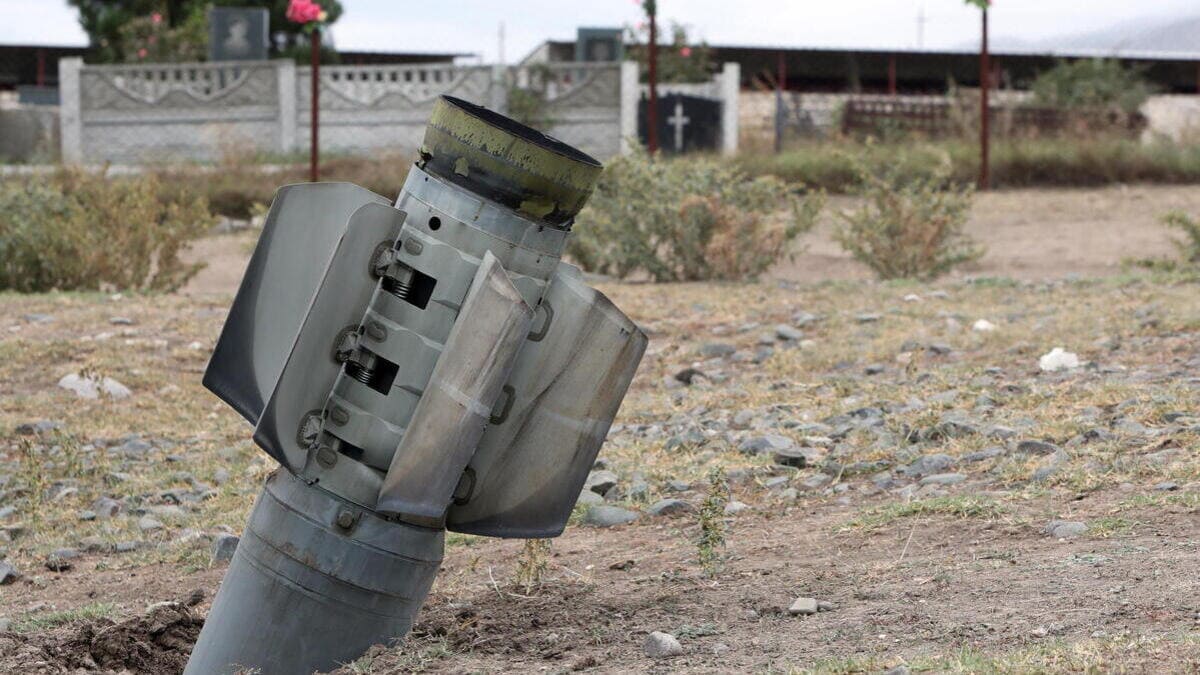
 Un missile lanciato dall'Azerbaigian colpisce l'Armenia durante la guerra del 2020

«L’anno scorso la comunità internazionale ha ignorato l’aggressione dell’Azerbaigian e della Turchia nel Nagorno-Karabakh contro l’Artsakh ed ecco il risultato: ora anche l’Armenia è in pericolo». Così il ministro degli Esteri della Repubblica dell’Artsakh, Davit Babayan, commenta a Tempi il violento attacco di martedì da parte dell’esercito azero contro le postazioni armene, che ha causato circa 40 morti.

L’invasione azera dell’Armenia

Martedì 16 novembre, secondo quanto dichiarato dal premier dell’Armenia Nikol Pashinian, l’esercito azero ha consolidato l’occupazione di 41 chilometri quadrati di territorio armeno, invaso a partire dal 12 maggio nei pressi del corridoio di Lachin consolidando le proprie posizioni 41 chilometri quadrati di territorio. Almeno 17 soldati dell’esercito azero sono morti nell’aggressione, mentre Erevan ha dichiarato che 13 soldati armeni sono stati rapiti e altri 24 sono scomparsi. Eduard Aghajanyan, a capo della commissione parlamentare per le relazioni internazionali, ha parlato invece di 15 morti. Grazie alla mediazione della Russia, nella serata di martedì si è arrivati a un cessate il fuoco.

A un anno dalla fine della guerra del Nagorno-Karabakh tra Armenia e Azerbaigian, la terza della sua storia, Baku lancia dunque una nuova offensiva. A differenza dei 44 giorni di guerra che nel 2020 hanno permesso al regime di Ilham Aliyev, grazie al fondamentale sostegno della Turchia di Recep Tayyip Erdogan, di conquistare i tre quarti del Nagorno-Karabakh, strappandoli alla Repubblica dell’Artsakh, non riconosciuta a livello internazionale, questa volta è l’Armenia stessa a finire nel mirino.

Continua qui.

martedì, novembre 16, 2021

As expected, UN pressures us to liberalise our abortion law even more


  • Ireland appeared before the UN Human Rights Council last week
     
  • As expected, several countries asked us to liberalise our abortion law even more
     
  • Even totalitarian North Korea and China lectured us on our human rights record
As we mentioned in a previous e-letter, Ireland was due to appear before the UN Human Right Council. That took place last Wednesday and, as we anticipated, pressure was exerted on Ireland to further liberalise its already very permissive abortion law. Pressure was applied to push us in a more socially liberal direction in other areas as well.
 
The Irish delegation was headed by the Minister for Children, Roderic O’Gorman. After having considered the national report submitted by Minister O’Gorman, each country representative on the Council presented recommendations, for a total of 260. (They can be found here)

We will consider some of them under a number of headings.

 Abortion

The delegates from Austria, Canada, Denmark, the Netherlands, and Switzerland all urged us to use the upcoming three-year review of our abortion law to make it even easier to obtain a termination.
 
For example, the Austrian representative said: “Ensure that the three-year review of the Health Act 2018 on the Regulation of Termination of Pregnancy is comprehensive and focused on providing a human rights-compliant framework for abortion, including by identifying and eliminating barriers impacting marginalized groups”.
 
The Danish delegate told us: “Ensure that the three-year review of the Termination of Pregnancy Act focuses on ways to expand access to voluntary termination of pregnancy, both in law and in practice”.
 
The Netherlands said: “Build on the steps undertaken in the area of sexual and reproductive rights by removing the remaining barriers to accessing safe and legal abortion services and making it practically available to all”.
 
Bizarrely, the Iceland representative asked us to, “Expand access to abortion and repeal the Protection of Life During Pregnancy Act”, as it if this has not already happened in 2018.

 Schools

Surprisingly, no recommendation made reference to denominational schools or to the role of religion in education. The recommendations about schools were quite broad in their scope.
 
“Ensure fair access for all children to quality education” (Qatar);

“Prioritize equitable access to quality education opportunities at all levels” (Botswana);

“Consider introducing legislative guarantee of free primary and secondary education” (Ukraine);

“Improve the system providing children and their parents a real opportunity to choose from among religious, multi-denominational or non-denominational types of schooling and curricula.” (Czechia).
 
Gender
 
Germany and Norway recommended we review Article 40 of the Constitution, which covers fundamental rights, and Article 41, which deals with the issue of women in the home, to make them gender neutral. 

Israel asked to prohibit “conversion therapies”. Cuba and Cyprus wanted more efforts to reduce the gender pay gap. Israel also asked to prohibit “conversion therapies”. Only Panama mentioned sex education while Chile and Iceland raised the issue of intersex children, asking for a ‘rights-based’ care protocol.
 
Family
 
Only Egypt mentioned the natural family as “fundamental unit of society”. Paraguay asked for “additional support to families in situation of homelessness”.
 
Some of the recommendations to Ireland seemed to be totally spurious, particularly when we consider the countries that were presenting them. For example, Iran was concerned about “worrying reports on chronic sexual abuse against underage girls in schools” in Ireland. North Korea asked Ireland to “cease torture and cruel or inhuman treatment of children in places of reformatory and industrial schools operated by religion institutions.” Venezuela asked Ireland to “Provide an apology for the serious violations suffered by mixed race children in institutions or unsuitable families”. China asked us to consider the right of ethnic minorities.
  
Ireland has adopted all the recommendations, which basically means that we will take them into consideration and produce a response before the next session of the Human Right Council that will take place in February and March 2022. The Irish government has also committed to produce a voluntary ad interim report by the late 2023.

lunedì, novembre 15, 2021

The ESRI’s blind spot on marriage

New research from the Economic and Social Research Institute (ESRI) confirms that when fathers play an active role in the lives of their children, it has beneficial effects on the child. Unfortunately, the research fails to take into consideration the role marriage has in encouraging more father involvement with children. It is a big blind spot.

As the press release accompanying the report says, “children who have a good relationship with their father are happier, feel less anxious and are more engaged in physical activity”.

The paper is based on data from ‘Growing up in Ireland’, a government-funded longitudinal study that follows the lives of thousands of Irish children. The paper seeks examine ways father involvement with children can be supported through policy.

Among the findings is that highly educated, and also migrant fathers, are more likely to engage in activities with their children.

Interestingly, whether the father did or did not avail of paternal leave in the first year of a child’s life makes little difference to paternal involvement, according to the research. This is probably not very surprising. In the first year of a child’s life the mother-child bond is particularly intense. However, as the child grows, fathers have more involvement, especially when on flexible hours or work from home. This is hardly a surprise either.

In early years, the study found no significant variation in father involvement with their sons or daughters, but when the children grow older, fathers are more likely to engage in activities with their sons than with their daughters. This is probably sport-related.

Nonetheless, nine-year-old girls are more likely than boys to report getting on very well with their fathers.

Also unsurprising is that children not living with their fathers are less likely to report getting on very well with them. “The relationship was better where contact was frequent and where the mother had a better relationship with the father.”

It is disappointing that the research takes into consideration many factors, such as the education or employment status of the father, but not the role of marriage in fostering greater father involvement.

Other studies by the ERSI have highlighted that the two-parent family tends to produce better outcomes for children.

For instance, a report on adolescent behaviour presented by the ESRI in May, highlighted the “poorer behaviour across all domains for those in lone parent families or families that experienced separation during the young person’s adolescence.”

report from October 2018 found that children of separated parents are more likely than those from intact families to have problems with their health, education and emotional wellbeing.

Throughout the centuries, marriage is precisely the social institution most likely to link a father to his children and their mother. Where marriage declines, fathers are less likely to be living with and involved with their children.

It is an omission on the part of the ESRI not to mention this fact. If it cares about father involvement with children, then it should care about marriage as well. 

domenica, novembre 14, 2021