domenica, dicembre 28, 2025

L'appuntamento della carità

BADIA PRATAGLIA, agosto

Cari amici lettori, ho conosciuto il parroco di un paesino dai tetti rossi, buttati di qua e di là della strada che congiunge la Toscana alla Romagna, a pochi chilometri dal passo dei Mandrioli, uno dei più pittoreschi dell’Appennino. È l’ultimo paese del Casentino e, a ricordarlo soltanto, ti senti riconciliato con la vita. La strada cammina tra boschi di abeti, castagni, faggi, fino ai mille metri del valico, e Badia Frataglia vi respira dentro col suoi giardini dove sbocciano rose variopinte, dai toni più impensati, quasi a picco su dirupi che arieggiano il paesaggio alpino. Basta addentrarsi per pochi passi nelle abetaie, nei castagneti, nei faggeti, che ti spuntano fra i piedi fragolette minuscole da farti venire « o gulìo », come dicono sotto il Vesuvio. È insomma il paesaggio della Verna e di Camaldoli, dove San Romualdo costruì l’Eremo ineguagliabile che custodisce in urna le spoglie di Mariotto Allegri.

In questo paese c’è una grottina che riproduce quella di Massabielle, dove i villeggianti — udite! — vanno a vespro a recitare il Rosario.

Ma lasciamo andare; è proprio un pezzo di terra benedetta che fa presentire il Paradiso e fa dimenticare — come vedete — gli occhi sfavillanti del parroco, un giovinotto con una gola soprana d’alta quota, tutto passione d’apostolato, esuberante di vita e di buone intenzioni, orgoglioso, ma non tanto, della povertà del suo gregge e della sua parrocchia: non tanto perché la povertà lo inchioda ai banchi tarlati della vecchia abbazia dove sorse l’attuale chiesa, monumento nazionale: veneranda chiesa romanica, qua e là in rovina, che abbisogna di riparazioni urgenti.

Ed è un vero peccato perché Don Carlo Caporali è di quelle tempra che potrebbero seminare il bene a ventilabro alto su e giù per le vallate dove la popolazione vive da secoli lavorando il legno, unica industria locale.

Ho assistito alle prove di una « Schola cantorum » (che poi ha cantato la domenica in una magnifica Messa di Requiem) composta di giovani e meno giovani tagliaboschi appassionati di musica, diretta da uno strano tipo di maestro autodidatta, che la notte lavora nella selva al lume di fiaccole e il giorno modella anfore e pale (ne riparleremo) per dare pane alla famiglia.

Ebbene, lo credereste? Le opere parrocchiali hanno assunto tale sviluppo da consentire al parroco di fondare un asilo che — ahimè! — vive di elemosine. Quanti, quanti bimbi e bimbe mi sono sfilati dinanzi, guidati, curati dalle monache di Sant’Anna! E quanti aspettano invano di essere strappati alla strada!

Invano? No. Voi, amici, mi avete capito; voi aiuterete Don Carlo Caporali — parroco di Badia Prataglia (Arezzo) — a tenere aperto il suo asilo, vero?

L’appuntamento di questa settimana è dunque sul Passo dei Mandrioli. E badate che Don Carlo è un tipaccio che mi renderà conto di quel che farete per la sua bella parrocchia, che odora di miseria. Senza contare che quelli fra voi i quali, potendo, non faranno, un giorno dovranno render conto a Qualcuno di essere mancati all’appuntamento.

BENIGNO

3 ottobre 1948

giovedì, dicembre 25, 2025

Nostro Natale


22 dicembre 1946

lunedì, dicembre 22, 2025

Auro d’Alba, non solo Futurismo: il suo contributo alla cultura letteraria è molto più vasto


Un recente volume riporta all’attenzione il contributo di Auro d’Alba, poeta e scrittore originario di Schiavi di Abruzzo, alla rivista letteraria La Diana, una delle esperienze culturali più significative della prima metà del Novecento napoletano.

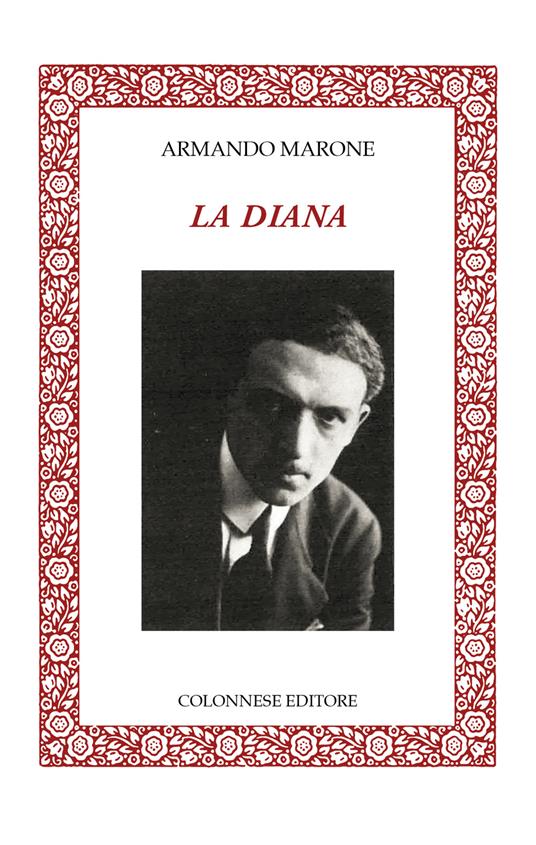
Armando Marone, La Diana. Colonnese Editore, Napoli 2025

Animata da Gherardo Marone (1891–1962), La Diana fu la più importante rivista letteraria del secolo scorso a Napoli. Ospitò le prime liriche di Giuseppe Ungaretti, contribuì a far conoscere in Italia la poesia giapponese e annoverò tra i suoi collaboratori figure come Benedetto Croce, Umberto Saba e Salvatore Di Giacomo.

Il volume ora pubblicato porta alla luce un manoscritto di Armando Marone (1904–1986), fratello di Gherardo, conservato presso la Biblioteca Nazionale di Napoli. Il testo ricostruisce l’atmosfera vivace e la rete di amicizie che furono alla base di questa preziosa esperienza editoriale e umana.

Armando Marone racconta che, all’inizio della primavera, i genitori si trasferivano in campagna, lasciando la casa napoletana a disposizione di Gherardo e dei fratelli. La dimora diventava così un luogo di incontro e di ospitalità, spesso per lunghi periodi, per letterati provenienti da tutta Italia.

Tra questi vi era Auro d’Alba che, come ricorda Armando, “viveva a Roma ma veniva spessissimo a Napoli e soggiornava da noi”. Nella primavera del 1917, la famiglia d’Alba trascorse due mesi di vacanza presso i Marone e nel manoscritto riaffiorano i ricordi dei giochi infantili con Sergio e Ofelia d’Alba.

L’ospite più illustre fu però Giuseppe Ungaretti, allora ancora poco noto al grande pubblico. Nel dicembre del 1916, durante la sua prima licenza di guerra, soggiornò dai Marone portando con sé Il porto sepolto, appena pubblicato e destinato a diventare un classico della letteratura italiana. L’amicizia tra Ungaretti e Gherardo Marone sarebbe durata tutta la vita.

Anni dopo, quando la figlia di Auro d’Alba morì tragicamente, Ungaretti le dedicò la lirica Memoria di Ofelia d’Alba. Qui alcuni versi:

” … in voi immortali

le cose, che tra dubbi prematuri

seguiste ardendo del loro mutare,

cercano pace …”

In quella stessa occasione, Gherardo Marone scrisse ad Auro parole di profonda partecipazione al dolore, parole che restituiscono la forza dei legami nati attorno a La Diana: “Io che l’ho portata sulle braccia, io che l’ho baciata bambina, sono degno di piangere con te, con la mamma desolata, con Sergio. Non c’è pace nel mondo: stringiamo ogni volta i denti e continuiamo questa dura guerra.”

Gherardo Marone, che curiosamente a volte si firmava anche Elio d’Alba, aveva conosciuto Auro d’Alba nel dicembre del 1915, in una fase di distacco del poeta di Schiavi dal Futurismo e di ricerca di nuovi interlocutori. In una lettera al critico Lionello Fiumi, Marone scriveva: “Auro d’Alba vale molto più di quanto sembri attraverso le sue cose. Mi ha fatto leggere qualche sua lirica inedita e ne sono rimasto impressionato”.

D’Alba aderì così a La Diana, collaborando con poesie e interventi critici, mentre uno dei suoi romanzi fu pubblicato dalla Libreria della Diana, la casa editrice legata alla rivista. Sarà poi lo stesso Fiumi a far conoscere Auro d’Alba in Francia, traducendolo e inserendolo in un’antologia di poesia italiana contemporanea.

La casa napoletana dei Marone accolse poeti e artisti da tutta la penisola. Tra le frequentazioni vi fu anche il poeta Elpidio Jenco, che ebbe una giovanile infatuazione per Ofelia. Altri nomi, oggi meno noti, non ebbero il tempo di affermarsi, cadendo sul fronte della Prima guerra mondiale. Anche Auro d’Alba combatté come bersagliere e rimase in corrispondenza con i Marone, come testimonia una cartolina illustrata dal fronte, oggi riprodotta nel volume.

Auro d’Alba è solitamente ricordato per la sua esperienza futurista, ma il suo contributo alla cultura letteraria italiana è molto più vasto. Questo piccolo, ma prezioso volume, aiuta a ricostruire un periodo meno conosciuto della sua produzione artistica e ci invita a riscoprirne la figura nella sua piena ricchezza.

a cura di Angelo Bottone

domenica, dicembre 21, 2025

L'appuntamento della carità

Egregio Dott. P. — Sono una giovane assidua lettrice dell’« Osservatore Romano della Domenica », e leggendo « Appuntamento della Carità » mi sento ispirata a rivolgermi a Lei per trovare il modo di venire in aiuto ai bisogni urgenti del mio missionario che ho preso a proteggere 16 anni fa, allorquando partì per la Cina. Ogni anno gli ho mandato qualche po’ di denaro; raccoglievo le offerte fra i miei conoscenti e le spedivo laggiù. Ma ora che i bisogni del mio missionario sono più gravi e urgenti perché rimpatriato per malattia, io non posso far nulla per lui perché disoccupata e in cerca di una occupazione per guadagnarmi la vita.

Dunque questo missionario, nella sua modestia, non vuole far sapere il suo nome, non vuole che il suo nome venga pubblicato sul giornale: questo è il guaio; come si può fare? Glielo manifesterò soltanto a Lei, Signor Dott. P., in privato, va bene? E Lei potrebbe dire che vi è un missionario rimpatriato dalla Cina per malattia, che ha urgente bisogno di cure costose, e che spediscano a Lei direttamente le offerte che penserà poi a farcele avere… ecc.

Dev.ma
Maria Teresa C.

Ottima Maria Teresa, come vede l’ho portata e mantengo l’anonimo per quanto la riguarda, ma non mi chieda — per carità — di trasformare la nostra redazione volante in un permanente ufficio di corrispondenza e tramite di benefattori e beneficati! Insegna l’esperienza che è caotico oltreché pericoloso (il mondo è tanto cattivo!) e perciò il Reverendo Padre Giovanni Tondi, attualmente domiciliato a Pomigliano d’Arco (Napoli), comprenderà e perdonerà perché conosce meglio di me quanto ha scritto S. Agostino in merito alla carità.

Questo soldato, questo ardito di Cristo, obbligato a ripiegare sulle posizioni di partenza per mancanza di… respiro, deve essere additato ai buoni pensosi della sorte delle anime. È un pescatore di uomini che non può più gettare le reti perché gli mancano le forze. E le forze ha perduto per guadagnare anime a Cristo strappandole a Satana.

Chi vorrà negargli un aiuto, sia pure modesto? Dare a un missionario è come concorrere alla salvezza delle anime e, se dare ai poveri per alleviare le loro sofferenze materiali è come dare a Cristo, figurarsi i meriti che si acquistano nell’alleviare i danni spirituali che derivano dall’ignorare la « buona novella »!

Sia dunque tranquilla, Maria Teresa, e auguriamoci che quest’appuntamento sia propizio al Suo missionario.

Benigno

26 settembre 1948

venerdì, dicembre 19, 2025

Why won’t the EU fund organisations with a traditional view of the family?


The Federation of Catholic Family Associations in Europe (FAFCE) has accused the European Union of ‘ideological discrimination’ after being excluded from EU funding.

In recent months, FAFCE applied for six EU-funded projects focusing on demographic decline, youth policy and child protection, areas that are among the organisation’s long-standing priorities. All six submitted projects were rejected. According to the Commission’s evaluations, the proposals raised concerns regarding equality measures and compliance with EU values.

FAFCE strongly disputes this assessment. In response, FAFCE commissioned an external consulting firm, Theoria, to carry out an independent and objective analysis of the Commission’s evaluations. Theoria examined the project documentation and the evaluators’ comments and concluded that there was nothing in the proposals that could “contradict equality requirements”, as the Commission had claimed.

Theoria’s report goes further, raising concerns about a broader pattern in how EU funding applications are assessed. “From our experience,” the report states, “after reading hundreds of project proposal evaluations, evaluators never question the definition or operational implementation of values, with one exception: when the values are proposed by Christian or pro-life organisations.” The report speaks explicitly of “evident bias in the evaluation”.

FAFCE is not the only organisation denouncing bias. The World Youth Alliance (WYA) also claim their EU funding was rejected because of their pro-life views.

The Commission evaluations cited vague shortcomings in the FAFCE’s projects, such as insufficient discussion of gender disparities, limited safeguards against discrimination, or a lack of clarity on how EU values were “made operational”. Yet, according to Theoria, these criticisms were not supported by concrete examples or specific deficiencies in the projects themselves. In some cases, anonymous evaluators deducted significant points despite acknowledging that proposals met the relevant criteria, a practice that had the practical effect of pushing scores below the approval threshold.

There is little doubt that organisations that have a Christian understanding of the family are being judged and penalised not on the quality of their work, but on the worldview they represent.

FAFCE’s president, Vincenzo Bassi, has rejected the implication that the organisation’s work is not inclusive. “We cannot be put on trial for our intentions,” he said. “Our approach includes everyone; we are against no one.” He has also warned that the funding decisions threaten the organisation’s viability, as FAFCE operates on a very modest annual budget.

Founded in 1997, FAFCE represents 33 family associations from 21 European countries. Inspired by Catholic social teaching, it works on issues such as family policy, demographic decline, work–life balance, child protection, human dignity and social cohesion. FAFCE occupies a distinctive position in Brussels: it is the only pro-family non-governmental organisation at EU level that includes the term “Catholic” in its official name, and it is the only organisation representing families accredited to the Council of Europe.

Support for FAFCE has come from several politicians and civil society figures, who argue that excluding pro-traditional-family organisations weakens Europe’s ability to address challenges such as falling birth rates, social fragmentation and the protection of minors. Critics of the Commission’s decision warn that EU funding risks becoming a tool for enforcing ideological conformity rather than supporting genuine pluralism within civil society.

domenica, dicembre 14, 2025


INCONTRO
Stamane per quella strada ci sei passato a caso. T’eri distratto e ci sei arrivato fuorviando il tuo cammino. Eppure a quell’angolo ti aspettava la povera vecchia singhiozzante signora che hai soccorso.

Iddio si è valso della tua distrazione per condurti per mano a fare un po’ di bene.

Il Signore ti ha chiamato stamane su quella strada.

Benigno

29 agosto 1948


IL REGNO       
Quando più nulla su questa terra ti attirerà e cercherai solo l’abbraccio della Croce, ringrazia il Signore che disse: « Il mio Regno non è di questo mondo ».

Benigno

5 settembre 1948


venerdì, dicembre 12, 2025

More good news on the ‘quiet revival’ front


After decades of steady decline, the proportion of Americans who identify as Christians appears to have stabilised, according to a major new survey by the Pew Research Center. Moreover, the youngest age group surveyed – the 18 to 24-year-olds – seems to be somewhat more religious than age groups immediately above them. This is similar to polling finding here in Ireland, both in the North and the South.

The survey is called the ‘Religious Landscape Study’ (RLS). It is a vast project involving almost 37,000 adults. Becaure the US census does not collect information on religion, the RLS is the country’s most authoritative measure of religious composition.

An important finding is that for the first time in years, the youngest adults in the United States are more likely to identify as Christians than other young people. Fifty-one percent of Americans aged 18 to 24 identify as Christian compared with 45pc of those aged 24 to 34.

Aside from the two polls commissioned by the Iona Institute, a recent survey from Britain showed the same pattern.

These findings challenge the assumption that each new age cohort will be less religious than the one before, suggesting instead that a plateau in secularisation may have been reached.

Even more striking is a subtle but significant gender shift within these younger groups. Historically, across every age cohort, American women have tended to be more religious than men. Yet among today’s young adults, this pattern has reversed, according to the Pew Center survey. Young men are slightly more likely than young women to say that religion is “very important” in their lives. This reversal, if it continues, would mark a major cultural change in the gender profile of American religiosity.

Despite the stabilisation among Christians, a substantial minority of the population say they have no religion. Nearly three in ten Americans now call themselves atheists, agnostics or “nothing in particular”, up from 23pc in 2014 and just 16pc in 2007. However, the rate of growth is slower than in recent years. The shift is visible across the political spectrum, but it is much more pronounced among liberals than among conservatives. A large majority of conservatives still identify as Christian, according to the survey.

Within American Christianity itself, Protestants remain the largest group, making up 40pc of adults, while Catholics account for 19pc. Both proportions have declined significantly since 2007. However, the Protestant share has held relatively steady since 2019, and the Catholic share has shown little change since 2014, with only minor year-to-year fluctuations.

The survey also highlights demographic differences that may shape future trends. Christians report an average completed fertility rate of 2.2 children per respondent, compared with 1.8 among the religiously unaffiliated and 1.8 among followers of non-Christian religions. Higher birth rates among Christians may help keep numbers steady, but what also matters in the long run is whether children raised Christian stay Christian as adults.

Together, these findings suggest that the long decline of Christianity in the United States may have paused, and that the youngest generation, far from accelerating secularisation, may be playing a part in this unexpected stabilisation.

domenica, dicembre 07, 2025

L'appuntamento della carità

Ill.mo Sig. Direttore,   

i quattro peccati che gridano vendetta al cospetto di Dio sono noti a tutti coloro che professano la nostra santa religione. “Oppressione dei poveri” è peccato dunque che grida vendetta al cospetto di Dio. Io sono povera e oppressa, ed ecco perché mi accingo a scriverLe questa lettera nella piena speranza che Lei, quale direttore di un santo giornale, alzi la Sua voce in aiuto di questa povera madre che non chiede ricompense né glorie, ma solo i suoi diritti per aver dato alla Patria il suo sostegno, il figlio Santo Aurora della classe 1922, caduto in terra di Russia il 16 dicembre 1942.

«Nonostante siano trascorsi quasi sei anni, io ancora non sono riuscita ad ottenere la misera pensione. Ho inoltrato istanze a ministri e deputati senza tuttavia poter concludere nulla di positivo».

Qui la Signora Francesca Aurora da Montebello Ionico (Reggio Calabria) fa la cronistoria della sua annosa vicenda epistolare e commenta:      
«Comunque, presto o tardi si dovranno pur decidere a concedermi e liquidarmi ciò che mi compete per il sangue che mio figlio ha versato sul campo dell’onore, dimenticando in quel momento che a casa lasciava una madre che sarebbe poi stata abbandonata da coloro che hanno il dovere di proteggerla e soccorrerla».

E conclude:    
«Eppure il Vangelo dice: Bussate e vi sarà aperto. Chiedete e vi sarà dato».

Gentile Signora,         
il Suo caso è veramente pietoso, ma Lei crede che tutti gli egregi signori cui ha indirizzata le Sue istanze si siano coalizzati per opprimerLa e chiuderLe ostinatamente la porta in faccia? No, Signora cara: gli è che a quella porta bussano centinaia di migliaia di mani ed è ... umano che si verifichi qualche ingorgo.

Tempo addietro è apparso questo comunicato quanto mai significativo sui giornali:
«L’On. Vigorelli, sottosegretario per le Pensioni di Guerra, ha promosso e presieduto una riunione delle Associazioni interessate al fine di accelerare le pratiche relative alle pensioni di guerra. L’On. Vigorelli, rilevato che oltre 500 mila pratiche sono ancor giacenti negli uffici del Ministero; che è impossibile per ora dare ad esse un rapido corso per la scarsezza di personale e per la insoddisfacente sistemazione dei servizi, ha assicurato agli intervenuti il suo fermo proposito di snellire tali servizi, in attesa di attuare una riforma sostanziale del sistema delle pensioni, specialmente per quanto riguarda un loro eventuale aumento».

Non perda dunque, Signora, fiducia negli uomini e — soprattutto —la fede in Dio, che non abbandona le sue creature. Ci stiamo occupando della “pratica indumenti” presso la Pontifia Commissione di Assistenza.

Benigno

22 agosto 1948

venerdì, dicembre 05, 2025

Leaving faith or finding it: the human impact behind Britain’s spiritual shift


Conversion into Christianity provides meaning, positive outcomes, and social integration, while leaving a religious faith often coincides with disorientation and emotional decline, according to a new study.

“The Changing Landscape of Faith in Britain: Rebirth, Renewal and Reimagining”, a newly released report by the Institute for the Impact of Faith in Life, focuses on those who have changed their religious identity in Britain. Rather than a steady march towards secularism, the country is experiencing a re-composition of belief and belonging.

What stands out most in the report is the different emotional and social impact of leaving versus entering the Christian faith. Among those who have left Christianity, two-thirds report no positive outcomes from their decision. Very few describe improvements in emotional health, purpose, or community life: only 19pc feel emotionally healthy, just 12pc report a stronger sense of purpose, and a mere 9pc say they have gained community connection. For many, leaving faith appears to coincide with disorientation, a diminished sense of coherence, and a decline in wellbeing.

The pattern is almost reversed among new Christian converts. Their stories often begin in moments of rupture, such as a bereavement, mental health struggles, or periods of existential questioning. Yet the transition into faith brings pronounced benefits, according to the study. Forty-five percent report a stronger sense of purpose and 44pc a more positive outlook. More than a third describe improvements in emotional wellbeing, relationships, and their sense of belonging. Only 27pc say they experienced no benefits at all. Conversion to Christianity, for many, seems to offer what modern Britain struggles to provide elsewhere: meaning, coherence, and social integration.

Becoming atheist, by contrast, is often described as a desire for ethical consistency and intellectual clarity. Yet it yields few emotional gains. Over 70pc of respondents who became atheist report no significant positive outcomes. While atheism may resolve intellectual tensions, it rarely offers the frameworks of belonging, community, or purpose that religious traditions, especially Christianity, continue to embody.

The report also shows that while traditional institutional Christianity may be shrinking in cultural reach, it remains the most dynamic religion in terms of movement, attracting new adherents even as many others drift away. People move between denominations, deepen commitment, or rediscover their faith.

As the report notes, “Christianity is simultaneously contracting in broad cultural affiliation and yet showing signs of renewal through more intense, younger converts or people re-engaging with their faith.”

Islam, by contrast, is more stable, with modest inflow and very limited outflow.

Dharmic traditions, including Hinduism, Buddhism, and Sikhism, also feature modest but steady inflow, reflecting Britain’s increasing religious diversification. These faiths offer healing, personal growth, philosophical depth, and an adaptable spiritual framework, often tailored to the needs of individuals who shift away from institutional religions. 

Alongside this, more personalised and wellbeing-oriented meaning systems are emerging, such as pagan and Wiccan practices, and eclectic therapeutic worldviews.

Regional patterns may vary as well, with Wales and Northern Ireland showing notably low levels of religious movement.

domenica, novembre 30, 2025

L'appuntamento della carità

Caro Benigno,

mi è frullata per il capo un’idea, e te la mando a dire, anche perché desidero sapere da te come dovrei fare per venirne a capo. Senti: sono un semplice artigiano con famiglia, abbonato al tuo bel settimanale fin dai primi numeri; non so certo manovrar la penna come gli attrezzi del mio mestiere, ma tanto per dirti la soddisfazione provata con la vittoria della D. C. che ha salvato l’Italia, spero cavarmela.
È da questa soddisfazione che mi è nata l’idea che ora ti espongo.

Nel 1944, dopo molteplici peripezie, che non so se sia meglio ricordare o dimenticare, dopo essere stato ferito con mia figlia in Chiesa per bombardamento aereo, dopo essere stato sfollato d’autorità, e poi lontano dal mio paese e dal mio lavoro per più di un anno, sono stato danneggiato nelle mie poche cose da altro bombardamento aereo, e riconosciuti i danni, tengo ora un credito presso lo Stato, per quanto ho subito. Ora vorrei farla finita con ciò e mettere una pietra sul passato, e dare così anch’io qualche cosa all’Italia, che si è dimostrata ancora una volta cattolica, da meritarsi sempre l’amore dei suoi figli.

Vorrei insomma sapere a chi dovrei scrivere, a quale Ente o Ministero indirizzare questa mia rinuncia al credito di danneggiato di guerra.

Non so se mi sono espresso bene, ma mi vorrai scusare se, pur non essendo colto, ho osato scriverti, e se mi userai la cortesia di rispondermi, fa pure come meglio credi; ho fiducia in te tanto per restare anonimo quanto per pubblicare il mio nome.  
— Angelo Cutioni (Savona), Ceriale.


Caro Angelo,

1 — A chi hai indirizzato la domanda per risarcimento danni di guerra? All’Intendenza di Finanza competente? E a quella indirizza la tua nobile rinuncia, che spero sia imitata dai più «abbienti»;

2 — come vedi ti sei espresso benissimo: l’importante, del resto, è farsi comprendere. Così sapessero tanti «colti» che si danno aria di letterati e non riescono a farsi capire mentre danno ad intendere di essere «originali»!

3 — ho stampato il tuo bel nome chiaro e tondo perché le buone azioni debbono essere segnalate e controllate... e poi quando dell’anonimato si può fare a meno, tanto di guadagnato; mi ha sempre ispirato una repugnanza istintiva.

Benigno

15 agosto 1948

venerdì, novembre 28, 2025

A far-reaching ruling on religious education in State schools in Northern Ireland


The UK Supreme Court has delivered an important judgment on religious education in a Northern Ireland primary school, ruling that the current way religion is taught amounts to ‘indoctrination’, and that the right to withdraw a child from religious education class should not be unduly burdensome on the child. The ruling does allow that religious education class can give a special place to Christianity in view of Northern Ireland’s history, but that religion must be taught in an “objective, critical and pluralistic” manner. This will be tricky to pull off, because done the wrong way, you can easily end up relativising religion, and that would not be “objective, critical and pluralistic” at all. There is really no neutral way to teach religion.

The case in question involved a young girl from Belfast and her father. Both argued that their school’s Christian-centred religious education and daily worship practices failed to respect their non-religious beliefs, breaching their rights under the European Convention on Human Rights. These include the right to education that respects a family’s convictions, and the right to freedom of religion or belief.

The school followed Northern Ireland’s “core syllabus”, a statutory curriculum that focuses heavily on Christianity for obvious historical reasons. The RE course was devised by the four main Churches in the North. The parents did not object to learning about religion, but said the teaching was not ‘objective’ or ‘pluralistic’ enough for a publicly funded school.

A key point in this case was the statutory “right to withdraw”. In both Northern Ireland and the Republic of Ireland, parents can request that their child be exempted from religious education or worship. But the parents said this right was unworkable in practice. Their daughter would have been the only child to leave the classroom, creating a risk of embarrassment or social isolation. No meaningful alternatives existed, the court said, and the burden fell on the parents to negotiate arrangements with the school. The courts accepted that this made the right more theoretical than real. (Interestingly, no-one ever seems to worry about the embarrassment a child might feel when they are withdrawn from sex education class).

The Supreme Court ultimately found that the school’s approach breached the family’s human rights. It agreed that the teaching was not “objective, critical and pluralistic”, and that the right of withdrawal, although formally available, was practically ineffective. As mentioned, is such a way to teaching religion achievable in practice, or do you automatically end up relativising all religions?

However, the Court was careful not to condemn the entire Northern Irish system. It did not declare that all schools are discriminatory. Instead, it confirmed that in this specific school, for this particular family, the arrangements did not comply with human-rights standards. The warning is gentle but unmistakeable: publicly funded religious education must be educational, not devotional, and withdrawal must be easy and non-stigmatising. 

Could this case have been avoided simply by accommodating the family’s right to withdraw? In a narrow sense, yes. If the school had offered a respectful, practical alternative that did not single the child out, the court might well have found no breach. But the ruling also highlights a deeper point: withdrawal alone cannot fix a curriculum that lacks pluralism. Religious education itself must be delivered in a way that respects diverse beliefs, regardless of who opts out.

Although the Supreme Court issued a strong judgment, the reliefs granted remain purely declaratory. This means the Court formally stated that the family’s rights were breached, but it did not strike down any legislation or require the government to change its policies. The responsibility for reform now lies with the Department of Education and school authorities.

In the North, 48,896 Protestant children and only 6,281 Catholics attend these State-funded, State-run schools. Another 25,453 are from other religions (including non-denominational Christianity) or have no religion.

The North’s Education Minister, Paul Givan, has promised to ensure that a Christian ethos in the region’s public schools is maintained. We will see what happens.

The ruling may also resonate south of the border. Irish courts are not bound by UK decisions, but they often regard them as persuasive, especially on shared human-rights principles. As both societies become more religiously diverse, the case is likely to fuel wider conversations about how faith is taught in publicly funded schools.

domenica, novembre 23, 2025

L'appuntamento della carità

 Caro Benigno,

ho letto e riletto la lettera del sacerdote G. L. (Osservatore Romano della Domenica n. 21). Mi è doveroso rallegrarmi con lo zelante parroco di Torre di Pordenone per le opere altamente sociali che egli ha istituito, e le mie felicitazioni — se lo permette — lo aiutino a dissipare il lieve velo di scoramento che accompagna le sue parole.

«Se Atene piange, Sparta non ride». Ho una parrocchia prevalentemente operaia in terra... rossa di Romagna. Il 90 per cento degli uomini e dei giovani non assiste alla Messa festiva ed il 60 per cento delle donne. Sento tutta l’amarezza per la diserzione dalla Chiesa di tanti miei parrocchiani, ed in particolare di fanciulli che, appena ammessi alla prima Comunione e Cresima, non si fanno più vedere in Chiesa.

Credo che per recuperare tutte queste pecorelle smarrite si renda urgente una decisa azione di istruzione catechistica. Il compito di insegnare la dottrina di Gesù è sostanziale nella vita sacerdotale. Ma come arrivare a quelli — e sono tanti — che non si accostano più alla Chiesa? Facciamo arrivare loro — ho pensato — una rivista illustrata catechistica, che rechi nelle famiglie le verità divine e cristiane, di cui hanno tanto bisogno.

Mi è capitata sott’occhio la rivista illustrata Vera Vita (via San Sebastiano, 48, Napoli) ed ho pensato di regalare un certo numero (20) di abbonamenti ai più poveri... di cognizioni e di vita religiosa e cristiana. Ma come giungere ai circa 200 fanciulli lontani (dai 7 ai 15 anni) quando le condizioni economiche non lo permettono?

Tra i lettori dell’Appuntamento della carità vi è qualcuno che voglia stanziare offerte per abbonamento semestrale (L. 175) od annuale (L. 350) di Vera Vita a fanciulli della mia parrocchia?

«— Chiedete e riceverete».

Don Dino Valgimigli
Parroco dei Ss. Simone e Giuda – Ravenna


Chi vorrà smentire il Verbo? «Per questo vi dico: qualunque cosa domandate nella preghiera, abbiate fede e l’otterrete».

Questo povero parroco chiede, prega per compiere un’opera di bene, un’opera santa, la più alta: far rientrare all’ovile le sue pecorelle. S’è visto dove lo smarrimento di tante pecorelle ci ha condotto e dove stava per farci precipitare.

Ecco perché, oltre all’indirizzo del sacerdote, ho messo quello della rivista. Giunga l’appello anche alla direzione di Vera Vita e ascolti questa la preghiera del «pastore», insieme a tutti i buoni che non hanno dimenticato.

«Le tempeste che sbattono la nave della Chiesa turbano il pilota... Invero, se non sedete anche voi al timone, non siete forse anche voi sulla nave?»

Il parroco dei Ss. Simone e Giuda aspetta. Che non aspetti invano!

Benigno

1 agosto 1948

venerdì, novembre 21, 2025

The extent of anti-religious persecution laid bare


The latest Religious Freedom in the World Report from Aid to the Church in Need (ACN) reveals that almost two-thirds of humanity, about 5.4 billion people, live in places where serious violations of religious freedom religious, up to and including martyrdom in all too many cases, occur. The most widely persecuted group is Christians.

The Irish launch of the report took place in Dublin yesterday at the offices of the European Parliament. This year marks the 25th edition of the global survey which covers almost 200 countries.

ACN identifies 62 countries where religious believers face either persecution (24) or discrimination (38), ranging from systematic violence and imprisonment to subtler forms of repression and social exclusion. These violations are not confined to any one region or religion; rather, they reveal a global erosion of freedom of belief and practice.

The ACN report names authoritarianism as the greatest threat to religious freedom worldwide. Repressive regimes, both communist and extreme nationalist, are tightening their grip through mass surveillance, censorship, and legal restrictions on faith groups. In places such as China, North Korea, and Eritrea, religion is treated as a potential rival to state ideology, leading to harsh control or persecution.

ACN analysts warn that governments are increasingly using digital technology to monitor and suppress believers. The result is a growing atmosphere of fear that stifles social trust and undermines civil society itself.

The report also focuses on the Cuban model of controlling religion, marked by state supervision rather than outright prohibition. This has become a template increasingly replicated in parts of Latin America, notably in Venezuela and Nicaragua. In Cuba, religious practice is formally permitted, yet every aspect of faith life is closely regulated through registration, surveillance, and administrative controls.

Churches must obtain official approval for gatherings, building work, or charitable activities, and those who criticise the government risk harassment or travel restrictions. The ACN 2025 report notes that Venezuela and Nicaragua have adopted similar authoritarian tactics, using bureaucratic pressure, propaganda, and intimidation to silence religious leaders who denounce corruption or human rights abuses. In Nicaragua, for instance, clergy have faced imprisonment and the expulsion of religious orders, while in Venezuela, Church voices calling for justice are routinely vilified in state media.

Another major trend highlighted in the ACN document is the escalation and evolution of jihadist violence. The report describes a “network of networks” of Islamist extremist groups spreading across Africa’s Sahel region, Mozambique, and the Democratic Republic of Congo, while maintaining a deadly presence in Asia, particularly Pakistan and the Philippines. These groups exploit weak governance and poverty to recruit followers and sow instability, often targeting Christian and Muslim communities alike.

ACN warns that religiously motivated terrorism has become more mobile, fragmented, and unpredictable. The human cost is immense: mass displacement, destruction of places of worship, and the silencing of faith leaders who advocate peace.

Despite these grave realities, the report ends on a note of hope. Regina Lynch, ACN’s Executive President, emphasises the resilience of religious communities who continue to promote reconciliation, education, and social cohesion in the face of oppression. She calls on governments and citizens to “defend the right to believe, or not to believe, for every person, everywhere.”

domenica, novembre 16, 2025

L'appuntamento della carità

Un’anima buona mi scrive:

«Le segnalo un caso che forse potrebbe ispirarle uno scritto ed una opera di carità. Si tratta di questo: ho conosciuto per caso un povero uomo, disgraziato fisicamente, poverissimo, che tira avanti la vita lavorando da elettricista (ma è ostacolato dalle sue condizioni fisiche). Ebbene, quest’uomo è un musicista e musicologo appassionato; innamorato di Beethoven, scrive notturni e Ave Marie (ha fatto i voti di scriverne una se guarirà). È stato a Lourdes e può essere interessante ascoltarlo mentre parla del suo pellegrinaggio e della sua vocazione.

Mi pare che una segnalazione fatta con sentimento, potrebbe costituire, oltre ad un articolo interessante, un aiuto per un poveretto. Ove anch’Ella lo credesse, io Le potrei combinare un incontro.

W. V.»

L’appuntamento, anzi l’incontro, me lo sono procurato nella maniera più semplice e rapida, invitando cioè per telefono a casa mia il Sig. Bruno De Andreis, ricoverato all’Istituto dell’Immacolata (Via Monti di Creta, 4) anche perché non ho voluto farne oggetto di curiosità... gazzettiera.

Il primo incontro è forse sgradito per stomaci delicati (quando si tratta di carità. Santa Caterina aveva uno stomaco di ferro) ma poi la luce dell’anima risplende su quel volto piagato. Mentre Bruno parla si riesce a intravedere pian piano il volto del Crocifisso. Bisogna pensare a Cristo.

Adesso Bruno racconta:

Orfano in tenera età, un arresto di sangue gli procurò un «angioma» per cui fu sottoposto da una zia a cure di raggi, forse drastiche. Dopo tre anni peggiorò notevolmente. Rimasto con lo zio, si diede a coltivare la musica, ma da autodidatta, riuscendo in breve a comporre. Intanto si esercitava nel mestiere di elettricista.

A 18 anni, un grosso pezzo di lavagna staccatosi da un cornicione gli procurò la frattura della scatola cranica. Nel 1940, transitando in bicicletta, causa l’oscuramento, urtò violentemente contro un paracarro e si fratturò il femore, rimanendo anchilosato della gamba sinistra. Soffre atroci dolori per sopraggiunta sinovite. Intanto continuano le applicazioni di ogni genere nella pelle del viso, ma peggiora sempre finché i buoni frati dell’Immacolata non lo ricoverano, iniziando una cura speciale che già gli ha procurato giovamento. Guarirà.

Ho esposto freddamente il caso perché ognuno misuri quanto sia sciagurato questo giovane che tutto subisce con una rassegnazione che non esito a chiamare eroica.

Ora egli vorrebbe lavorare per aiutarsi a risalire l’abisso in cui è caduto e in cui lo respinge, soprattutto, la sua miseria fisica. Avrebbe inoltre bisogno di supernutrimento per affrontare seriamente una cura lunga e costosa. Non ha abiti, biancheria ecc. Le esigenze dell’Istituto che lo ospita sono molte: non si arriva coi mezzi scarsi di cui si dispone a lenire il male di tutti, che è grave, ostinato.

Chi non vorrà porgere una mano a questo infelice provato così duramente, procurandogli lavoro o inviandogli un’offerta che serva ad alleviare i suoi atroci patimenti fisici e morali?

Dare al povero è dare a Cristo, ma quando questo povero si chiama Bruno De Andreis? Si tratta di un puro di cuore.

Benigno

18 luglio 1948


venerdì, novembre 14, 2025

Government has stuck its head in the sand over birth rates


At a press conference last week, Finance Minister Paschal Donohoe was asked by Gript journalist, Ben Scallan, whether Ireland should adopt pro-natalist policies to raise our very low birth rate. The context was the launch of a major new report looking ahead to 2065 and the financial challenges we will face, including from a fast-ageing population. The report looks almost exclusively to immigration as a solution to this problem. Both Minister Donohoe and the Department of Finance’s Chief Economist, John McCarthy, who was sitting beside him, essentially told Scallon there is nothing we can do to increase births.

Donohoe said that the number of children people have “is a choice for families”, while McCarthy said that “pro-natalist policies have been shown to have virtually no impact” elsewhere.

The Government plainly does not want to discuss Ireland’s plunging birth rate, because doing so would invite scrutiny of the policies that have made it so difficult for young people to start families. Yet, in the same interview, both Donohoe and McCarthy confirmed that the Government seeks to make daycare more affordable in order “to help families.” This alone undermines their claim. If daycare policies can help families, then clearly public policy can influence family formation and fertility rates. The real question is which policies the Government chooses to promote.

Minister Donohoe insists family size is a “choice.” Ireland’s fertility rate is now just 1.5, well below the replacement level of 2.1. But are people truly choosing to have so few children? According to an Amarach poll from 2022 which was commissioned by The Iona Institute, 36pc of Irish adults want two children, 35pc want three, and 13pc want four. This averages out at 2.7 children each. The gap between the number of children people want and the number they actually have reveals that economic and cultural pressures, and not necessarily personal preference, are suppressing family formation.

One of the strongest economic influences on the ability to start a family is the cost of housing. A new paper Build, Baby, Build: How Housing Shapes Fertility shows that rising housing costs, particularly for family-sized homes, directly reduce birth rates. Larger families need more space, and when rents or mortgages for multi-bedroom units soar, couples delay or forego having children. The study found that building more family-sized housing is far more effective (2.3 times more) in increasing births than simply increasing the supply of small apartments. Using U.S. data and a dynamic housing-fertility model, the paper estimates that if housing costs had remained at 1990 levels, the United States would have seen 11pc more births, roughly 13 million additional children, between 1990 and 2020. In other words, unaffordable housing is a major drag on birth rates.

In Ireland, where home ownership has become a dream for many young couples, the same logic applies.  While housing availability and affordability is not the only factor pushing down birth rates, it is a significant one, to judge by this new paper.

Other social dynamics, from career focus to the postponement of marriage, also shape how people view family life, and they too require thoughtful policy and cultural engagement.

This government, like the previous one, relies on immigration to compensate for the fall in births but immigration cannot fix a collapsing birth rate, since migrants themselves are mostly coming from countries where fertility rates have dropped below replacement level, for example, Brazil and India.

When politicians dismiss the issue or hide behind the language of “choice,” they reveal a lack of moral seriousness about the country’s long-term future.

If we do not put family formation at the heart of our social and economic policies, we will discover too late that the real “choice” we made was decline.

lunedì, novembre 10, 2025

Faith on Their Own Terms: How Young People Are Redefining Religion


Britain’s overall attitude towards faith is changing, and the younger generation appears more receptive to this shift, according to a new report.

Faith is becoming less a matter of family heritage and more a personal choice, and it is increasingly viewed as a resource to improve mental health.

Since the 1970s, the steady secularisation of Western societies has often been seen as inevitable. Yet recent polling in various countries, including Ireland (see here and here), suggests that younger generations may be showing a slight renewed interest in religion compared to the previous one, indicating a possible reversal of long-term religious decline.

The new report "The Next Generation of Faith: Journeys, Meaning and Wellbeing" produced by the Institute for the Impact of Faith in Life (IIFL), explores how attitudes towards faith are changing among young adults in Britain.

It examines the experiences of those who have moved towards religion as well as those who have stepped away, offering insight into the motivations and values shaping these shifts.

The picture emerging is not one of simple decline or abandonment, but of re-evaluation. For many aged 18–34, faith is no longer something accepted by default due to upbringing or cultural expectation. Instead, they are far more likely to make decisions about religion on their own terms. Personal authenticity carries considerable weight: beliefs must align with one’s values, sense of identity and understanding of the world. If they do not, there is little sense of obligation to remain within the tradition in which one was raised. In this way, faith is becoming more intentional rather than inherited.

This emphasis on autonomy is accompanied by a shift in what faith is perceived to be for. Many young adults now approach faith less as a fixed belief system and more as a personal resource to improve their mental and emotional wellbeing, according to the report.

“40pc of 18-34s that are moving into faith/changing religions are doing so because of a desire for personal transformation or healing. This goes down to 29pc for those older than 35”, the report says.

Younger people are far more aware of their psychological health and are attentive to practices that support reflection and self-understanding. For some, faith offers these benefits, providing space for meaning and emotional regulation. For others, faith is abandoned precisely because it is felt to lack compassion or emotional relevance.

The report also finds that younger adults engage more critically with questions of social justice and global crisis. Many struggle to reconcile such urgent challenges with religious frameworks that seem detached or inadequate.
“Of all the 18-34s that feel that global events have made them feel the world is increasingly unfair, 70pc moved away from faith. Among those older than 35, this is only 48pc”, the report notes.

Taken together, these findings highlight a movement away from socially embedded, inherited religion towards forms of belief or non-belief that are more flexible, personal and self-directed. Faith, where it persists, tends to be reflective and selectively integrated into a broader framework of identity.


domenica, novembre 09, 2025

L'appuntamento della carità

 Due righe scritte in fretta, a quel che pare, ma che racchiudono un così cristiano monito, da convincermi a segnalarle in quest’angolo di luce come «primato missionario» da imitare a edificazione delle anime:

«La curazia di S. Nicolò del Comelico (Belluno) ha offerto alle Missioni, nella giornata missionaria 1947, lire settantamila (L. 76.004) in ragione di L. 115 “pro capite”, constando detta curazia di 570 fedeli. — Il curato Don V. De M.».

Valgano queste righe a risvegliare troppe coscienze inerti, che hanno dimenticato le parole del Maestro, quando su una montagna di Galilea — delle Beatitudini o il Tabor? — assegnò agli Apostoli la loro missione:

«Ogni potere mi è stato dato in cielo e sopra la terra. Andate dunque per tutto il mondo e predicate il Vangelo ad ogni creatura. Istruite tutte le genti, battezzando nel nome del Padre e del Figliuolo e dello Spirito Santo: insegnando loro a serbar tutte le cose che vi ho comandate. Chi crederà e sarà battezzato, sarà salvo: chi non crederà, sarà condannato».

E aggiunse, rivestendoli di sovrumano potere:

«Ora questi sono i segni che accompagneranno coloro che credono: nel nome mio cacceranno i demoni; parleranno lingue nuove; maneggeranno serpenti e, se avranno bevuto alcunché di velenoso, loro non nuocerà; imporranno le mani agli ammalati e questi guariranno. Ed ecco, io sono con voi tutti i giorni, sino alla consumazione dei secoli».

Mentre la prima parte dell’investitura è abbastanza nota, meno nota è la seconda e ancor meno la seguente:

«Era necessario che il Cristo patisse e risuscitasse da morte il terzo giorno, e che si predicasse nel nome di Lui la penitenza e la remissione dei peccati per tutto l’universo, incominciando da Gerusalemme».

I 570 fedeli di S. Nicolò del Comelico hanno certo, chi più chi meno, intuito tutta l’importanza di questi passi delle Scritture coi quali Cristo istituì le Missioni. Ad esse la Chiesa lega la sua stessa esistenza, che è totale, e cioè non del solo Capo, ma di tutto il Corpo Mistico, ovverosia di ognuno di noi, battezzati nel nome del Padre e del Figliuolo e dello Spirito Santo.

Potrei aggiungere che è guerra perenne proprio in quella Gerusalemme donde penitenza e remissione dovevano incominciare, perché ivi è sordità e cecità maggiore.

Pure, da ogni anima riconquistata sale l’anelito di Agostino:

«O Dio, Dio mio, che miserie m’è toccato a patire! e che delusioni! Andavo in cerca di un soggetto d’amore, bramando di amare, e così odiavo la mia tranquillità e una via senza laccioli. Io dentro avevo fame di nutrimento interiore che sei tu stesso, mio Dio; ma non da quella fame io mi sentivo divorare; non avevo voglia d’incorruttibili alimenti, non perché ne fossi sazio, ma perché, quanto più n’ero digiuno, tanto maggiore ne sentivo la nausea».

Faccia ognuno di noi che si dice cristiano, che un’anima almeno si sazi delle parole di vita, le parole che non passano mai.

E questa, certo, è la Carità più grande perché vale l’eternità.

Begigno

27 giugno 1948

venerdì, novembre 07, 2025

Proclamato Dottore della Chiesa san John Henry Newman


di Angelo Bottone

Lo scorso 1 novembre, papa Leone XIV ha proclamato Dottore della Chiesa san John Henry Newman e lo ha anche nominato patrono dell’educazione cattolica.
Ma chi era questo porporato inglese la cui eredità intellettuale e spirituale ancora oggi ci parla con forza?

Fu teologo, educatore, guida spirituale, polemista e uomo di pensiero. Autore di sermoni, saggi storici e teologici, romanzi, poesie e trattati filosofici. Questa produzione riflette i molteplici ruoli da lui ricoperti. Ma più dei suoi scritti, è la sua vita stessa a interpellarci, segnata da un intenso e drammatico cammino di fede.

Nato a Londra nel 1801, trascorse buona parte della sua vita a Oxford, prima come studente e poi come sacerdote anglicano e accademico. Qui esercitò un’influenza profonda attraverso le sue prediche e i suoi scritti, diventando uno dei principali animatori dell’Oxford Movement, un tentativo di rinnovamento spirituale all’interno della Chiesa anglicana, incentrato sul recupero della teologia patristica e della liturgia.

Nel contesto di questo movimento, Newman difese a lungo la cosiddetta via media: la convinzione che l’anglicanesimo costituisse una posizione intermedia tra il cattolicesimo romano, percepito come appesantito da pratiche e dottrine spurie, e il protestantesimo, colpevole di aver abbandonato elementi essenziali della fede cristiana. Tuttavia, fu proprio lo studio dei Padri della Chiesa, i teologi dei primi secoli, a minare questa convinzione: Newman si rese conto che nella storia della Chiesa non si trovavano tracce di una “via media”, ma piuttosto un nucleo fedele alla verità apostolica, da cui nel tempo si erano allontanati vari gruppi.

Da qui nacque un interrogativo cruciale: come distinguere uno sviluppo autentico della dottrina da una sua corruzione? Per Newman, non si trattava solo di una questione teologica ma di una sfida esistenziale. Il suo amore per la verità lo portava a mettere in discussione la Chiesa in cui era cresciuto e che aveva promesso di servire. Le sue perplessità sul cattolicesimo non riguardavano tanto i dogmi, quanto alcune pratiche devozionali verso i santi e la Vergine.

Fu la sua riflessione teologica sulla storia a permettergli di superare queste riserve. Nel Saggio sullo sviluppo della dottrina cristiana (1845), Newman formulò sette criteri per distinguere lo sviluppo autentico da una deviazione dottrinale. Applicandoli alla storia del cristianesimo, giunse alla conclusione che solo nella Chiesa Cattolica si riconosceva la continuità con la Chiesa dei Padri e dei Concili. Questo lo condusse alla conversione: un passo doloroso, che gli costò l’abbandono della carriera accademica, l’emarginazione e la rottura di legami profondi.

Accanto al tema dello sviluppo dottrinale, Newman mise al centro della sua riflessione la coscienza, intesa sia come senso morale che ci permette di distinguere il bene dal male, sia come la voce interiore che ci chiama a fare il bene. Anche in chi non conosce la rivelazione cristiana, la coscienza rappresenta la più forte testimonianza dell’esistenza di Dio. Newman era scettico nei confronti delle prove razionali dell’esistenza di Dio basate sull’osservazione del mondo esterno, che riteneva convincenti solo per chi già crede. Al contrario, la legge morale interiore parla a tutti: essa rimanda a un legislatore, che non può essere un’idea astratta, ma una persona viva, un Maestro che ci parla nel cuore.

Per Newman, la coscienza è dunque il legame più intimo tra la creatura e il Creatore, il luogo in cui l’uomo ascolta la voce di Dio. È proprio questa fedeltà alla coscienza ad averlo guidato per tutta la vita, anche a costo di incomprensioni e sacrifici. La sua conversione al cattolicesimo non fu compresa da molti e su di lui gravò sempre un’aura di sospetto.

Molti dei suoi progetti fallirono o furono ostacolati. Ma Newman non cercava il successo: cercava la verità. Solo nel 1879, ormai settantottenne, ottenne il riconoscimento che meritava: papa Leone XIII lo creò cardinale, nonostante le resistenze di alcuni vescovi inglesi. Con questo gesto, Leone XIII rese giustizia a una vita interamente consacrata alla ricerca sincera e appassionata della verità, sempre illuminata dalla luce della coscienza.

Newman morì nel 1890, ma la sua santità fu riconosciuta solo dopo oltre un secolo. Papa Benedetto XVI, nel 2010, lo ha proclamato beato, e papa Francesco lo ha canonizzato nel 2019. Leone XIV, a conclusione di un lungo cammino, lo ha elevato al più alto grado del riconoscimento ecclesiale, dichiarandolo Dottore della Chiesa e patrono dell’educazione cattolica.

È un titolo che non solo onora la sua opera ma ne riconosce la profonda attualità. In un tempo segnato da disorientamento e da crisi di senso, Newman ci ricorda che solo chi ascolta la voce della coscienza, con umiltà e coraggio, può giungere alla verità e renderla feconda per il bene di tutti.


Meridianoitalia.tv

mercoledì, novembre 05, 2025

Another study shows greater openness to religion among young people

People used to mainly inherit their religion, like their politics, from their parents. This is no longer the case and hasn’t been for a long time. Now people often have to acquire religion (and politics) for themselves. It is a much more individualistic thing. A new report from Britain overall highlights this fact but shows younger people are sometimes attracted to religion because of its undoubted connection to improved mental and physical wellbeing.

In fact, polling in various countries, including Ireland (see here and here), suggests growing openness to religion among some young adults, especially those aged 18-24. This indicates a possible reversal of long-term religious decline.

The new report “The Next Generation of Faith: Journeys, Meaning and Wellbeing” produced by the Institute for the Impact of Faith in Life (IIFL), explores how attitudes towards faith are changing among young adults in Britain.

It examines the experiences of those who have moved towards religion as well as those who have stepped away, offering insight into the motivations and values shaping these shifts.

The picture emerging is not one of simple decline or abandonment, but of re-evaluation. For many aged 18–34, faith is no longer something accepted by default due to upbringing or cultural expectation. Instead, they are far more likely to make decisions about religion on their own terms. Personal authenticity carries considerable weight: beliefs must align with one’s values, sense of identity and understanding of the world. If they do not, there is little sense of obligation to remain within the tradition in which one was raised. In this way, faith is becoming more intentional rather than inherited.

This emphasis on autonomy is accompanied by a shift in what faith is perceived to be for. Many young adults now approach faith less as a fixed belief system and more as a personal resource to improve their mental and emotional wellbeing, according to the report.

“40pc of 18-34s that are moving into faith/changing religions are doing so because of a desire for personal transformation or healing. This goes down to 29pc for those older than 35”, the report says.

Younger people are far more aware of their psychological health and are attentive to practices that support reflection and self-understanding. For some, faith offers these benefits, providing space for meaning and emotional regulation. For others, faith is abandoned precisely because it is felt to lack compassion or emotional relevance.

The report also finds that younger adults engage more critically with questions of social justice and global crisis. Many struggle to reconcile such urgent challenges with religious frameworks that seem detached or inadequate.

“Of all the 18-34s that feel that global events have made them feel the world is increasingly unfair, 70pc moved away from faith. Meanwhile, for those older than 35, this is only 48pc.”, the report notes.

This is a bit ironic given that the Churches tend to talk about social justice and climate issues a lot.

Taken together, the findings of the report highlight a movement away from socially embedded, inherited religion towards forms of belief or non-belief that are more flexible, personal and self-directed. Faith, where it persists, tends to be reflective and selectively integrated into a broader framework of identity.