botblog (probabilmente il più vecchio blog italiano ancora attivo)

domenica, maggio 31, 2020

ANCIENT BARDS - Fantasy's Wings

At sunrise the village
Is already wide awake
Behold!
Everything is ready for the feast
Perfumed wreaths of flowers
Hung on every balcony
Look up!
The streets are decked with colorful festoons
The square will look beautiful
Dressed in sparkling lights
At dusk, when the music begins
In this celebration in honor of the Supreme
The folks build parade floats glorifying his name
The lord's young and beautiful children
Lork and Eirene rejoice and hop around
The pageant holding hands
They taste all the candy they get from every stand
Then dash through the gardens and fields
Swear won't peek
When we play hide and seek
Just count to ten and come find me!
I am the guard and you are the thief
You'll never enter my castle!
I wanna run
I will race you for fun
Who makes it first
Brotherly love, high on fantasy's wings
I'm happy when we we're together
Swear won't peek
When we play hide and seek
(Please don't cheat)
Just count to ten and come find me!
(Olly olly oxen free)
I am the guard and you are the thief
You'll never enter my castle!
(I won't let you)
I wanna run
I will race you for fun
(Come chase me)
Who makes it first to the rainbow?
(I bet you can't beat me dear)
Brotherly love, high on fantasy's wings
I'm happy when we're together
I wanna run
I will race you for fun
Who makes it first to the rainbow?
Brotherly love, high on fantasy's wings
I'm happy when we're together
Posted by Angelo at 2:05 AM Nessun commento:

sabato, maggio 30, 2020

Getting the facts right about reversing effects of abortion pills


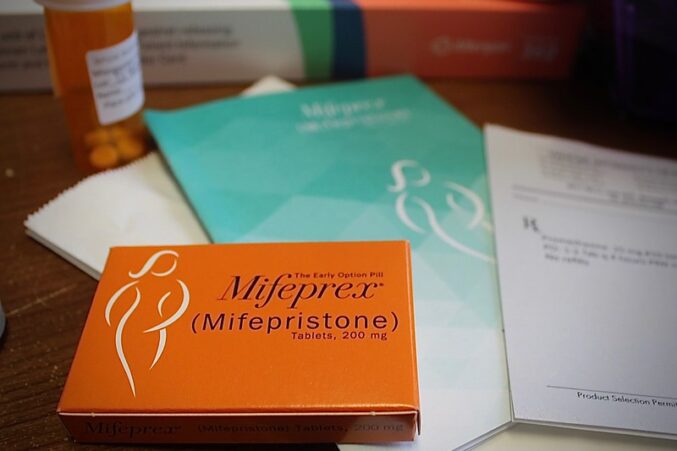
This week an article attacked Irish doctors who offer medical assistance to women who have taken abortion pills and then changed their minds before the effects were final. The article contains a number of claims that need to be challenged.

A chemical abortion consists of two separate pills: the first, called mifepristone, blocks the effects of progesterone, which is the natural hormone in a pregnant mother’s body necessary for her pregnancy to thrive. The second pill, called misoprostol, is normally taken one to two days later and completes the abortion. (The author of the article, Ellen Coyne, incorrectly writes “The first is misoprostol and the second is mifepristone.”)

The Abortion Pill Reversal protocol helps the women who have changed their mind within 72 hours of taking the first abortion pill and it aims at reversing the process and save their baby.

In some US states, doctors are legally required to tell about this possibility to women seeking abortions.

There is evidence that the attempts to reverse the effects of mifepristone (the first of the two pills) can be significantly successful and studies are undergoing to improve the efficacy of those protocols.

For instance, a study published in 2017 on the European Journal of Contraception and Reproductive Health Care concludes: “Women have changed their mind after commencing medical abortion. Progesterone use in early pregnancy is low risk and its application to counter the effects of mifepristone in such circumstances may be clinically beneficial in preserving her threatened pregnancy. Further research is required, however, to provide definitive evidence.”

There is no scientific evidence, instead, that those protocols are dangerous, even if Ellen Coyne’s article suggests so.

Let’s analyse the article and its faults. At the end of February (Ellen Coyne incorrectly says January), a group of Irish prolife doctors organised a conference on the “Abortion Pill Reversal”, with the participations of medical experts from the US.

Ellen Coyne incorrectly uses the expression “abortion reversal” but obviously abortion cannot be reversed. The medical intervention aims at reversing the effect of the first pill (mifepristone) before it is too late. So, “abortion pill reversal”, or the more technical expression “mifepristone antagonization”, is the correct one.

Dr Fiona O Hanlon was contacted by a journalist of the Irish Independent and, on request, she offered to prescribe progestosterone to stop the effect of the first abortion pill. “It’s a similar mechanism that we are used to using for a threatened miscarriage so if you have changed your mind it is worth a try”, she told the journalist.

Ellen Coyne claims that there is no medical evidence that progesterone after the first pill can reverse a termination. The 2017 article that I have mentioned earlier disproves this claim. (More evidence can be found here.).

Coyne reports that the Dr O Hanlon, when challenged, referred to a 2018 study which suggested progesterone could be used to treat a threatened miscarriage. Coyne comments “More recent research has contradicted this study, and the American College of Obstetricians and Gynaecologists has said using progestins for threatened miscarriages is “controversial, and conclusive evidence supporting their use is lacking”.”

It is impossible to assess the unspecified research Coyne refers to but her quote from the American College of Obstetricians and Gynaecologists refers to a 2011 study, so it can’t be used to disprove something published in 2018. Coyne also omits the next paragraph from the same document, which says that progesterone could beneficial to those who had three miscarriages.

On this same topic, in January this year the UK Royal College of Obstetricians and Gynecologists announced “Progesterone could prevent 8,450 miscarriages a year, finds new research.” (Remember, an abortion is effectively a deliberate miscarriage).

“Giving progesterone to women with early pregnancy bleeding and a history of miscarriage could lead to 8,450 more babies being born each year, finds new research published today.

Two new studies evidence both the scientific and economic advantages of giving a course of self-administered twice daily progesterone pessaries to women from when they first present with early pregnancy bleeding up until 16 weeks of pregnancy to prevent miscarriage. … Researchers are calling for progesterone to be offered as standard in the NHS for women with early pregnancy bleeding and a history of miscarriage, after their growing body of research has found it is both cost-effective and can increase women’s chances of having a baby.”

Perhaps Ellen Coyne should rewrite her article to take the above research into account?

Her article continues by mentioning a study about the efficacy of progesterone in stopping the effect of the first abortion pill.

“Dr Mitchell Creinin, a professor of obstetrics and gynaecology at UC Davis, told the Irish Independent that the study had to be abandoned amid safety concerns. A number of women who had taken mifepristone but not followed it with misoprostol were admitted to hospital after they started to bleed.”, she writes.

The suggestion is that the use of progesterone is dangerous and this is why the study had to be interrupted. Quite the opposite. The study involved only 12 women, two of which left before the end. They were divided in two groups, one used progesterone and the other a placebo.

Of the three who were hospitalized, two were from the placebo group while the third had completed her abortion in spite of the progesterone.

The study had to be suspended not because progesterone is dangerous but because those in the placebo group were at risk.

The April 2020 issue of Obstetrics & Gynecology, published The American College of Obstetricians and Gynecologists, contains some interesting comments to the study.

“The authors’ limited data show that giving progesterone after mifepristone is safe. The significant safety concerns were in the placebo arm only. Moreover, regarding the efficacy of progesterone, the limited data showed that progesterone was effective in preserving embryonic life. Four of the 5 (80%) patients who received progesterone had continued gestational cardiac activity.”, wrote Dr Michael T. Valley.

“Although too small for statistical significance, these data are consistent with previous findings of a 68% live birth rate after treatment with the same dosing for oral progesterone and 25% for embryos exposed to mifepristone only. More research is warranted assessing all outcomes of progesterone after mifepristone.”, wrote Dr George Delgado, Dr Mary Davenport, and Dr Matthew Harrison.

From the dates of the articles mentioned, it should be noted that this is an ongoing discussion in the scientific community. More studies are necessary and, contrary to what Coyne’s article says, there are good reasons to claim that this method could save lives.

Some women are conflicted about their abortion and change their minds between the first and the second pill. (Some even change their mind when the two pills fail to achieve a termination, and they decide to keep the baby rather than going for a surgical procedure.)

Those who are pro-choice should welcome the possibility to give women one last chance.

Posted by Angelo at 12:30 AM Nessun commento:
Labels: abortion, Iona Institute, Ireland

mercoledì, maggio 27, 2020

Discriminati tra i discriminati: sono gli studenti delle scuole parentali

Discriminati tra i discriminati: sono gli studenti delle scuole parentali

di Rodolfo Casadei

A non essere trattati equamente dal governo non sono solo gli studenti delle scuole paritarie, ai quali com’è noto il decreto Rilancio riserva le briciole, ma anche gli studenti delle scuole parentali e i privatisti di tutta Italia, costretti a un calendario di esami cervellotico, che sembra studiato per fargli perdere l’anno o per fargli perdere l’ingresso in università, e che come minimo gli rovinerà l’estate più di quanto la pandemia l’abbia già rovinata a tutti gli italiani.

L’ordinanza ministeriale n. 11 del 16 maggio dà tempo alle scuole fino al 1° settembre per lo svolgimento degli esami di idoneità, quelli che vengono sostenuti da chi vuole essere ammesso a una classe successiva delle scuole medie superiori senza aver frequentato quella precedente in una scuola statale o paritaria: è il percorso che viene seguito dagli studenti delle scuole parentali alla fine di ogni anno scolastico per vedere riconosciuta ufficialmente la loro scolarizzazione. Tutti gli altri studenti conosceranno il loro destino (che dovrebbe essere roseo, anche per quelli meno impegnati) attraverso gli scrutini entro la fine di giugno. L’ordinanza n. 10 emanata nella stessa data della 11 si occupa degli esami di maturità, e stabilisce che gli esami preliminari per i privatisti che devono affrontare la maturità si svolgeranno a partire dal 10 luglio, mentre l’esame di maturità vero e proprio, che quest’anno consiste in un colloquio, si svolgerà nella sessione straordinaria di settembre, che di solito coincide con la seconda settimana del mese. Invece tutti gli altri maturandi sosterranno gli esami di maturità in presenza a partire dal 17 giugno. Si tratta con tutta evidenza di provvedimenti discriminatori nei confronti degli studenti delle scuole parentali e di tutti i privatisti: un piccolo esercito stimabile in 10-15 mila persone.

Normalmente gli esami di idoneità e gli esami preliminari per i privatisti che chiedono di poter dare la maturità si svolgono nella seconda metà di maggio – inizio di giugno. In forza di quanto la legge prevede: «Le attività didattiche, comprensive anche degli scrutini e degli esami, e quelle di aggiornamento, si svolgono nel periodo compreso tra il 1° settembre ed il 30 giugno con eventuale conclusione nel mese di luglio degli esami di maturità» (Decreto Legislativo 16 aprile 1994, n. 297, art. 74, comma 2). Stabilire che le scuole hanno tempo fino al 1° settembre per far fare gli esami di idoneità, significa discriminare gli studenti delle parentali dagli altri studenti, che con gli scrutini di giugno finiranno il percorso del tribolato anno scolastico 2019/20. Anche perché quest’anno gli studenti delle parentali saranno, stando alle norme in vigore, gli unici in tutta Italia a sostenere esami non annacquati: quando verranno chiamati, fosse Ferragosto o il 1° settembre, dovranno come sempre portare tutto il programma dell’anno e fare tutti gli scritti: matematica, italiano, ecc.   

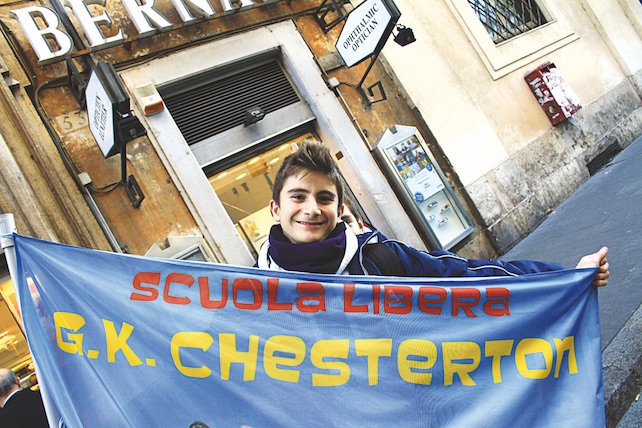
Ancora peggio stanno le cose per i maturandi delle parentali e privatisti in genere: le leggi hanno sempre previsto l’uguaglianza di trattamento fra loro e gli studenti interni delle scuole al momento dell’esame di maturità, fatto salvo che per essere ammessi devono superare un esame preliminare. Ma stavolta l’esame preliminare è spostato nel cuore di luglio, quando tutti gli altri maturandi hanno già finito, e la maturità vera e propria si fa a settembre inoltrato, nella sessione straordinaria che tradizionalmente è riservata a studenti che per malattia o per grave documentato motivo non hanno potuto sostenere l’esame nelle date canoniche. Ma i maturandi delle paritarie e privatisti in generale non avrebbero nessuna difficoltà a dare gli esami nei tempi tradizionali, mentre questo rinvio a settembre rischia fortemente di compromettere il loro accesso all’università: le date dei test di ingresso delle varie Facoltà finiranno per accavallarsi con le date della loro maturità! Inoltre molte scuole stanno già mettendo le mani avanti nei riguardi dei candidati alla maturità costretti dall’ordinanza a presentarsi solo a partire dal 10 luglio. Dice Giuseppina Clementi della scuola parentale G.K. Chesterton di San Benedetto del Tronto: «I nostri 3 candidati agli esami di maturità sono stati assegnati a una piccola scuola della provincia. Abbiamo parlato ieri con la preside, che ci ha detto: “Gli esami preliminari non posso farveli fare prima del 10 di luglio, perché così stabilisce l’ordinanza anche se, in un paio di giorni, avremo finito con gli esami di maturità dei nostri studenti e ci sarebbe tutto il tempo. Ma vi pare normale?».

Cosa chiedono le scuole parentali? «Chiediamo che gli esami di idoneità in presenza debbano essere svolti entro il 30 giugno e non entro il 1° di settembre», dice Giuseppina Clementi. «Riteniamo inoltre che l’esame debba consistere esclusivamente in un colloquio orale, su tutte le discipline, sull’esempio di quello di maturità poiché lo stato di emergenza, che terminerà il 31 luglio 2020 (decreto legge 25 marzo 2020 n. 19), impone una scelta di buon senso e di responsabilità per evitare il contagio. Le stesse richieste valgono per i nostri candidati alla maturità». Gira voce che presto dovrebbe uscire un nuovo decreto per risolvere il problema dei privatisti, per evitare cioè che debbano dare la maturità a settembre. Per adesso si son viste solo petizioni online di privatisti disperati.

Posted by Angelo at 10:22 AM Nessun commento:

martedì, maggio 26, 2020

Ireland will be one of the last countries to restore public worship


Posted by Angelo at 2:00 AM Nessun commento:
Labels: Bitchute, covid-19, Ireland, religion

lunedì, maggio 25, 2020

Should those in charge get priority treatment in a pandemic?

In a previous blog I discussed an article published in the New England Journal of Medicine (NEJM) that debates certain principles for allocating scarce medical resources during a pandemic.

The authors propose four main values that can be useful when there is a shortage of resources. They are: 1. Maximize the benefits; 2. Treat people equally; 3. Promote and reward instrumental value; and 4. Give priority to the worst off.

I have already discussed three of them and now I will concentrate on “promote and reward instrumental value”.

We value things intrinsically, for their own sake, or instrumentally, for the sake of something else. For instance, a banknote has little intrinsic value, it is just a piece of paper, but when it is a legal tender it also has an instrumental value because it can be used to pay for something. We employ it instrumentally for something else, to carry out a particular function.

Similarly, we can value human beings for what they are, in themselves, or for what they do, instrumentally. If I need a plumber, for instance, I will choose the one that suits me best. I treat him as an instrument for my purposes (do the job being paid for) and there is nothing wrong with it as this is the nature of a commercial transaction.

But when we need to evaluate who has priority in accessing medical resources, should we treat patients for their intrinsic value, simply as members of the human family, or also for some instrumental value, such as their utility to society?

In normal circumstances, we treat them according to their needs. Their past or their future, their role in society, their usefulness should not matter.

We give should give the opportunity to access the same treatment to an important doctor and to someone who has injured himself behaving recklessly, or to someone who is in prison. We value patients not from the point of view of society, but intrinsically, for what they are and not according to their history because even the worst human being deserves care.

Nonetheless, this general equality principle does not apply in exceptional circumstances.

For instance, if there is a health emergency on a ship with hundreds of people, it is morally acceptable to prioritise those who are in charge of the ship over the rest, because if they die, everyone else will also die. The instrumental value prevails in this case.

How this apply to our circumstances?

The NEJM article says: “Instrumental value could be promoted by giving priority to those who can save others, or rewarded by giving priority to those who have saved others in the past”.

Using a technical term, I will call those “diachronic criteria” as they associate value to time, to what someone did in the past or will do in the future.

I maintain that, in allocating medical resources, diachronic instrumental value should not apply retrospectively. Obviously, those who have made relevant contributions should be recognised and rewarded but this should not count as a criterion to select who should have access to ICU beds, ventilators, etc.  Nonetheless, treatments are not awards based on past merit but they are remedies offered according to actual needs. The focus in on the present.

And what about future usefulness or utility? Does it matter? It does but as an ultimate measure and only for the limited time of the in exceptional circumstances. (Think of the previous example of the ship).

The NEJM article says: “Critical Covid-19 interventions – testing, PPE, ICU beds, ventilators, therapeutics, and vaccines – should go first to front-line health care workers and others who care for ill patients and who keep critical infrastructure operating, particularly workers who face a high risk of infection and whose training makes them difficult to replace. These workers should be given priority not because they are somehow more worthy, but because of their instrumental value: they are essential to pandemic response”.

They have a higher instrumental value because saving them we will also save other lives. Special considerations will be beneficial to them directly and to others indirectly. So, all things being equal, it is morally acceptable to favour them because of their indispensable role for society.

This kind of thinking seemed to be dominant in March when hospitals were outbidding care homes for PPE and staff leaving them in very short supply at great cost. Almost two-thirds of Covid-related deaths have occurred in care homes and, in the end, the hospitals were never overwhelmed with Covid-patients or anything close to it.

I don’t believe we have anywhere reached such an exceptional level of emergency that the survival of large part of the population depends on few health professionals, but this is an evaluation that has to be performed locally.

In any case, the main point is that “promote and reward instrumental value” should not be interpreted retrospectively. Diachronic instrumental criteria are valid only exceptionally, for a limited period of time, and for the actual benefit of others.

Posted by Angelo at 7:32 PM Nessun commento:
Labels: bioethics, covid-19, ethics, Iona Institute, Ireland, medicine, philosophy, science

domenica, maggio 24, 2020

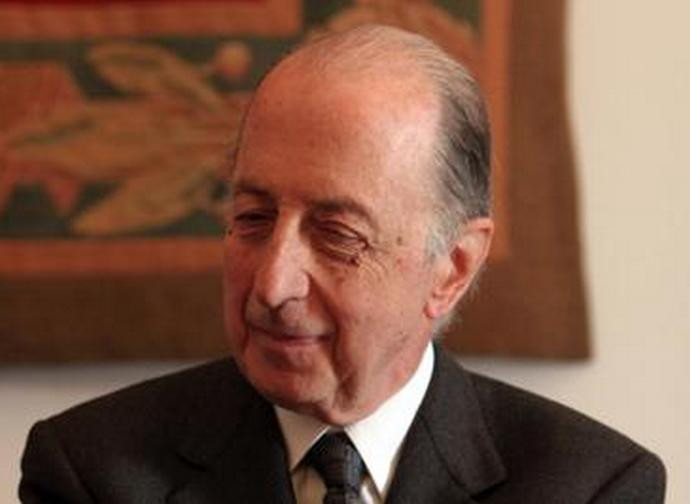
Vincenzo Cappelletti

E' venuto a mancare il prof. Vincenzo Cappelletti. Un uomo di cultura che ho avuto modo di conoscere durante i miei anni nella Presidenza FUCI, quando Cappelletti era il presidente della Fondazione FUCI.
Riproduco qui due articoli commemorativi. 


Vincenzo Cappelletti, un uomo all’incrocio dei saperi


ù
ANTONIO AUGENTI

Tra le provocazioni culturali alle quali sono anche personalmente affezionato quella che sottolinea la difficoltà di conoscere “l’umano”, nella configurazione sempre più complessa e prismatica che esso presenta, ha esercitato ed esercita una suggestione peculiare: è perché si tratta di un esercizio che esige l’uso di approcci diversi alla conoscenza, di tipo pluridisciplinare e interdisciplinare; esercizio nel quale possono essere versate menti di rara preziosità,capaci di navigare lungo i percorsi della ricerca scientifica come in quelli della riflessione filosofica, non meno in quelli accesi dalla tensione spirituale e di fede.

Nell’Enciclopedia Treccani – Vincenzo Cappelletti ne fu indimenticabile coordinatore per numerosi anni – con enciclopedismo si traduce la tendenza a costituirsi una cultura relativa a molteplici rami del sapere. Non è un caso che questo illustre studioso si sia trovato e sia stato all’incrocio dei saperi; ed è comprensibile che a questa figura, non solo erudita, ma dal vissuto intellettuale ed esperienziale colto siano stati affidati nel tempo incarichi di altissimo prestigio: alla guida di organismi culturali (Accademie Internationale d’Histoire des Sciences), di Istituti di ricerca e di studio (Società italiana di Storia della Scienza, Istituto di Studi Germanici) e di numerose altre Associazioni e Fondazioni; tra le altre, la Fondazione Nazionale C. Collodi.

La sua biografia è costellata, com’è giusto che sia avvenuto, da innumerevoli riconoscimenti: lauree honoris causa presso Università di altri paesi, medaglia d’oro al merito della cultura italiana, Premio Internazionale Montaigne per le Scienze umane, Medaglia Koiré dell’Accademie Internationale d’Histoire des Sciences. Numerosi, ovviamente, i contributi consegnati alla lettura e all’approfondimento di studiosi e allievi, e che interessano gli ambiti delle scienze umane e sociali, dell’antropologia, delle neuroscienze, della storia e della ricerca epistemologica.

Il ricordo che nel momento della scomparsa di Vincenzo Cappelletti sento di riservargli con grandissimo affetto è dovuto al privilegio di averlo conosciuto per la prima volta intorno agli anni ’70, quando, come responsabile dell’Ufficio Studi del Ministero dell’Istruzione, sollecitai e promossi quella che mi sembrava essere una naturale alleanza alla quale occorreva che si dovesse pervenire: tra chi aveva a cuore il miglioramento della qualità dell’istruzione e della formazione e chi  era in grado, alla guida di importanti Istituti culturali e di ricerca, di assicurare alle scuole e alle  Istituzioni accademiche il sostegno di mondi culturali vitali, ma spesso estranei al mondo della ricerca pedagogica e della prassi didattica. Andrebbe recuperata la documentazione dei tanti convegni organizzati negli anni ‘70/80 dal Ministero della P.I. , in collaborazione con l’Istituto dell’Enciclopedia Italiana(del quale Vincenzo Cappelletti è stato per moltissimi anni Direttore generale, vice Presidente e Direttore scientifico, sulla scia storica di G.Gentile, G. De Sanctis e A. Ferrabino), e con la Fondazione G. Cini di Venezia.

Ho poi conservato il privilegio di restargli a lungo amico, di là dalla comune presenza nella Società Europea della Cultura e nella Fondazione Nazionale C.Collodi, per  confermare quell’ormai sempre più improbabile relazione che, in modo convinto e intimamente sentito, ti lega a persone vere e buone. Vincenzo Cappelletti era tra queste, grande nella semplicità, elegante e forbito intellettualmente, ricercato con scrupolo nell’uso della parola, perché dietro la parola c’è la storia delle persone e,quindi, il rispetto che ad essa si deve.

Questo personale ricordo viene affidato non a caso a Tuttoscuola, perché va detto che a questa impresa culturale Vincenzo Cappelletti ha riservato, in non poche occasioni, una particolare cura e attenzione, non solo per la sincera e profonda amicizia che lo legava al fondatore della testata Alfredo Vinciguerra, scommettendo sulla risposta di verità che essa intendeva dare ai problemi che riguardano l’educazione della persona.


Cappelletti, storico e uomo di fede


Graziano Motta


Un grande uomo per cultura e fede è stato Vincenzo Cappelletti, di una tempra che difficilmente si riesce oggi a scoprire accanto a noi. Ci ha lasciati il giorno dell’Ascensione del Signore, una festività che ”una volta“, non lontana, rispettava i 40 giorni dalla sua Resurrezione ed oggi invece, per una incomprensibile ossequiosità alle leggi del lavoro e del mercato, è stata spostata di tre giorni, alla Domenica, mitigata tuttavia da un accorta preparazione liturgica.

Per un’anima, come quella di Vincenzo Cappelletti, così attenta alla presenza del Signore della vita nella storia dell’uomo e nel mistero dell’universo, la coincidenza del transito con il giorno della memoria dell’Ascensione di Gesù è stata un premio. La sua figura di cristiano ne esce ancor più illuminata di quanto già brilli la sua eredità di pensiero e di artefice di cultura. Paradossalmente era di un’altezza notevole e aveva un portamento “signorile” d’altri tempi,  “profetico” lo definisce un altro comune e grande amico, lo scultore Alessandro Romano. Ma l’apparente austerità ricopriva l’umiltà con la quale, a conclusione della celebrazione della Messa, offriva ai fedeli in fila sotto la pineta monumentale di Fregene la Comunione.  Assolveva il ministero straordinario dell’Eucaristia. 

Ci legava un’amicizia profonda, che solo nella preghiera trova consolazione e compimento. E come amico sono chiamato a integrare la lacuna delle sue biografie che, pur spaziando in intere pagine sui social media, trascurano di riferire della sua religiosità. Per la prima volta posso così testimoniare anche della “provvidenziale” sua chiamata (1970) a direttore generale dell’Istituto dell’Enciclopedia Italiana ,promossa dal suo presidente, un altro grande storico dell’antichità,  Aldo Ferrabino. Che, ancora titolare della cattedra di Storia antica - con lui divenuta celebre all’università di Padova, di cui divenne poi Rettore prima di essere eletto nel 1948 senatore e di trasferirsi a Roma - da agnostico che era si convertì, chiese il Battesimo e avrebbe scritto poi nel 1946-47 una stupenda Trilogia del Cristo.  
Li univa un’intesa, un’empatia straordinarie. Cappelletti me ne parlava sovente, pur con la delicatezza che gli era connaturale, “provocato” dal fatto che io a Fregene vivo poco distante della villa di Ferrabino, ed egli percorreva sovente la nostra strada, che attraversa la Pineta, per recarsi a fargli visita. Era l’epoca del  loro soggiorno estivo, poco distante da Roma. Avrei scoperto da me come nel libro Le vie della storia (1955) Ferrabino era stato illuminato dalla visione cristiana della storia.

Insieme Ferrabino e Cappelletti avevano potuto avviare quella stabilità finanziaria della “Treccani” che avrebbe assicurato l’espansione editoriale di prestigiose sue iniziative e consentito il varo di nuove; avevano cioè ottenuto di conformare il fondo di dotazione ai valori correnti, perché eran fermi a quelli del 1933. Su questa vicenda v’è abbondante letteratura. Scorrendone le pagine, sono rimasto impressionato dall’affermazione di Ferrabino che «la storiografia dell’Ottocento non era riuscita a fondare, come fu suo vanto, la scienza della storia». E Vincenzo Cappelletti, laureato in medicina e in filosofia, era docente di Storia della scienza (dal 1968 al 1971 all’università di Perugia, dal 1972 a Roma, prima alla “Sapienza” poi a “Roma Tre”). Nel 1956 aveva cominciato a collaborare con l’Istituto dell’Enciclopedia Italiana del quale nel 1969 Ferrabino lo avrebbe nominato vice direttore generale e un anno dopo direttore. Carica che mantenne fino al 1992.

Ferrabino è intanto morto e Cappelletti continuerà a sviluppare sino al 2002 la comune strategia culturale ed editoriale. Ora da vicepresidente e direttore scientifico , cioè con le stesse responsabilità che nel 1925 aveva voluto assumere il filosofo Giovanni Gentile al momento della fondazione  dell’Istituto con l’industriale tessile e mecenate lombardo Giovanni Treccani «per dare all’Italia sull’esempio europeo un’enciclopedia nazionale in grado di favorire la diffusione a tutti i livelli della cultura». Cappelletti continuerà pure a tener viva la memoria dell’amico mantenendo in vita e dirigendo la prestigiosa rivista Il Veltro: l’avevano fatta nascere nel 1957, un anno dopo la nomina di Ferrabino a presidente della “Dante Alighieri”. Il veltro si fregia di essere “la rivista della civiltà italiana”. 

Siamo nel campo degli obblighi di citazione delle benemerenze degli uomini illustri. Troppo lungo citarle, è facile leggerle nelle biografie sui social. Ricordiamo solo che Cappelletti era stato condirettore della rivista di storia della scienza Physis (dal 1991) e degli Archives Internationales d'Histoire des Sciences; che aveva presieduto la casa editrice  Studium ,  ricevuto due lauree honoris causaed era stato insignito di tre medaglie d’oro, una al Merito accademico due  al Merito della cultura e dell’arte. Era stato presidente della Domus Galilaeana di Pisa, dell'Académie Internationale d'Histoire des Sciences, della Società Italiana di Storia della Scienza, dell'Istituto Accademico di Roma, dell'Istituto Italiano di Studi Germanici, della Società Europea di Cultura.Molte pure le sue pubblicazioni scientifiche , alcune di metapsicologia e di epistemologia. Il suo primo libro Emil du Bois-Reymond – I sette enigmi del mondo(a cura, 1956); l’ultimo Natura e pensiero – Percorsi storico-filosofici (Aracne Editore, 2018).

Ma non vi è traccia nelle Bibliografie di due grandi opere religiose di Cappelletti. Nel 2003, chiamato a collaborare al progetto della casa Art’è di pubblicare le celebri Confessioni di sant’Agostino, ne scrisse il saggio introduttivo e i commenti. L’opera, curata da sua figlia Claudia, valentissima erede della sua passione per la cultura e l’arte, si avvalse delle illustrazioni di Alessandro Romano, celebrato scultore di fama mondiale ed esemplare cristiano.  E per questo Vincenzo Cappelletti lo scelse per “realizzare il sogno da sempre coltivato in cuore”, così gli disse,  di realizzare le 15 tavole illustrative. Furono subito accolte come capolavori.  

Vincenzo Cappelletti e Alessandro Romano non potevano non ritrovarsi assieme in un nuovo, analogo, impegno editoriale nel 2008 - questo della casa Vydia di Macerata curato sempre da Claudia Cappelletti - di pubblicare in occasione del Bimillenario dell’Apostolo delle Genti, gli Atti degli Apostoli e le Lettere di Paolonel grande volume Paulus. Completarono la prefazione del cardinale Andrea Cordero Lanza di Montezemolo. arciprete della Basilica Ostiense, promotore dell’Anno Paolino ed i saggi tematici di mons. Fortunato Frezza, noto biblista ed allora sottosegretario del Sinodo dei Vescovi, due altri contributi: il primo rappresentato dalla lunga e colta Introduzione di Vincenzo Cappelletti, il secondo da ben 24 tavole illustrative – alcune a doppia pagina – ed una scultura in bronzo di Alessandro Romano. Ancora capolavori d’arte, di dottrina, di fede.


Posted by Angelo at 4:27 PM Nessun commento:
Labels: FUCI

sabato, maggio 23, 2020

La preghiera è un'educazione

Ogni volta che preghi, se la tua preghiera è sincera, ci saranno in essa un senso e un sentimento nuovi che ti ridaranno coraggio e capirai che la preghiera è un'educazione. Fedor Dostoevskij
Posted by Angelo at 6:10 PM Nessun commento:
Labels: Dostoevskij

venerdì, maggio 22, 2020

L’Europa frantumata davanti alla libertà religiosa

Strane cose accadono nel Vecchio Continente ai tempi delle chiese chiuse dal coronavirus

Di Marco Respinti

L’Irlanda ‒ dico l’Irlanda “cattolica” ‒ sarà l’ultimo Paese in Europa a riaprire le chiese alle Messe. Accadrà il 20 luglio, una data che si stenta a scorgere persino con il binocolo. Effetto di un governo sempre più lontano da quella cultura cattolica che ha per secoli connotato, e orgogliosamente, l’Isola Verde. Basta seguire David Quinn, direttore dell’Iona Institute di Dublino, nonché opinionista dei settimanali The Sunday Times e The Irish Catholic, per esserne edotti e restarne informati.

La Francia ‒ dico la Francia della legge sulla laicità del 1905 che sancì la separazione totale fra Chiesa e Stato, rimpiazzando il Concordato del 1801 ritenuto evidentemente troppo permissivo pur essendo stato imposto con le baionette da Napoleone Bonaparte (1769-1821), e della legge 2004 che vieta l’uso di simboli religiosi a scuola (croci, kippah, velo islamico e quant’altro), ha invece definito «[…] l’interdizione generale e assoluta» dei luoghi religiosi come «[…] sproporzionata rispetto all’obiettivo della preservazione della salute pubblica» e, visto il «[…] carattere essenziale di questa componente della libertà di culto», «[…] un attentato grave e manifestamente illegale verso quest’ultima». Lo ha fatto il 18 maggio il Consiglio di Stato intimando al primo ministro di modificare entro otto giorni il decreto liberticida dell’11 maggio.

Tempi interessanti

Quando, nel 1978, lo scrittore e pensatore russo Aleksandr I. Solženicyn (1918-2008) definì il nostro «un mondo in frantumi» non immaginava forse a quale punto di inversione dei poli saremmo giunti. Mentre nella cattolica Irlanda il governo tiranneggia una Chiesa che evidentemente si lascia tiranneggiare, la Francia laicista afferma una verità di principio sacrosanta. Per tutti. Continua infatti a sbagliare di grosso (obiettivo e retorica) chi pensa che la libertà religiosa, e quella sua reificazione concreta che è la libertà di culto nelle sue varie dimensioni ed espressioni, sia una questione da credenti e da beghine, da preti e da perpetue. Ne beneficiano pure loro, ovvio, ma in quanto persone umane.


Continua qui.

Posted by Angelo at 9:41 PM Nessun commento:
Labels: Francia, Irlanda

giovedì, maggio 21, 2020

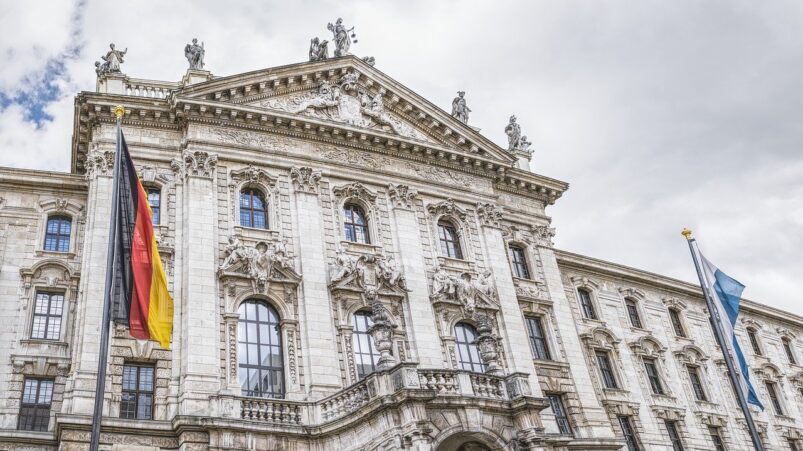
French and German judges rule against Covid-bans on public worship

In both Germany and France, judges have ruled that a ban on public worship in response to the pandemic is disproportionate and a violation of rights. The judges were aware of the need to protect public health, but believed this could be done without a total ban.

The German Federal Constitutional Court, on April 29th, ruled that the prohibition violated the religious freedom guaranteed by the Constitution.

The ban was introduced in mid-March as part of the first package of measures to slow the spread of Covid-19.

However, on April 15th, Chancellor Angela Merkel announced that shops and other venues were allowed to reopen but public religious services were not permitted.

As a response, the president of the Catholic Bishops’ Conference maintained that the ban was a major impediment to the freedom of worship and could not understand why it should remain in place if proper safety measures were introduced. On the other hand, a representative of the federation of Lutheran, Reformed and United churches expressed support for the Government’s measure.

Interestingly, it was a Muslim association that appealed against the ban and prompted the Federal Constitutional Court’s decision.

The Court ruled that exceptions could be granted when it is possible to enforce effectively protective measures. The size, the structure of the religious setting and the current risk level in the local region, all must be taken into consideration.

This means that in Germany public religious celebration have returned since the end of April.

In France, when Prime Minister Édouard Philippe announced the partial lifting of the lockdown, beginning May 11th, he said the ban on public worship should continue until at least June 2nd.

During previous consultations with the Government, the Bishops’ Conference had clearly stated that restarting public Masses was a priority for them and they presented some possible measures to arrange the churches and contain the risk of contagion.

The Bishops expressed bitter disappointment at the announcement. “They don’t trust us. Why can markets, little museums and mediatheques open up and churches can’t? That doesn’t make sense”, said the Archbishop of Paris.

On Monday (May 18th) the Council of State, which is the highest administrative court, lifted the ban and gave the Prime Minister eight days to introduce new measure that are “proportionate to the risk”.

The appeal was presented by a number of lay Catholic organizations.

Two reasons are behind the Council’s ruling. First, freedom of worship is a fundamental right which includes by its own nature “the right to collectively attend ceremonies in religious venues”, the court said. And also, if gatherings of less than 10 people are tolerated in other public venues, it should be possible to do the same safely in places of worship.

“The general and absolute prohibition is disproportionate to the purpose of preserving public health and therefore it constitutes, with regard to the essential nature of this component of freedom of worship, a serious and manifest illegal violation to the latter”, ruled the Council of State.

There is something in common in the German and French cases, with some similarities with what has happened in Italy too.

The different religious denominations have initially accepted and respected the necessary restrictions to public worship imposed by the government. After a period, some restrictions were lifted but they did not include the ban on public religious celebrations. Consequently, the Catholic Bishops’ Conference protested and offered a clear plan to address the legitimate concerns for public health and return to open the churches.

Then, in Italy a compromise was found and a date for reopening was announced, while in Germany and France some organisations of believers – not the official religious representatives- appealed against the ban and won their case.

In Ireland, the ban will last much longer than almost anywhere else: two more months. Will someone here decide to appeal to the courts and seek to have public worship restored?

Posted by Angelo at 10:43 PM Nessun commento:
Labels: covid-19, France, Germany, Iona Institute, religious freedom

L'Ascensione al cielo di Cristo

L’Ascensione di Cristo fu conforme alla ragione (…) per tre motivi: primo, il cielo gli era dovuto, per la sua natura. Poiché è conforme alla natura che ogni essere torni là da cui ha origine. Ora Cristo ha origine da Dio, che è al di sopra di tutto. Gesù infatti dice agli apostoli (Gv 16,28): "Sono uscito dal Padre e sono venuto nel mondo; ora lascio di nuovo il mondo, e vado al Padre". (…) Anche i santi salgono al cielo, tuttavia non vi salgono alla stessa maniera di Cristo; Cristo infatti è salito al cielo con la sua stessa potenza, mentre i santi vi salgono introdotti da Cristo. Diciamo anche noi con la sposa del Cantico (1, 4): "Attirami dietro a te, corriamo! M'introduca il re nelle sue stanze". Si può dire perciò che nessuno sale al cielo se non per Cristo. Cristo infatti è il Capo della Chiesa e i santi salgono al cielo in quanto sue membra.
Secondo, il cielo era dovuto a Cristo Gesù in ragione della sua vittoria. Cristo infatti fu inviato nel mondo per combattere contro il diavolo e ne uscì vincitore: "Io ho vinto - dice Gesù (Ap 3,21) - e mi sono assiso presso il Padre mio sul suo trono".
Infine, Cristo meritava di essere in cielo per la sua umiltà. Infatti, nessuna umiltà è grande quanto quella di Cristo, poiché lui che era Dio ha voluto farsi uomo; lui che era Signore ha voluto prendere la condizione di schiavo, facendosi obbediente fino alla morte (cf. Fil 2,7) e discese agli inferi: per questo ha anche meritato d'essere esaltato fino al cielo, al trono di Dio. L’umiltà infatti è la strada che conduce all'esaltazione. "Chi si abbassa, dice il Signore (Lc 14, 11) sarà innalzato" e san Paolo scrive agli Efesini (4, 10): "Colui che discese è lo stesso che anche ascese al di sopra di tutti i cieli".

San Tommaso d'Aquino (1225-1274)
teologo domenicano, dottore della Chiesa
Commento al Credo

Posted by Angelo at 1:46 PM Nessun commento:

mercoledì, maggio 20, 2020

Religious practice reduces 'death by despair'


Posted by Angelo at 2:08 PM Nessun commento:
Labels: Bitchute, mental health, religion, science

lunedì, maggio 18, 2020

Ireland will be one of the last countries in Europe to restore public worship


While Ireland plans to keep the ban on public religious ceremonies until July 20th, other European countries are allowing public worship again much sooner. In fact, we seem to be one of the last countries to restore public worship.

In some countries like Sweden, Poland and Bulgaria, public worship has never been discontinued even if only a very  limited number of faithful are allowed to take part at one time.

In the Netherlands, the various Churches rather than the Government decided to suspend public ceremonies, with the exception of funerals and weddings. The State had permitted gathering of up to 30 people.

The following countries have already reinstated public worship services, with the due safety precautions:

– Czech Republic: April 27th
– Germany: April 29th
– Croatia: May 2nd
– Monaco: May 4th
– Hungary: May 5th (May 18th in Budapest)
– Slovenia: May 5th
– Slovakia: May 6th
– Lithuania: May 7th
– Latvia: May 8th
– Luxembourg: May 10th
– Estonia: May 10th
– Norway: May 10th
– Austria: May 15th
– Romania: May 17th
– Greece: May 17th
– Italy: May 18th

These are the countries that are planning to reopen their churches soon:

– Portugal: May 31st
– Netherlands: June 1
– Switzerland: June 8th.

Yesterday (May 18th) the French Government has been ordered by the Council of State to allow public worship again within 8 days. It described the ban as a “serious and manifestly illegal infringement” of liberty of religion.  In Germany a similar ban was lifted on April 29th when the Constitutional Court of Karlsruhe found that it violated the religious freedom guaranteed by the German Constitution.

The only countries with no official date for reopening are Belgium and the United Kindgom.

All of the above nations will require strict social distancing, limited numbers and proper hygiene. Nonetheless, they are permitting public ceremonies again.

If almost every other European country has or will soon re-establish public worship, why is Ireland waiting until July 20th?

Remember, some of these countries had much worse outbreaks than here, and even though they went into lockdown faster than here, they are restoring public worship much sooner, often after pressure from bishops.

Archbishop Dairmuid Martin gave an interview on RTE Radio last week on allowing public Masses again. A transcript of it is here.

Posted by Angelo at 1:02 AM Nessun commento:
Labels: covid-19, Europe, Iona Institute, Ireland, religion, religious freedom

domenica, maggio 17, 2020

Mater semper certa. Perché l’essere umano non è una pera

Mater semper certa. Perché l’essere umano non è una

Uso l’espressione “utero in affitto” invece di “surrogazione di maternità” perché rende esplicita la transazione commerciale. Mi oppongo alla retorica del “dono d’amore” e tutte le espressioni liriche, rispettose, sentimentali, inventate e diffuse dalle lobby delle industrie biotecnologiche, mentre si tratta di affittare, vendere, comprare, fare profitto. Una sorta di pinkwashing del linguaggio che mira a rendere accettabile e persino etico cancellare la madre e ridurre il suo corpo e il suo neonato a merci. Questa mistificazione nasconde una realtà brutale: essere affittate capita principalmente alle donne povere e/o di paesi poveri, e a loro arriva ben poco denaro perché il vero guadagno va alle agenzie.

La Conferenza dell’Aia ha stimato che il 50 per cento delle surroganti è analfabeta e accetta inconsapevolmente o su pressione degli uomini di famiglia che vogliono quei soldi. Ammassate con altre in grandi locali per risparmiare su dottori e strumenti diagnostici, nutrite e medicalizzate come mai in vita loro, quando infine il neonato viene portato via talvolta impazziscono, come raccontano le ong per i diritti umani, e spesso non vengono più riammesse nei villaggi. Non è possibile tenere una creatura dentro, metterla al mondo e poi vedersela portare via per sempre senza soffrire. Non si tratta di ragioni culturali - si è sostenuta persino questa - ma umane: la chimica ormonale che favorisce l’attaccamento tra madre e bambino, e poi la montata lattea, ovvero la sopravvivenza della specie. È proprio questo legame, fondante della vita stessa, a essere negato. Tutti i contratti di surrogacy dettagliano al millimetro quello che le mamme non possono fare, pena una multa: toccarsi la pancia, per esempio. Mangiare come d’abitudine. Avere rapporti sessuali. Tenere in braccio gli altri figli. Giocare con il gatto. Scegliere come partorire. 


Continua qui.

Posted by Angelo at 11:39 PM Nessun commento:
Labels: fecondazione artificiale, IVF, surrogacy

sabato, maggio 16, 2020

How do we safely restore public worship?


Posted by Angelo at 9:38 PM Nessun commento:
Labels: Bitchute, church, covid-19, religious freedom

venerdì, maggio 15, 2020

How religious sisters are the real founders of modern nursing


We suffer from a big case of historical amnesia when it comes to the massive and positive Christian contribution to society down the ages. We are deluged by news of scandals, but the good news is left out.

This week, for example, we celebrated International Nurses’ Day, which coincides with the birthday of Florence Nightingale. It was mentioned at Tuesday’s press briefing headed by Dr Tony Holohan. Nightingale is regarded as a founder of modern nursing after she became famous for her work during the Crimean War of the 1850s (See picture). What has been largely forgotten is that she took inspiration from the works of medical nuns, who are really the founders of modern nursing. In fact, she has a strong connection both to the Mercy Sisters here in Ireland, and with the Religious Sisters of Charity and St Vincent's hospital, which they have just handed over to a trust.

For centuries, the monasteries had offered medical and nursing services but with the Reformation, and particularly after King Henry VIII closed them down in 1536, this tradition was practically lost in England and Ireland.

During the Crimean War (1854-56) it became evident that while the French soldiers were being attended by the French Sisters of Charity, the British troops had no equivalent assistance. And this is when Florence Nightingale, who had observed nursing from the Sisters of Charity in France and Egypt, re-established a proper professional service for them. Among the small initial group that served the Scutari hospital in Crimea led by her there were ten Catholic nuns and ten Anglican nuns, plus about ten lay-women.

When the British War Office was looking for skilled nurses, it found them mostly among the Irish Sisters of Mercy operating in London. They were the first to depart for the Crimea and, when on their way, they were met by Florence Nightingale, with a second group of nurses. Nightingale became their director, in spite of the fact that she was less experienced than the nuns.

One of them was Mary Clare Moore, who had joined the Sisters of Mercy at their foundation. When in 1832 the first cholera epidemic hit Dublin, Mary Clare Moore worked along with Catherine McAuley, the founders of the Sisters of Mercy, and received an intensive nursing training. She continued to assist the poor in the tenements and workhouses of Dublin and London, and she brought her professional experience to Crimea when she joined Florence Nightingale in 1854 and together went to Scutari.

The two worked in concert and when Mary Clare had to return to England due to illness, Florence wrote to her: “You were far above me in fitness for the General Superintendency, both in worldly talent of administration, and far more in the spiritual qualifications which God values in a superior.”

The Irish nun was a great source of inspiration for Florence Nightingale and they remained intimate friends for the rest of their lives. There were other Sisters of Mercy operating in Crimea with the British troops.

When  Mother  Vincent  Whitty, the superior at Baggot Street, responded to the call for nurses by the British War Office, she wrote: “We know it must be difficult, if not impossible, to procure for our country- men engaged as soldiers in  the East, the skilful nurses speaking their own language and sympathising with their habits and feelings, and that care and attention in a strange land which would be so well supplied at home.

“Attendance on the sick, as you are aware, is part of the work of our Institute, and sad experience amongst the poor has convinced us that even with the advantages of medical aid, many valuable lives are lost for want of careful nursing.”

The tradition of “careful nursing” the Sisters of Mercy belong to, goes back to the beginning of Christianity. The first Christian woman recorded as dedicating herself to the care of the sick was Phoebe, mentioned by Saint Paul to his letter to the Romans.

A Roman noblewoman, Fabiola, a Christian, is recorded as having founded the first civilian hospital in the history of the Roman Empire in the 4th century.

This tradition lasted for centuries and it was reestablished in Ireland by the works of Catherine McAuley and her congregation, but also of Mary Aikenhead and her Irish Sisters of Charity, who set up the first hospital run by nuns in the English speaking world, in 1834, namely St Vincent’s hospital, which was originally on St Stephen’s Green in Dublin and later moved to Blackrock. The Sisters have now relinquished control of the hospital to a trust.

It is this tradition that Florence Nightingale relied on and, in celebrating her achievements, we should also remember the nuns who preceded her. They are the real mothers of modern nursing.
 

(Dr Therese C. Mehaan, who has formed generations of nurses in UCD, runs the website Careful Nursing, containing interesting articles on the history of this profession and its Christian roots. Much of this article is drawn from that).

Posted by Angelo at 1:53 AM Nessun commento:
Labels: Iona Institute, Ireland, medicine., nuns, UK

giovedì, maggio 14, 2020

New law takes an axe to the natural ties


Un nuovo video.
Posted by Angelo at 1:59 AM Nessun commento:
Labels: bioethics, Bitchute, children, IVF

mercoledì, maggio 13, 2020

The Italians agreed a protocol for return to public masses. We should do the same.

DR ANGELO BOTTONE: The Italians agreed a protocol for return to public masses. We should do the same.


While Ireland plans to keep the ban on public religious ceremonies until July 20th, the Italian government has announced that celebrations in churches will resume from May 18th.

After a long negotiation between the Bishops’ Conference (CEI) and State representatives, this week the approved protocol for public masses was presented in a joint briefing by Prime Minister Giuseppe Conte and the CEI President, cardinal Gualtieri Bassetti.

It is worth considering the details of the protocol, as they could be replicated here in Ireland, but, it has to be said, unlike the Irish Bishops, their Italian counterparts have been quite vocal about the necessity to restore public worship.

In some regions of Italy where the outbreaks were more severe, public celebrations, including funerals, were suspended the last week of February, and on March 9th this ban was extended to the rest of Italy by its government.

When on April 26th, Prime Minister Giuseppe Conte presented the details of “Phase 2” for the country beginning May 4th, no date for the return of public masses was announced.

The Italian Bishops’ Conference issued a strong response: “We remind the Prime Minister and the Technical-scientific Committee the duty to distinguish between their responsibility, which is to give precise indications about health matters, and that of the Church, which is called to organize the life of the Christian community, following the measures which have been established but also in fullness of its own autonomy. The Italian Bishops cannot accept seeing freedom of worship been compromised. It should be clear to everyone that the commitment to serving the poor, which is so significant during this emergency, stems from a faith that must be nourished at its sources, especially the sacramental life”.

On the following day, Mr Conte replied that the negotiation was still going on and this week the approved protocol for public masses and other liturgical celebrations was finally agreed.


These are the key features of the protocol:

  • Only a limited number of worshippers will be allowed, according to the size of the church. Volunteers will facilitate the entrance and the exit from the church, using different doors where it is possible.
  • Social distance will be maintained all the time. There should be no gathering together inside or outside the church, or in the sacristy.
  • The participation of people with disabilities should be encouraged in designated areas.
  • The number of celebrations should be increased if it is necessary to cope with a high number of congregants.
  • Hand sanitiser must be available at entrances.  Wearing face masks will be obligatory. People with a body temperature above 37.5 C or that were in contact with someone infected will not be allowed to enter.
  • At the end of each celebration the church, the sacristy and all the items that have been employed ought to be properly sanitised.
  • Holy water fonts have to be kept empty.
  • The number of people around the altar should be kept at minimum. This means that the involvement lay readers or extraordinary eucharistic ministers should be avoided.
  • There will be no exchange of the sign of peace.
  • Holy communion will be distributed with single use gloves, wearing face masks, and without touching the hands of the communicants.
  • No choir but only one organist will be allowed to perform music.
  • The use of missalettes or song books is prohibited.
  • Collection of monies will not take place during the ceremony but offers can be left in appropriate boxes.
  • These arrangements are valid for all types of ceremonies, including funerals, baptisms, and weddings. Confirmation ceremonies are temporarily suspended.
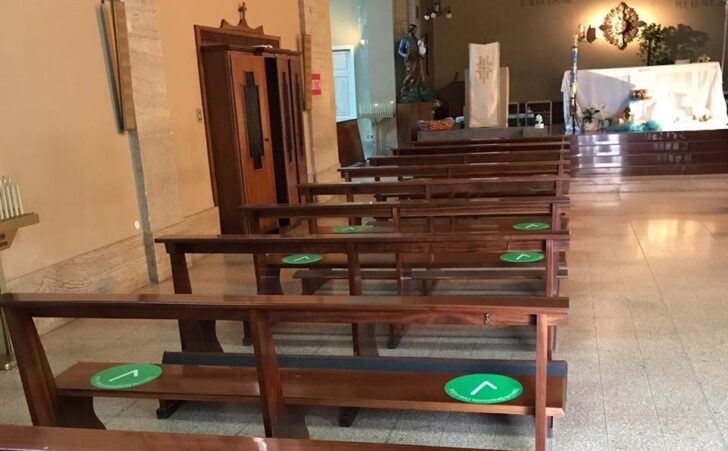
  • Confessions have to be heard in an area large enough to maintain social distance but also allow the privacy that the sacrament requires. Both the priest and the faithful have to wear a face mask.
  • Where the venue makes it impossible to comply with all those requirements, open air celebrations are permitted.
  • The live streaming of services on the internet is encouraged in order to involve those who cannot attend.

It is time to restore public worship in Ireland as well. Irish Churches and the State can take inspiration from this protocol or from others that have been presented to the public and adapt them to the local circumstances.

Churches and other religious venues across the world are reopening or laying plans to do so, even in countries that have experienced severe outbreaks.

In Austria celebrations will resume on May 15th, in France at the beginning of June, while in Germany public worship has been already permitted again.

Obviously public health must be taken in serious considerations, and those protocols aim at reducing the risk for all the attendants, but there are many reasons why the reopening of religious places shouldn’t be delayed.

Besides the right to practice religion, which should only be limited in exceptional circumstances and for a limited period, there are also mental health considerations in support of public religious celebrations.

Particularly in difficult times, for many people a church is the best place to mourn the deceased or celebrate new life.

Worship is for many believers a source of consolation and hope. In prayer they find strength and motivation. In attending a church, they experience the support of a community and are encouraged to engage in activities that can be useful to themselves and to others. They are proactive and respond better to the struggles of life.

This week,Tyler VanderWeele, a Professor of Epidemiology at Harvard University, presented the results of new research which affirmed the benefits of attending religious services.

The study found that religious participation serves as an important antidote to despair. It gives a sense of hope and meaning to those who pray and, as a consequence, they have a lower risk of deaths related to drugs, alcohol, and suicide.

The scientists say that “religion may be associated with strengthened psychosocial resilience by fostering a sense of peace and positive outlook, promoting social connectedness, and encouraging engagement in prosocial activities.”

The impact of the lockdown on our mental health is something that has not been properly explored yet but it is hard to deny that restoring public celebrations will have a positive effect.

If other countries are going in that direction, there is no excuse for Ireland to wait until the end of July.

Posted by Angelo at 10:58 AM Nessun commento:
Labels: cristianesimo, Gript, Ireland, religion, religious freedom
Post più recenti Post più vecchi Home page
Iscriviti a: Commenti (Atom)

Aiutami su Patreon

Become a Patron!

My podcast

Angelo Bottone · My podcast

Cerca nel blog

Post più popolari

  • (senza titolo)
  • L'appuntamento della carità
    Caro Benigno, mi è frullata per il capo un’idea, e te la mando a dire, anche perché desidero sapere da te come dovrei fare per venirne a ca...
  • Will we ever have an honest discussion about divorce in Ireland?
      Divorce will affect children for the rest of their lives, well into adulthood, but people don’t want to hear this because it makes them fe...
  • I don't care if you don't care
    Dopo attenta valutazione, confermo il mio giudizio negativo sull'ultimo degli U2. Niente di nuovo e niente di veramente emozionante. D...
  • Katherine Zappone’s madly contradictory views on Church and State
    Following a meeting between Catholic bishops and Government representatives last week, Children’s Minister Katherine Zappone, who was n...
  • (senza titolo)
    Stamattina ho 'sottomesso il papero' ossia ho ho presentato il mio elaborato e ora posso un po' tornare alla vita normale. Do...
  • (senza titolo)
    Stamattina ho letto il giornale, l'Irish Times . Non lo faccio tutti i giorni, mi interessa piu' quel che succede in Italia. C...
  • (senza titolo)
    Oggi in biblioteca ho visto un ragazzo cinese che leggeva Empire di Toni Negri e Michael Hardt. Mi ha colpito la faccia, a dir poco perple...
  • Quali sono i filosofi italiani famosi all'estero?
    Da qualche giorno Google fornisce un nuovo servizio: Google Scholar , un motore di ricerca limitato alle pubblicazioni accademiche. Tra le a...
  • Exploring the link between family breakdown and anti-social behaviour
      When we see reports about anti-social behaviour and criminality – for example, the ramming of a garda car in Dublin this week – no-one eve...

Etichette

Iona Institute (304) Ireland (173) auro d'alba (93) abortion (82) assisted suicide (56) Euthanasia (40) religion (38) Irlanda (37) covid-19 (35) UK (33) I-Fam (31) marriage (31) Newman (28) eutanasia (27) bioethics (26) referendums (23) religious freedom (22) Chesterton (21) Christianity (21) IVF (21) Bitchute (20) surrogacy (19) demography (18) aborto (15) Cardini (14) medicine (14) canada (12) Soundcloud (11) United Nations (10) sex education (10) conscientious objection (9) Divorce (8) Northern Ireland (8) ahr (8) children (8) philosophy (8) Gender (7) Gript (7) down syndrome (7) eugenics (7) filosofia (7) united states (7) Europe (6) LBRY (6) Netherlands (6) Vittorio Giuseppe Bottone (6) ethics (6) family (6) fertility (6) Copertino (5) Gulisano (5) distributism (5) music (5) science (5) suicidio assistitto (5) vaccines (5) AI (4) Atheism (4) Belgium (4) France (4) Marco Sermarini (4) Odysee (4) ProVita (4) SCOTUS (4) church (4) conscience (4) fecondazione artificiale (4) mental health (4) pornography (4) Abruzzo (3) China (3) Cina (3) Facebook (3) Jaki (3) Nigeria (3) Nord Irlanda UK (3) Pope Francis (3) Surrogata (3) cristianesimo (3) human rights (3) medicine. (3) scuola chesterton (3) suicidio assistito (3) Africa (2) Augusto Del Noce (2) Australia (2) Austria (2) Biden (2) Casadei (2) Citizens' Assembly (2) Europa (2) FAFCE (2) Germany (2) Inghilterra (2) Iona Institute. (2) Islam (2) Jervolino (2) Malatesta (2) Mary McAleese (2) Osservatore Romano (2) Pakistan (2) Preghiera (2) Radio Maria (2) Sanger (2) Schools (2) Stati Uniti (2) Tolkien (2) Twitter (2) UCD (2) US (2) USA (2) agism. (2) arte (2) bullying (2) child care (2) day care (2) demografia (2) happiness (2) new age (2) organ donation (2) phenomenology (2) poesia (2) politics (2) pomilio (2) ratzinger (2) sex (2) teologia (2) woman. (2) Afghanistan (1) Akira The Don (1) Antonino Drago (1) Armenia (1) Barzaghi (1) Belloc (1) Bibbia (1) Brague (1) Catholic Church (1) Christmas (1) Crowder (1) David Quinn (1) Debray (1) Domenico Ciampoli (1) Dostoevskij (1) Dublino (1) Duhem (1) ECHR (1) ESRI (1) Eckhart (1) Eco (1) Eluana (1) Embree (1) Emiliano Fumaneri (1) European Parliament (1) FUCI (1) Ferrara (1) Finland (1) Florenskij (1) Francesca Lozito (1) Francia (1) Frullone (1) Fusaro (1) Gerard Casey (1) Gianluca Marletta (1) Giovanna D'Arco (1) Guardini (1) Guareschi (1) Irlanda. (1) Jordan Peterson (1) Kate Dawson (1) Lancet (1) Lewis (1) Literature (1) Lozito. (1) Luca Fumagalli (1) MacManus. (1) Manning (1) Mario Pomilio (1) Menotti. (1) Messori (1) Milano (1) Miriano (1) Mumford (1) Netherland (1) New Zealand (1) Notre Dame (1) Olive Custance (1) Oscar Wilde (1) Pace (1) Papa Francesco (1) Parigi (1) Parler (1) Parolin (1) Pell (1) Photo (1) Poland (1) Pontiggia (1) Queen (1) Raffaele Fraticelli (1) Rush (1) SSM (1) Scotland (1) Silvana De Mari. (1) Sinn Fein (1) Soros (1) Steiner (1) Tom Holland (1) Trump (1) Van Halen (1) Vaticano. (1) Verona (1) WCF (1) Wittgenstein (1) Yeats (1) Zappone (1) abortion. (1) abuse (1) agnosticism (1) bioethics. (1) censorship (1) chretien (1) comics (1) conscientious objection. (1) contraception (1) donazione (1) donna. (1) dublino irlanda dublin (1) eclj (1) election (1) eu (1) famiglia (1) family solidarity (1) foto (1) frank duff (1) fumetti (1) homeschool (1) housing (1) internet (1) iraq (1) kearney (1) legion of mary (1) letteratura (1) man (1) manzoni (1) maritain (1) marriage ireland (1) matrimonio (1) medicina (1) morra (1) nuns (1) obiezione (1) parenting (1) poetry (1) progressive (1) prosa (1) scienza (1) stamps (1) substack (1) sweden (1) synod (1) taxation (1) theology (1) traduzione religione (1) trans (1) unesco (1) uomo (1)

Archivio blog

  • ►  2025 (127)
    • ►  novembre (10)
    • ►  ottobre (6)
    • ►  settembre (6)
    • ►  agosto (11)
    • ►  luglio (4)
    • ►  giugno (10)
    • ►  maggio (11)
    • ►  aprile (28)
    • ►  marzo (33)
    • ►  febbraio (4)
    • ►  gennaio (4)
  • ►  2024 (90)
    • ►  dicembre (5)
    • ►  novembre (4)
    • ►  ottobre (3)
    • ►  settembre (5)
    • ►  agosto (7)
    • ►  luglio (12)
    • ►  giugno (10)
    • ►  maggio (6)
    • ►  aprile (5)
    • ►  marzo (19)
    • ►  febbraio (9)
    • ►  gennaio (5)
  • ►  2023 (71)
    • ►  dicembre (6)
    • ►  novembre (4)
    • ►  ottobre (4)
    • ►  settembre (6)
    • ►  agosto (4)
    • ►  luglio (5)
    • ►  giugno (4)
    • ►  maggio (4)
    • ►  aprile (10)
    • ►  marzo (7)
    • ►  febbraio (6)
    • ►  gennaio (11)
  • ►  2022 (83)
    • ►  dicembre (4)
    • ►  novembre (7)
    • ►  ottobre (7)
    • ►  settembre (7)
    • ►  agosto (5)
    • ►  luglio (9)
    • ►  giugno (4)
    • ►  maggio (5)
    • ►  aprile (4)
    • ►  marzo (6)
    • ►  febbraio (8)
    • ►  gennaio (17)
  • ►  2021 (113)
    • ►  dicembre (8)
    • ►  novembre (17)
    • ►  ottobre (9)
    • ►  settembre (8)
    • ►  agosto (6)
    • ►  luglio (16)
    • ►  giugno (6)
    • ►  maggio (4)
    • ►  aprile (9)
    • ►  marzo (7)
    • ►  febbraio (10)
    • ►  gennaio (13)
  • ▼  2020 (211)
    • ►  dicembre (14)
    • ►  novembre (17)
    • ►  ottobre (15)
    • ►  settembre (14)
    • ►  agosto (15)
    • ►  luglio (20)
    • ►  giugno (19)
    • ▼  maggio (29)
      • ANCIENT BARDS - Fantasy's Wings
      • Getting the facts right about reversing effects of...
      • Discriminati tra i discriminati: sono gli studenti...
      • Ireland will be one of the last countries to resto...
      • Should those in charge get priority treatment in a...
      • Vincenzo Cappelletti
      • La preghiera è un'educazione
      • L’Europa frantumata davanti alla libertà religiosa
      • French and German judges rule against Covid-bans o...
      • L'Ascensione al cielo di Cristo
      • Religious practice reduces 'death by despair'
      • Ireland will be one of the last countries in Europ...
      • Mater semper certa. Perché l’essere umano non è un...
      • How do we safely restore public worship?
      • How religious sisters are the real founders of mod...
      • New law takes an axe to the natural ties
      • The Italians agreed a protocol for return to publi...
      • La pandemia della spesa militare
      • Religious practice reduces ‘deaths from despair’
      • La mia presenza sui social
      • Cari amici di Newman, È con grande gioia che il no...
      • S’infittisce l’ombra di George Soros sulla Corte e...
      • How religious practice is adapting to the lockdown
      • New law takes an axe to the natural ties
      • Light - Ancient Bards
      • Bella intervista a Valentina Conti. Le pratiche na...
      • Ho aggiunto un paio di widget sulla sinistra. Vi p...
      • On the balance of goods
      • 1 maggio 1908
    • ►  aprile (25)
    • ►  marzo (11)
    • ►  febbraio (21)
    • ►  gennaio (11)
  • ►  2019 (196)
    • ►  dicembre (15)
    • ►  novembre (16)
    • ►  ottobre (5)
    • ►  settembre (19)
    • ►  agosto (5)
    • ►  luglio (22)
    • ►  giugno (18)
    • ►  maggio (19)
    • ►  aprile (19)
    • ►  marzo (18)
    • ►  febbraio (18)
    • ►  gennaio (22)
  • ►  2018 (85)
    • ►  dicembre (21)
    • ►  novembre (29)
    • ►  ottobre (5)
    • ►  settembre (7)
    • ►  agosto (4)
    • ►  luglio (4)
    • ►  giugno (2)
    • ►  maggio (4)
    • ►  aprile (1)
    • ►  marzo (3)
    • ►  febbraio (3)
    • ►  gennaio (2)
  • ►  2017 (42)
    • ►  dicembre (1)
    • ►  novembre (4)
    • ►  ottobre (3)
    • ►  settembre (3)
    • ►  agosto (2)
    • ►  luglio (4)
    • ►  giugno (2)
    • ►  maggio (4)
    • ►  aprile (2)
    • ►  marzo (4)
    • ►  febbraio (9)
    • ►  gennaio (4)
  • ►  2016 (137)
    • ►  dicembre (1)
    • ►  novembre (7)
    • ►  ottobre (4)
    • ►  settembre (11)
    • ►  agosto (2)
    • ►  luglio (14)
    • ►  giugno (7)
    • ►  maggio (13)
    • ►  aprile (10)
    • ►  marzo (24)
    • ►  febbraio (26)
    • ►  gennaio (18)
  • ►  2015 (37)
    • ►  dicembre (17)
    • ►  novembre (2)
    • ►  ottobre (1)
    • ►  luglio (3)
    • ►  giugno (4)
    • ►  maggio (2)
    • ►  aprile (2)
    • ►  marzo (2)
    • ►  febbraio (2)
    • ►  gennaio (2)
  • ►  2014 (79)
    • ►  dicembre (12)
    • ►  novembre (6)
    • ►  ottobre (14)
    • ►  settembre (6)
    • ►  agosto (2)
    • ►  luglio (1)
    • ►  giugno (5)
    • ►  maggio (4)
    • ►  aprile (7)
    • ►  marzo (6)
    • ►  febbraio (7)
    • ►  gennaio (9)
  • ►  2013 (98)
    • ►  dicembre (10)
    • ►  novembre (12)
    • ►  ottobre (12)
    • ►  settembre (2)
    • ►  agosto (15)
    • ►  luglio (18)
    • ►  giugno (15)
    • ►  aprile (5)
    • ►  marzo (3)
    • ►  febbraio (4)
    • ►  gennaio (2)
  • ►  2012 (49)
    • ►  dicembre (4)
    • ►  novembre (3)
    • ►  ottobre (4)
    • ►  settembre (5)
    • ►  agosto (6)
    • ►  luglio (4)
    • ►  giugno (3)
    • ►  maggio (5)
    • ►  aprile (3)
    • ►  marzo (4)
    • ►  febbraio (4)
    • ►  gennaio (4)
  • ►  2011 (60)
    • ►  dicembre (10)
    • ►  novembre (3)
    • ►  ottobre (1)
    • ►  settembre (2)
    • ►  agosto (2)
    • ►  luglio (7)
    • ►  giugno (3)
    • ►  maggio (5)
    • ►  aprile (2)
    • ►  marzo (5)
    • ►  febbraio (6)
    • ►  gennaio (14)
  • ►  2010 (164)
    • ►  dicembre (12)
    • ►  novembre (13)
    • ►  ottobre (11)
    • ►  settembre (8)
    • ►  agosto (9)
    • ►  luglio (13)
    • ►  giugno (17)
    • ►  maggio (14)
    • ►  aprile (20)
    • ►  marzo (15)
    • ►  febbraio (15)
    • ►  gennaio (17)
  • ►  2009 (280)
    • ►  dicembre (18)
    • ►  novembre (29)
    • ►  ottobre (30)
    • ►  settembre (47)
    • ►  agosto (37)
    • ►  luglio (21)
    • ►  giugno (10)
    • ►  maggio (7)
    • ►  aprile (12)
    • ►  marzo (16)
    • ►  febbraio (31)
    • ►  gennaio (22)
  • ►  2008 (113)
    • ►  dicembre (9)
    • ►  novembre (9)
    • ►  ottobre (18)
    • ►  settembre (7)
    • ►  agosto (4)
    • ►  luglio (10)
    • ►  giugno (13)
    • ►  maggio (9)
    • ►  aprile (4)
    • ►  marzo (6)
    • ►  febbraio (10)
    • ►  gennaio (14)
  • ►  2007 (122)
    • ►  dicembre (8)
    • ►  novembre (27)
    • ►  ottobre (1)
    • ►  settembre (9)
    • ►  agosto (9)
    • ►  luglio (6)
    • ►  giugno (9)
    • ►  maggio (21)
    • ►  aprile (5)
    • ►  marzo (14)
    • ►  febbraio (6)
    • ►  gennaio (7)
  • ►  2006 (151)
    • ►  dicembre (2)
    • ►  novembre (12)
    • ►  settembre (7)
    • ►  agosto (4)
    • ►  luglio (15)
    • ►  giugno (23)
    • ►  maggio (24)
    • ►  aprile (16)
    • ►  marzo (14)
    • ►  febbraio (15)
    • ►  gennaio (19)
  • ►  2005 (361)
    • ►  dicembre (20)
    • ►  novembre (22)
    • ►  ottobre (26)
    • ►  settembre (23)
    • ►  agosto (30)
    • ►  luglio (13)
    • ►  giugno (57)
    • ►  maggio (57)
    • ►  aprile (35)
    • ►  marzo (26)
    • ►  febbraio (23)
    • ►  gennaio (29)
  • ►  2004 (322)
    • ►  dicembre (30)
    • ►  novembre (46)
    • ►  ottobre (35)
    • ►  settembre (33)
    • ►  agosto (8)
    • ►  luglio (13)
    • ►  giugno (22)
    • ►  maggio (28)
    • ►  aprile (16)
    • ►  marzo (29)
    • ►  febbraio (36)
    • ►  gennaio (26)
  • ►  2003 (515)
    • ►  dicembre (21)
    • ►  novembre (43)
    • ►  ottobre (45)
    • ►  settembre (60)
    • ►  agosto (15)
    • ►  luglio (38)
    • ►  giugno (41)
    • ►  maggio (50)
    • ►  aprile (49)
    • ►  marzo (43)
    • ►  febbraio (58)
    • ►  gennaio (52)
  • ►  2002 (436)
    • ►  dicembre (53)
    • ►  novembre (63)
    • ►  ottobre (71)
    • ►  settembre (65)
    • ►  agosto (17)
    • ►  luglio (19)
    • ►  giugno (30)
    • ►  maggio (25)
    • ►  aprile (22)
    • ►  marzo (40)
    • ►  febbraio (31)

Visualizzazioni ultima settimana

Mastodon feed

Twitter feed

Follow @angelo_bottone Tweets by angelo_bottone
Tema Fantastico S.p.A.. Powered by Blogger.