In the middle of the current crisis, it is easy to miss other stories. One is that we have had a bad few days for freedom of conscience, speech and association in various parts of Europe. For example, on March 12th last week, both the Supreme Court of the United Kingdom and the European Court of Human Rights refused to hear cases that would protect the freedoms of those opposed to abortion.
The first refers to a Public Space Protection Order introduced in April 2018 by the London Borough of Ealing. The order bans activities such as public prayer or offers of help to women considering abortion in the vicinity of abortion clinics in the Ealing area. The ban was challenged by Alina Dulgheriu, a young mother who changed her mind about having an abortion after speaking to pro-life activists near an abortion facility.
Ms Dulgheriu said the ban imposed by Ealing Borough violates fundamental rights such as freedom of speech and freedom of assembly. She challenged the Ealing Council’s order twice unsuccessfully until her case reached the Supreme Court, which has now rejected her appeal.
The second and even more serious case involving two midwifes working in Sweden who said they would not help to carry out abortions on the ground of conscientious objection. Sweden, which has the reputation of being tolerant and liberal, is one of the very few countries where conscientious objection to abortion is not recognised by law.
The midwives in question, Ellinor Grimmark and Linda Steen said that they could not practice their profession if were obliged to help with abortions by their employers. They had lost several cases in Sweden and now the European Court of Human Rights has declared the two applications inadmissible, confirming that the position of the Swedish authorities.
The Court’s decision deprives those women of the right to conscientious objection and it is even more worrying as it could be extended to other medical professionals.
The European Centre for Law and Justice claimed the decision represents a “moral regression” and a complete departure from previous judgements of the Court. It has also expressed doubts about the impartiality of the three judges involved in this case, as one of them is a past member of the Swedish Gender Equality Agency while another has been involved in feminist activities since the 1980s.
The aforementioned Ms. Dulgheriu is now considering bringing her case to European Court of Human Rights, but the decision concerning the midwives is not encouraging.
In both the British and the Swedish cases we see that the right to have an abortion is now considered so fundamental that it prevails when there is a conflict with other important rights such as freedom of conscience, or speech, or of assembly. Abortion is now so established in our culture that everything else is deemed secondary and has to be sacrificed. The recent court decisions confirm that the slippery slope is real, once the right to life is infringed all other fundamental rights will inevitably suffer.
A landmark rule has recognised the right for German pharmacists to refuse to sell the so-called morning after pill (MAP) on grounds of conscience. No such right has ever been recognised in Ireland. The drug is used as a post-coital contraceptive but, when conception occurs, it also prevents implantation in the uterine wall, causing the death of the embryo.
The German case occurred when a pharmacist who based in Berlin refused to stock or sell the drug was and reported to the Pharmacists’ Chamber. He then took the matter to the Professional Court of the Administrative Court of Berlin, which ruled in his favour, but the case could continue if the Chamber appeals.
It was the first time that a court addressed the matter in Germany. Other European countries, Italy or Spain for instance, have recognised such a right through court ruling or legislation.
“Personal beliefs and conscience influence all areas of a person’s life and are not simply laid down in a professional setting. This pharmacist in Berlin faced legal proceedings for choosing to act in line with his conscience. The court recognized that he did not violate the law and should not be forced to act against his personal convictions,” said Felix Böllmann, Legal Counsel for Alliance Defending Freedom International, which is the advocacy organization that has supported the pharmacist in this case.
Provision for conscientious clauses are more common for other health professionals but pharmacists often find their rights not protected.
This is the case in Ireland where no law or code explicitly recognises conscientious objection rights for pharmacists.
The morning after pill is not classified as an abortifacient under Irish law, even if it has the possible effect of killing a newly formed human being.
In the recently updated Code of Conduct of the Pharmaceutical Society of Ireland (PSI) there is no reference to freedom of conscience, religion or belief.
Conscientious objection is not provided explicitly, and it is mentioned only once, simply in order to emphasis the limits of its scope. Addressing the pharmacist, the Code says: “[You] must refer patients to an alternative provider if you cannot provide a professional service or medicinal product, including in the case of conscientious objection, ensuring that patient care is not jeopardised or compromised” (p. 9)
In theory, one way for a pharmacist to avoid the direct selling of the drug is through an expedient. They could simply not stock the drug in their premises and therefore circumvent the obligation to sell. But as the Code still oblige them to refer patients to an alternative provider, they are practically forced to act against their conscience anyway and to participate to a course of action that potentially kills a human being. Moreover, this limited expedient is not available to those who work in a pharmacy where they have no control on what is sold.
A pharmacist could also take a constitutional case and see if the Irish courts would recognise their rights that way but as of now, pharmacists have no explicitly recognised right to refuse to sell drugs like the morning after pill.
This is astonishing and it was noted in a report produced by the Observatory on Intolerance and Discrimination Against Christians in Europe. “The Irish constitution has strong religious freedom protections, but if a pharmacist is unwilling to sell the morning after pill he would have to take his employer to court and plead for his constitutional rights. This could be very expensive and therefore most pharmacists with an objection to abortifacients in practice either sell them or quit their job.”
The new Code of Conduct of the PSI never mentions conscience, as if it has no part in the profession. On the contrary, the aspiration to prevent diseases, to heal, and to take care is a deeply ethical element in the job of pharmacists. Denying conscience and its rights represents a fundamental disavowal of the moral dimension that leads their work.
Domenica 13 ottobre a Roma in piazza san Pietro papa Francesco innalzerà agli onori degli altari John Henry Newman, già fatto beato nel 2010 da papa Benedetto. È stato un testimone grandioso della fede cattolica a partire dalla quale ha speso la sua vita difendendo non solo la verità e la Chiesa, ma la ragione stessa dalle riduzioni positivistiche ed empiriste.
La sua vita, nasce nel 1801, è disseminata da momenti “critici” che lo costringono ad andare a fondo alla tradizione consegnatagli dalla famiglia, dal contesto sociale, dalla Chiesa anglicana del suo tempo. Educato, come gli altri suoi cinque fratelli, dai genitori ad una religiosità devozionale e sentimentale, sente urgere dalla sua intelligenza davvero precoce esigenze che non possono essere soddisfatte nell’ambito della sola sfera emotiva e per questo a dodici anni prova incredulità e indifferenza per la religione trasmessa dalla famiglia. Come poi dirà nell’Apologia pro vita sua, scoprirà a sedici, diciassette anni l’evidenza della esistenza di Dio e, da pastore anglicano, inizia la sua predicazione attivando temi e modalità comunicative di cui i Sermoni anglicani sono un esempio suggestivo del suo carattere appassionato e convincente. La chiesa anglicana subisce tuttavia una forte ingerenza da parte dello Stato liberal laicista che provoca una forte insofferenza negli spiriti più religiosamente attenti e desiderosi di una reale libertà religiosa.
Lentamente, a partire dai primi anni Quaranta, si fa strada in Newman l’idea di un avvicinamento alla Chiesa cattolica, avvertita come un compimento dogmatico, morale e sociale di un cammino mai interrotto di ricerca della verità. Il frutto di questa appassionata investigazione è costituito dallo Sviluppo della dottrina cristiana. Nel 1845 divenne ufficiale la conversione cattolica di Newman e dopo due anni fu fatto sacerdote.
L’uomo più pericoloso d’Inghilterra
Dal momento della sua conversione la sua vita fu disseminata di sofferenza, di attacchi violenti da parte degli anglicani e quindi della stampa, da parte degli old catholics che come furie si scagliarono contro di lui perché attraverso l’esperienza dell’Oratorio, titolato a san Filippo Neri, suscitò lo spirito evangelizzatore nei laici. Questa apertura di Newman ai laici nella Chiesa provocò un’alzata di scudi da parte del clero che vedeva insidiata la propria esclusiva competenza clericale. Si pensi che monsignor Talbot, Cameriere pontificio di Pio IX, dichiarò pubblicamente che il Dr. Newman era l’uomo più pericoloso d’Inghilterra!
Non mancò l’ostilita dei cardinali inglesi forse (?) gelosi dei tanti che si convertirono al cattolicesimo e dettero pubblicamente testimonianza della propria fede in un contesto in cui i convincimenti personali dovevano rimanere custoditi privatamente. Le circostanze obbligarono Newman, personalità riservata, schiva, umile, a polemizzare con tutti coloro che attaccavano la verità e la Chiesa cattolica. Non fu mai il suo un atteggiamento “polemico“ e animato da risentimento, ma garbato e nel contempo inflessibilmente razionale tanto che ciò irritò ancor più i suoi avversari.
La fede è un fidarsi
Nella temperie culturale scettica e dubitosa del XIX secolo, sopratutto all’interno del “liberalismo religioso” contro cui Newman ha speso le sue forze intellettuali e pastorali, esce un suo saggio rigoroso e decisivo a sostegno della fede in quanto tale, La Grammatica dell’assenso. Sarebbe lungo, e forse inutile, disquisire sul carattere filosofico o teologico di questa opera che comunque è sia l’una che l’altra. La lettura della Grammatica è certamente impegnativa, ma entusiasmante e vale la pena il tentativo di raccontarla. Fin dall’inizio ci incontriamo con un paradosso: può un uomo semplice, un credente non specializzato in teologia né in altre discipline complesse avere una fede razionalmente robusta? Tutta l’opera ha un carattere apologetico e dimostrativo di questa possibilità. Potremmo tradurre il titolo con un’espressione teologica: la struttura dell’atto di fede. La fede, osserva Newman, non è una cosa strana che riguarda persone bizzarre, poco razionali, ma investe tutta la Vita pratica nel quotidiano “fidarsi” della propria memoria, di ciò che vediamo e tocchiamo.
La coscienza è un testimone
Naturalmente, più cresce la complessità delle cose da credere, più motivato deve essere l’atto di assenso a ciò che crediamo. Osserva Newman che «la coscienza che abbiamo di noi stessi precede ogni questione di fiducia o di assenso». La coscienza, altresì, non produce la verità, ma ne è testimone. La fede non è cosa per creduloni, ma implica sempre una apprensione di ciò che intendiamo credere. Vi sono due tipi di apprensione: apprensione nozionale e apprensione reale. Quella nozionale può essere una apprensione di un proposizione logica formulata da un sillogismo o anche l’apprensione teologica di un dogma. L’apprensione reale si rivolge ad una esperienza, ad una cosa reale. Quanto è più reale la cosa appresa, tanto più provoca in noi un assenso incondizionato. Così opera la mente ai cui processi Newman dedica analisi suggestive nell’intento di normare e supportare razionalmente la umana predisposizione.
«Quando sia realmente appresa, la proposizione “V’è un Dio” riceve un’adesione energica che opera una vera rivoluzione nella mente, mentre accolta appena come nozione essa non richiede che un consenso freddo, inoperante. Tale è il tipo di assenso di migliaia di persone la cui immaginazione non è accesa, i cui cuori non sono infiammati e le cui azioni non sono modificate dalla verità».
Da qui può insinuarsi nella mente il tarlo del dubbio, che è sempre sospensione del giudizio, patologia ricorrente nell’uso della ragione. L’adesione alla certezza, con tutto l’essere ne indica invece il fisiologico equilibrio. La razionalità implicata nell’atto di fede e la razionalità in quanto tale che sta a fondamento della stessa razionalità della scienza e non viceversa. Newman non prende le mosse da una logica astratta (un buon sillogismo non ha mai cambiato nessuno), ma dall’esperienza: quella del credente, dello scienziato, dell’uomo qualunque che in fondo al cuore sente il bisogno di accostarsi e scoprire il Vero perché intuisce che li c’è la sua salvezza.
Quando fu fatto cardinale
Nel 1879 John Henry Newman fu fatto cardinale da papà Leone XIII. Il 12 maggio di quell’anno il Papa lo accoglie con grande affetto e gratitudine per la sua vita spesa per la verità e per la Chiesa cattolica. La cerimonia è carica di commozione e l’anziano sacerdote inglese, malato e smagrito, con i suoi capelli argentei e il nobile profilo del suo volto, pronunzia la sua prolusione di fronte a tutti. Vale la pena riportarne un parte per quanto essa contiene. Dopo aver confidato che nella sua vita ha fatto molti sbagli, aggiunge che non ha mai avuto interessi personali in ciò che ha fatto, ha sempre manifestato ferma obbedienza e mostrato disponibilità ad essere corretto. E continua dicendo
«Godo nel dire che a un gran male mi sono opposto fin dal principio. Per trenta, quaranta, cinquant’anni anni ho resistito, con tutte le mie forze, allo spirito del liberalismo religioso, e mai la Chiesa ebbe come oggi più urgentemente bisogno di oppositori contro di esso, mentre, ahimè, questo errore si stende come una rete su tutta la terra». «Il liberalismo religioso è la dottrina secondo la quale non esiste nessuna verità positiva in campo religioso, ma che qualsiasi credo è buono come qualunque altro; e questa è la dottrina che, di giorno in giorno, acquista consistenza e vigore. Questa posizione è incompatibile con ogni riconoscimento di una religione come vera. Esso insegna che tutte sono da tollerare, in quanto sono tutte materia di opinione. La religione rivelata non è verità, ma sentimento e gusto, non fatto obiettivo (…) Ogni individuo ha diritto a interpretarla a modo suo (…) Si può andare nelle chiese protestanti e in quelle cattoliche; si può ristorare lo spirito in ambedue e non appartenere a nessuna. Si può fraternizzare insieme in pensieri e affari spirituali, senza avere dottrina comune o vederne la necessità. Poiché la religione è un fatto personale e un bene esclusivamente privato, la dobbiamo ignorare nei rapporti reciproci».
(Da: Osservatore Romano, 14 maggio 1879)
After a long and costly battle, Ashers Bakery from Belfast, which is owned and operated by a Christian couple, has been vindicated. Ashers had refused to bake a cake that was to be iced with the words “Support Gay Marriage.” The ruling is a very important one for freedom of conscience.
The case refers to Mr Gareth Lee, an activist from a group called Queerspace, who in 2014 placed an order for a cake to be iced with a cartoon design and above wording. The McArthurs, the Christian family that runs Ashers, decided that they could not in conscience produce a cake with that slogan and so should not fulfil the order. The fact that Mr Lee was gay was not known to the McArthurs, who served him in the past. They objected to this request, but they had no problem with offering him other services.
Mr Lee complained to the Equality Commission for Northern Ireland (ECNI) about the cancellation of his order and the ECNI supported him in bringing this claim for direct and indirect discrimination on grounds of sexual orientation, religious belief or political opinion.
In 2015, the Presiding District Judge held that refusing to complete the order was direct discrimination on all three grounds and awarded Mr Lee damages. The Court of Appeal confirmed this rule, and so the Ashers appealed to the Supreme Court in a bid to overturn the judgement.
The Supreme Court had to decide whether it is discrimination for a bakery to refuse to supply a cake with the message “Support Gay Marriage”, because of their belief that gay “marriage” is inconsistent with their faith.
The Court ruled that the Ashers objected to the message, not the messenger. Mr Lee was treated less favourably than other would-be customers not because of his sexual orientation, as he claimed, but because of the message he wanted to be iced on the cake. In fact, a person with a similar request and a different orientation would have been treated in the same way and this is not discrimination, according to the Supreme judges.
“There was no less favourable treatment on this ground because anyone else would have been treated in the same way. The objection was not to Mr Lee because he, or anyone with whom he associated, held a political opinion supporting gay marriage. The objection was to being required to promote the message on the cake. The less favourable treatment was afforded to the message not to the man. … The evidence was that they were quite prepared to serve him in other ways. The situation is not comparable to people being refused jobs, accommodation or business simply because of their religious faith. It is more akin to a Christian printing business being required to print leaflets promoting an atheist message. “, Lady Hale, president of the Supreme Court, wrote.
It is significant that the other four judges agreed with Lady Hale. It was a unanimous verdict that vindicated the long battle of the baking company and the family behind it.
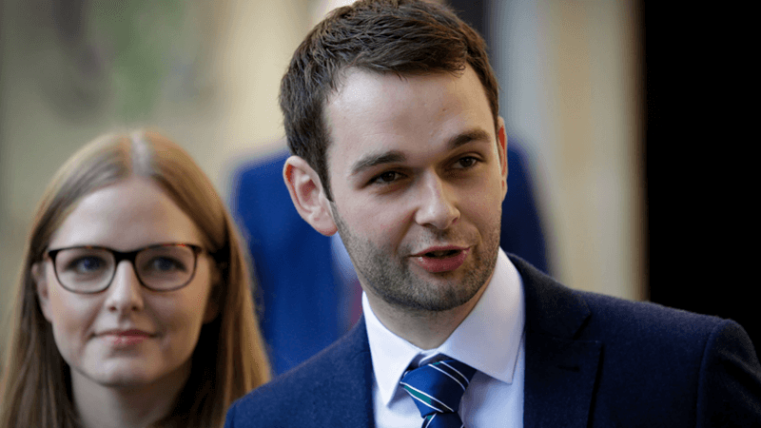
“The judges have given a clear signal today. In fact, it couldn’t be any clearer. Family businesses like ours are free to focus on giving all their customers the best service they can – without being forced to promote other people’s campaigns”, Daniel McArthur, Asher’s General Manager, said. “I know a lot of people will be glad to hear this ruling today, because this ruling protects freedom of speech and freedom of conscience for everyone.”
Oppressive liberalism does not tolerate dissenting opinions. In many countries, activists have targeted florists, photographers, restaurants or bakeries that do not provide services for same-sex marriages, with the purpose of ruining their business. Here in Ireland we see that pro-life doctors will be required by law to refer women seeking abortions to pro-choice doctors.
As Lady Hale indicated, the bakery could as easily have been asked to bake a cake with a slogan denying the existence of God and would have been just as entitled to refuse to do that.
The Supreme Court has now said that declining to do something that promotes a viewpoint you do not support, is not a form of discrimination. This is a victory not only for free speech but also for freedom of conscience. People in business cannot be obliged to support with their work political views they don’t agree with.
This case also raises questions about state bodies, such as the Northern Ireland Equality Commission, that, rather than promoting freedom in all its forms, including religious freedom, often work more like ideological advocacy groups. This was an expensive and divisive case that could have been solved with common sense. The Ashers decided to fight for their own rights but this case will have wider implications and, hopefully, will inspire others not to submit to the pressure of society but to live according to conscience.