
lunedì, ottobre 13, 2014

sabato, ottobre 11, 2014
The Second Vatican Council and John Henry Newman
The Second Vatican Council and John Henry Newman
by Ian Ker
The fiftieth anniversary of the opening of the Second Vatican Council fell two years ago in October 2012. In December next year it will be the fiftieth anniversary of the end of the Council. There is bound to be much discussion in the coming months of the meaning and significance of the Council, its failures, its successes, its misinterpretations, its distortion and exaggerations, its key seminal texts, and its future developments. Blessed John Henry Newman has often been referred to as ‘the Father of the Second Vatican Council’. Although Newman was certainly inspirational for the theologians who were the architects of the Council’s teachings, many of which he had anticipated in the previous century, there is only one place in the conciliar documents where his direct influence can clearly be discerned, the text in the Constitution on Divine Revelation which speaks of the development of doctrine. Even so, in this most seminal of modern theologians, the theologians of the ‘ressourcement’ found a sympathetic and eloquent precursor. The ‘ressourcement’ was a theological school that sought to retrieve the sources of Christianity in the the Scriptures and the Fathers and was anxious to escape from the dead hand of a desiccated neo-scholasticism which had lost touch with the Fathers.
Newman has often suffered from selective quotation by people on the opposing wings of the Catholic Church who seek to present him as either a liberal and progressive or as a highly conservative and even reactionary thinker. But the truth is that Newman must be seen in the full range of his thought. For Newman was neither simply conservative nor liberal but is best described as a conservative radical, always open to new ideas and developments but also always sensitive to the tradition and teachings of the Church.
As an Anglican, his radicalism disconcerted and dismayed conservative high churchmen. As a Catholic, he disappointed the liberals because of his respect for authority. He also angered the Ultramontanes with his openness to change and reform.
More here.
by Ian Ker
The fiftieth anniversary of the opening of the Second Vatican Council fell two years ago in October 2012. In December next year it will be the fiftieth anniversary of the end of the Council. There is bound to be much discussion in the coming months of the meaning and significance of the Council, its failures, its successes, its misinterpretations, its distortion and exaggerations, its key seminal texts, and its future developments. Blessed John Henry Newman has often been referred to as ‘the Father of the Second Vatican Council’. Although Newman was certainly inspirational for the theologians who were the architects of the Council’s teachings, many of which he had anticipated in the previous century, there is only one place in the conciliar documents where his direct influence can clearly be discerned, the text in the Constitution on Divine Revelation which speaks of the development of doctrine. Even so, in this most seminal of modern theologians, the theologians of the ‘ressourcement’ found a sympathetic and eloquent precursor. The ‘ressourcement’ was a theological school that sought to retrieve the sources of Christianity in the the Scriptures and the Fathers and was anxious to escape from the dead hand of a desiccated neo-scholasticism which had lost touch with the Fathers.
Newman has often suffered from selective quotation by people on the opposing wings of the Catholic Church who seek to present him as either a liberal and progressive or as a highly conservative and even reactionary thinker. But the truth is that Newman must be seen in the full range of his thought. For Newman was neither simply conservative nor liberal but is best described as a conservative radical, always open to new ideas and developments but also always sensitive to the tradition and teachings of the Church.
As an Anglican, his radicalism disconcerted and dismayed conservative high churchmen. As a Catholic, he disappointed the liberals because of his respect for authority. He also angered the Ultramontanes with his openness to change and reform.
More here.
venerdì, ottobre 10, 2014

giovedì, ottobre 09, 2014
Newman’s Bones
Newman’s Bones:
This coming October marks the sixth anniversary of the exhumation of Blessed John Henry Cardinal Newman’s corpse. From an austere burial site in a small cemetery near Rednal, Newman’s remains were to be moved—translated, as the term of art has it—to a marble sarcophagus standing opposite All Soul’s Altar in the Birmingham Oratory, the fraternal congregation established by Newman (with Paul IX’s endorsement) shortly following his 1845 reception into the Catholic Church. That the Church should take a keen interest in his corpse was no surprise. No, that interest was and is threaded deeply within a rather ancient pattern of thought that entails, inter alia, the disinterment, dismemberment, and distribution of the traces of the canonized or beatified dead for veneration among the faithful. This is how the Church came by the designator Cultus sanctorum, by performing a curious form of sacramental necrophilism by which Christians give honor to their saints by clinging to their material vestiges: bone, hair, bits of cloth, scapulars, and their like. Or so it goes, ideally.
Newman’s case proved altogether different: this time the Vatican’s request engendered two unanticipated results. The first had to do with public reaction to the request which was swift and, at its highest pitch, blistering. Much of the ruction flowed from the pens of gay activists for whom, the argument runs, a singular motive slouched behind the disinterment—namely quieting whispers regarding the nature of Newman’s intimate and (presumably) romantic attachment to his beloved, Fr. Ambrose of St. John. They held that to translate Newman’s corpse was to ride roughshod over the Cardinal’s repeated wishes to be buried with his confrater. On this view, the Vatican’s actions amounted to little more than ghoulish acts of “grave-robbing, sacrilege, and desecration.” Shots were returned and, as is so often the case in our time, an otherwise stimulating conversation devolved into splashy mudslinging over sexuality.
But the controversy came to nothing when the tomb turned out to be empty. Well, almost. Though Newman’s corpse was mystifyingly absent, there remained a paltry cluster of sundry materials—“brass, wooden, and cloth artifacts.” The empty grave was forensically predictable: according to the opinion of medical professionals present for the exhumation, the sodden clay native to the area, coupled with the mold in which Newman insisted his casket be enshrouded, rendered conditions ideal for the quickened and complete decomposition of a corpse. The Oratorians claim that Newman himself intended the speedy and total erasure of his traces. This they do by stitching together Newman’s burial stipulations with the famed dictum of his patron saint Philip Neri: amare nesciri (love to be unknown). The minor premise slinking beneath the surface here is, of course, that Newman was fully aware of the long-term sequelae effected by the strain of mold selected; he intended, that is, to be expunged.
Yet confirming whether or not this is in fact the case seems to me about as likely as determining without remainder both the object and nature of Newman’s sexual appetite. Investigations of this variety simply risk obscuring the real scandal of the story.
“There is nothing which prejudices us more in the minds of Protestants,” Newman scratched, “than this belief . . . [the relic] is the Protestants’ charge, and it is our glory.” The real scandal of the empty grave is neither the shadowy specter of his sexuality nor enigmatic forensics but rather the Christic passage of memorabilia to relic, from token to icon. So understood, the absence of his corpse serves to invite the living into deeper reflection about and gratitude for the “heavenly shrines” who, Newman incants, “yet live to God.”
We might say (though Newman does not) that all relics find their paradigm in the Eucharist, at once residuum and promise. The residual connection is likely to be plain; less obvious, though, is the eschatological texture of relic veneration. Just as the Eucharistic stains smeared on our lips prefigure the kisses we hope to receive from those of the resurrected Bridegroom, so too does the reliquary stand as an antechamber to the fleshy communion we hope to sustain with his saints. Relics, then, like all sacramentals, are ephemeral. And it’s to this that Newman’s empty tomb, insofar as it stands as simulacrum of Christ’s, bears witness. Even so, death lingers as the necessary and sufficient condition of resurrection; until then, Catholic Christians should and will continue to seek the living among the dead.
“The truth,” Flannery O’Connor once penned, “does not change according to our ability to stomach it. . . . [T}here are long periods in the lives of all of us, and of the saints, when the truth as revealed by faith is hideous, emotionally disturbing, downright repulsive.” It is indeed difficult to imagine a claim in the order of Catholic truth more likely to provoke disgust than the veneration of relics. Call it morbid, call it cultic. Call it holy nausea. It bids us plunge into the depths of Christianity’s harrowing sublimity—into, that is, our ossuaries encrusted with bone, our catacombs whose chambers ancient hymns once filled. This October, in memoriam, let those among us who consider ourselves students, friends, or even venerators of Blessed John Henry Cardinal Newman follow him into the reliquaries he himself haunted.
Justin Coyle is a PhD student in historical theology at Boston College.
Become a fan of First Things on Facebook, subscribe to First Things via RSS, and follow First Things on Twitter.
This coming October marks the sixth anniversary of the exhumation of Blessed John Henry Cardinal Newman’s corpse. From an austere burial site in a small cemetery near Rednal, Newman’s remains were to be moved—translated, as the term of art has it—to a marble sarcophagus standing opposite All Soul’s Altar in the Birmingham Oratory, the fraternal congregation established by Newman (with Paul IX’s endorsement) shortly following his 1845 reception into the Catholic Church. That the Church should take a keen interest in his corpse was no surprise. No, that interest was and is threaded deeply within a rather ancient pattern of thought that entails, inter alia, the disinterment, dismemberment, and distribution of the traces of the canonized or beatified dead for veneration among the faithful. This is how the Church came by the designator Cultus sanctorum, by performing a curious form of sacramental necrophilism by which Christians give honor to their saints by clinging to their material vestiges: bone, hair, bits of cloth, scapulars, and their like. Or so it goes, ideally.
Newman’s case proved altogether different: this time the Vatican’s request engendered two unanticipated results. The first had to do with public reaction to the request which was swift and, at its highest pitch, blistering. Much of the ruction flowed from the pens of gay activists for whom, the argument runs, a singular motive slouched behind the disinterment—namely quieting whispers regarding the nature of Newman’s intimate and (presumably) romantic attachment to his beloved, Fr. Ambrose of St. John. They held that to translate Newman’s corpse was to ride roughshod over the Cardinal’s repeated wishes to be buried with his confrater. On this view, the Vatican’s actions amounted to little more than ghoulish acts of “grave-robbing, sacrilege, and desecration.” Shots were returned and, as is so often the case in our time, an otherwise stimulating conversation devolved into splashy mudslinging over sexuality.
But the controversy came to nothing when the tomb turned out to be empty. Well, almost. Though Newman’s corpse was mystifyingly absent, there remained a paltry cluster of sundry materials—“brass, wooden, and cloth artifacts.” The empty grave was forensically predictable: according to the opinion of medical professionals present for the exhumation, the sodden clay native to the area, coupled with the mold in which Newman insisted his casket be enshrouded, rendered conditions ideal for the quickened and complete decomposition of a corpse. The Oratorians claim that Newman himself intended the speedy and total erasure of his traces. This they do by stitching together Newman’s burial stipulations with the famed dictum of his patron saint Philip Neri: amare nesciri (love to be unknown). The minor premise slinking beneath the surface here is, of course, that Newman was fully aware of the long-term sequelae effected by the strain of mold selected; he intended, that is, to be expunged.
Yet confirming whether or not this is in fact the case seems to me about as likely as determining without remainder both the object and nature of Newman’s sexual appetite. Investigations of this variety simply risk obscuring the real scandal of the story.
“There is nothing which prejudices us more in the minds of Protestants,” Newman scratched, “than this belief . . . [the relic] is the Protestants’ charge, and it is our glory.” The real scandal of the empty grave is neither the shadowy specter of his sexuality nor enigmatic forensics but rather the Christic passage of memorabilia to relic, from token to icon. So understood, the absence of his corpse serves to invite the living into deeper reflection about and gratitude for the “heavenly shrines” who, Newman incants, “yet live to God.”
We might say (though Newman does not) that all relics find their paradigm in the Eucharist, at once residuum and promise. The residual connection is likely to be plain; less obvious, though, is the eschatological texture of relic veneration. Just as the Eucharistic stains smeared on our lips prefigure the kisses we hope to receive from those of the resurrected Bridegroom, so too does the reliquary stand as an antechamber to the fleshy communion we hope to sustain with his saints. Relics, then, like all sacramentals, are ephemeral. And it’s to this that Newman’s empty tomb, insofar as it stands as simulacrum of Christ’s, bears witness. Even so, death lingers as the necessary and sufficient condition of resurrection; until then, Catholic Christians should and will continue to seek the living among the dead.
“The truth,” Flannery O’Connor once penned, “does not change according to our ability to stomach it. . . . [T}here are long periods in the lives of all of us, and of the saints, when the truth as revealed by faith is hideous, emotionally disturbing, downright repulsive.” It is indeed difficult to imagine a claim in the order of Catholic truth more likely to provoke disgust than the veneration of relics. Call it morbid, call it cultic. Call it holy nausea. It bids us plunge into the depths of Christianity’s harrowing sublimity—into, that is, our ossuaries encrusted with bone, our catacombs whose chambers ancient hymns once filled. This October, in memoriam, let those among us who consider ourselves students, friends, or even venerators of Blessed John Henry Cardinal Newman follow him into the reliquaries he himself haunted.
Justin Coyle is a PhD student in historical theology at Boston College.
Become a fan of First Things on Facebook, subscribe to First Things via RSS, and follow First Things on Twitter.
giovedì, ottobre 02, 2014
mercoledì, ottobre 01, 2014


lunedì, settembre 29, 2014
domenica, settembre 28, 2014
ELEMENTI MINIMI PER UNA CRITICA A KARL POPPER. di L. Copertino
Su Avvenire, il quotidiano cattolico, Dario Antiseri ha pubblicato, il 16.09.2014, un ricordo di Karl Raimund Popper e del suo pensiero per indicare quale è, per il noto pensatore, amico di Friedrich August von Hayek, la linea di demarcazione tra una “società aperta” ed una “società chiusa” (1). Antiseri è, notoriamente, innanzitutto un liberale che poi si fregia di professare la fede cattolica. Le basi, però, del pensiero di Antiseri sono in Ludwig Wittgenstein che è come dire nel soggettivismo gnoseologico ed etico. Il che dovrebbe porre ad Antiseri qualche serio problema in ordine al suo cattolicesimo.
Ma, tornando a Popper, è interessante constatare quanto egli abbia frainteso Platone, assimilandolo ai pensatori immanentisti che hanno preparato, nella modernità, la via al totalitarismo politico. Noi non possiamo, in quanto cattolici, gettare alle ortiche il grande ateniese sia perché, con le sue intuizioni circa la Trascendenza, è un anticipatore – certo con molte deficienze dal momento che non conosceva ancora la Rivelazione che stava per giungere da Gerusalemme – della filosofia e dell’etica cristiana, sia perché la sua teoria politica non è affatto totalitaria proprio in quanto essa è aperta verso l’Alto, verso l’intuita Trascendenza della Verità, laddove, invece, a ben osservare, è proprio la “società aperta” popperiana, aperta piuttosto verso il basso quindi effettivamente chiusa alla Trascendenza delle basi teo-antropologiche della vita sociale, a rivelarsi, alla prova storica dei fatti, compiutamente totalitaria ossia compiutamente immanentista, nel senso nel quale, ad esempio, Augusto Del Noce riteneva l’Occidente liberale come un perfetto sistema di reificazione, sotto forma di mercificazione, dell’uomo e quindi come la sconfessione, per eterogenesi dei fini, dell’etica kantiana, fondativa dell’Occidente, per la quale l’uomo deve essere sempre trattato come un fine e mai come una mezzo(2).
Se proprio vogliamo usare una terminologia moderna, la teoria politica di Platone, lungi dall’essere totalitaria, perché non immanentista, è, casomai, una filosofia “autoritaria”, meglio sarebbe dire “autorevole”, dello Stato che è certamente posto, quale Comunità Politica, al di sopra della “società civile” ma senza che gli sia lecito – e laddove trasformandosi in senso immanentista, ossia decadendo, tentasse di farlo tradirebbe illegittimamente la sua natura e vocazione – assorbirla o assorbirne i corpi intermedi, i quali in esso, nella sua orbita e circoscrizione spazio-temporale, vivono liberamente ma da esso sono coordinati e tutelati.
Popper non comprende Platone perché per lui al centro di tutto vi è – si badi! – non la persona ma il fantoccio astratto ed inesistente dell’individuo, entità irreale che pretende di darsi solipsisticamente come unità matematica interagente meccanicamente, ossia contrattualisticamente, con le altre unità individuali. Al contrario, la persona, in una concezione squisitamente personalista e comunitaria che non può assolutamente prescindere dal fondamento trascendente, a meno di non equivocare come fa anche Popper sul significato autentico dell’“organicismo”, non è mai data in astratto ma sempre concretamente in relazione organica, e non contrattuale, con le comunità di appartenenza, dalla famiglia fino alla professione, dal comune fino alla nazione, dalla classe sociale fino alla patria.
Continua qui.
giovedì, settembre 25, 2014
Mario, un cavaliere per amico.
Mario, un cavaliere per amico.:
 di Costanza Miriano
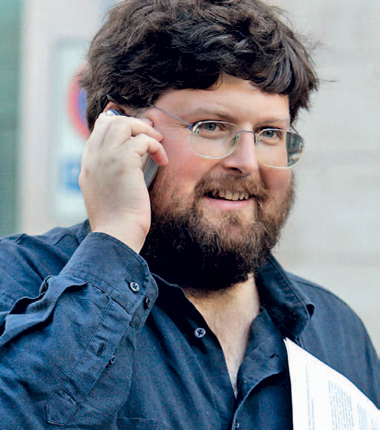
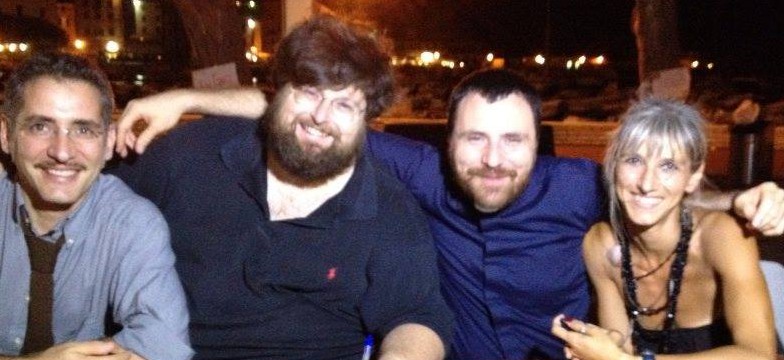
Non so se in cielo facciano il casting, ma per il personaggio del cavaliere che viene da una terra lontana (è tra i fondatori del PD) ad affiancare “le divisioni del Papa” – come avrebbe detto Stalin – io avrei scelto un altro tipo. Che so, uno a cavallo, con una bella armatura. O almeno un serio e stimato professionista in gessato. Non uno separato, sovrappeso, giocatore di poker a livello internazionale, sposato a Las Vegas, un orso che va in giro in tuta e sembra fregarsene delle formalità. Eppure Dio deve essersi innamorato pazzamente di lui (anche io, se mio marito e sua moglie mi passano il termine, adesso che lo conosco sono pazza di lui) perché questo tipo completamente sbagliato per la parte, invece, la sua parte la sta facendo benissimo, come invece tanti di noi bravi negli esercizi di devozione abbiamo dimenticato di fare.
Sì, perché Mario Adinolfi, che appunto ha fondato con altri il più grande partito della sinistra italiana e lo ha rappresentato in Parlamento, giornalista brillante, intelligenza affilata e grande cultura, ha fatto sua la missione di riportare il buon senso perduto nella politica e nell’informazione, e ha scritto un libretto prezioso come il pane (e che come il pane va a ruba). Si chiama Voglio la mamma. Lo ha stampato a sue spese, e chi non lo vuole pagare lo può leggere anche su facebook completamente gratis. Nonostante questo ne ha vendute decine di migliaia di copie, lo porta in giro per l’Italia dove lo invitano sempre di più, e dove riempie piazze e sale. Per annunciare cosa? Per esempio che i bambini hanno bisogno di un padre maschio e di una madre femmina (almeno lei finora era stata garantita, anche in caso di maschi irresponsabili). Per dire che il corpo della donna non può essere sfruttato neanche a pagamento, perché le persone non sono cose. Per ammonire a non comprare i bambini se non si vuole riportare la civiltà duemila anni indietro. Per ricordare che la legge 40 vieta la “produzione” (che brutta parola) in laboratorio di bambini venuti da ovuli e spermatozoi di persone che non faranno poi i genitori di quel bambino, e che quella legge contro l’eterologa è stata approvata in Parlamento ed ha superato una raffica di referendum (mentre la 194 uno solo, e la maggioranza in aula era stata ristrettissima), mentre ora la si sta azzerando a colpi di sentenze della magistratura.
 Per sottolineare che i bambini hanno diritto almeno di sapere da quale storia vengono, come si chiamasse il nonno, se anche lui fosse negato per la matematica e appassionato di montagna, e se la nonna amasse ridere e giocare a carte o sapesse fare i cannelloni. Per chiarire che non si può chiamare “buona morte” l’uccisione di persone malate, solo perché qualcuno ha giudicato che quella vita non fosse degna di essere vissuta, e per gridare al mondo che è orribile che in molti paesi si uccidano così anche i bambini “venuti male”, cioè non corrispondenti alle aspettative dei grandi. Per specificare che non è necessario essere cristiani (e Mario comunque lo è) per vedere certe assurdità, perché la difesa del più debole un tempo era nel codice genetico delle persone di sinistra, mentre oggi un simbolo, un guru di quell’area culturale come Roberto Saviano può definire “reazionaria miopia” quella di chi trova sbagliato consentire le adozioni agli omosessuali: non se ne esce, due maschi o due femmine non possono fare figli, e permettere loro di adottare significa spalancare una porta, un portone sulla mercificazione dei corpi delle donne (non erano loro quelle dell’”utero è mio e me lo gestisco io”? vale solo in Occidente? E le povere donne indiane?) e dei bambini. Certo, sono tutte cose ovvie, non c’era bisogno di scriverci un libro, no?
No. Non sono ovvie. Sennò non si spiegherebbe perché in tanti lo vogliano sentir parlare, comprino il suo libro, fondino circoli per diffonderlo. La verità è che la maggior parte delle persone comuni, cioè quelle che non dirigono né scrivono giornali, o la pensano già come lui, oppure quando lo ascoltano non possono che scoprirsi d’accordo con lui. Già perché Mario, con la sua disarmante ragionevolezza, e con una buona quantità di dati e numeri e fatti incontrovertibili smaschera un sacco di bugie che ci fanno bere quasi tutti i giornali e i telegiornali inneggianti ai falsi miti di progresso (e, chissà come, per inciso, colti da amnesia sulle quotidiane persecuzioni ai cristiani).
E adesso, per fronteggiare la marea montante dell’informazione – sarebbe meglio dire della propaganda – mainstream che pare unanime nel denunciare la barbarie di chi crede ancora nella famiglia tradizionale, di chi si ostina a dire che i figli bisogna generarli alla vecchia maniera, lasciandoli alla madre che li partorisce, oppure adottarli se la madre non se ne può più fare carico, ecco, per fronteggiare le imponenti aggressive avanzate del nulla ha persino deciso di fondare un giornale, e non un quindicinale, ma un quotidiano, un’impresa massacrante e costosissima. Alla mia domanda “ma, scusa, i fondi?” Mario risponde tranquillo che Qualcuno assicurerà lo stesso finanziamento stanziato ai gigli dei campi e agli uccelli del cielo, cioè esattamente tutto l’occorrente. Il quotidiano si chiamerà La Croce e vedrà la luce il 13 gennaio 2015. Non so perché questa data, ma per mia deformazione – controllo sempre il santo del giorno, se non lo ricordo – noto che è il giorno di Sant’Ilario, dottore della Chiesa, fiero avversatore delle eresie. Il suo dono – scrive Benedetto XVI – era “coniugare fortezza nella fede e mansuetudine nel rapporto interpersonale”. Be’, Mario sotto la scorza dell’orso è una delle persone più simpatiche che conosco, e la sua fede, nonostante lui si affanni sempre a dichiarare di essere un peccatore, nonostante a messa si sieda nelle ultime file, nonostante non abbia il look da parrocchia, è una delle più forti che abbia mai visto.
fonte: Credere
 di Costanza Miriano
Non so se in cielo facciano il casting, ma per il personaggio del cavaliere che viene da una terra lontana (è tra i fondatori del PD) ad affiancare “le divisioni del Papa” – come avrebbe detto Stalin – io avrei scelto un altro tipo. Che so, uno a cavallo, con una bella armatura. O almeno un serio e stimato professionista in gessato. Non uno separato, sovrappeso, giocatore di poker a livello internazionale, sposato a Las Vegas, un orso che va in giro in tuta e sembra fregarsene delle formalità. Eppure Dio deve essersi innamorato pazzamente di lui (anche io, se mio marito e sua moglie mi passano il termine, adesso che lo conosco sono pazza di lui) perché questo tipo completamente sbagliato per la parte, invece, la sua parte la sta facendo benissimo, come invece tanti di noi bravi negli esercizi di devozione abbiamo dimenticato di fare.
Sì, perché Mario Adinolfi, che appunto ha fondato con altri il più grande partito della sinistra italiana e lo ha rappresentato in Parlamento, giornalista brillante, intelligenza affilata e grande cultura, ha fatto sua la missione di riportare il buon senso perduto nella politica e nell’informazione, e ha scritto un libretto prezioso come il pane (e che come il pane va a ruba). Si chiama Voglio la mamma. Lo ha stampato a sue spese, e chi non lo vuole pagare lo può leggere anche su facebook completamente gratis. Nonostante questo ne ha vendute decine di migliaia di copie, lo porta in giro per l’Italia dove lo invitano sempre di più, e dove riempie piazze e sale. Per annunciare cosa? Per esempio che i bambini hanno bisogno di un padre maschio e di una madre femmina (almeno lei finora era stata garantita, anche in caso di maschi irresponsabili). Per dire che il corpo della donna non può essere sfruttato neanche a pagamento, perché le persone non sono cose. Per ammonire a non comprare i bambini se non si vuole riportare la civiltà duemila anni indietro. Per ricordare che la legge 40 vieta la “produzione” (che brutta parola) in laboratorio di bambini venuti da ovuli e spermatozoi di persone che non faranno poi i genitori di quel bambino, e che quella legge contro l’eterologa è stata approvata in Parlamento ed ha superato una raffica di referendum (mentre la 194 uno solo, e la maggioranza in aula era stata ristrettissima), mentre ora la si sta azzerando a colpi di sentenze della magistratura.
 Per sottolineare che i bambini hanno diritto almeno di sapere da quale storia vengono, come si chiamasse il nonno, se anche lui fosse negato per la matematica e appassionato di montagna, e se la nonna amasse ridere e giocare a carte o sapesse fare i cannelloni. Per chiarire che non si può chiamare “buona morte” l’uccisione di persone malate, solo perché qualcuno ha giudicato che quella vita non fosse degna di essere vissuta, e per gridare al mondo che è orribile che in molti paesi si uccidano così anche i bambini “venuti male”, cioè non corrispondenti alle aspettative dei grandi. Per specificare che non è necessario essere cristiani (e Mario comunque lo è) per vedere certe assurdità, perché la difesa del più debole un tempo era nel codice genetico delle persone di sinistra, mentre oggi un simbolo, un guru di quell’area culturale come Roberto Saviano può definire “reazionaria miopia” quella di chi trova sbagliato consentire le adozioni agli omosessuali: non se ne esce, due maschi o due femmine non possono fare figli, e permettere loro di adottare significa spalancare una porta, un portone sulla mercificazione dei corpi delle donne (non erano loro quelle dell’”utero è mio e me lo gestisco io”? vale solo in Occidente? E le povere donne indiane?) e dei bambini. Certo, sono tutte cose ovvie, non c’era bisogno di scriverci un libro, no?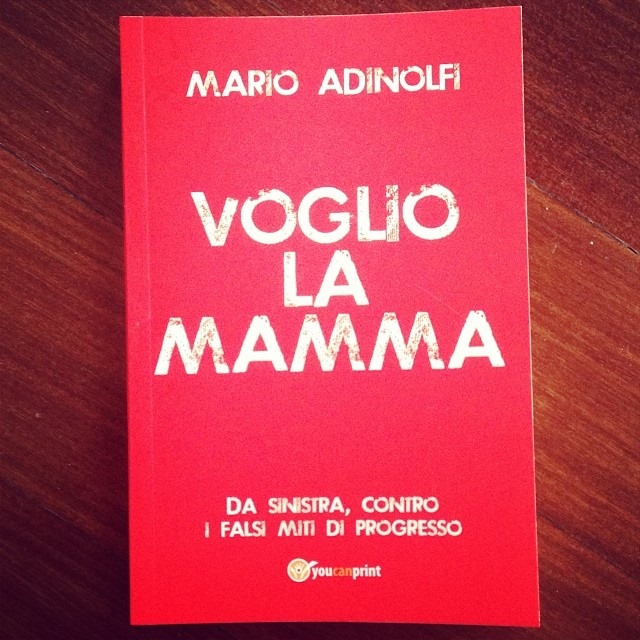
No. Non sono ovvie. Sennò non si spiegherebbe perché in tanti lo vogliano sentir parlare, comprino il suo libro, fondino circoli per diffonderlo. La verità è che la maggior parte delle persone comuni, cioè quelle che non dirigono né scrivono giornali, o la pensano già come lui, oppure quando lo ascoltano non possono che scoprirsi d’accordo con lui. Già perché Mario, con la sua disarmante ragionevolezza, e con una buona quantità di dati e numeri e fatti incontrovertibili smaschera un sacco di bugie che ci fanno bere quasi tutti i giornali e i telegiornali inneggianti ai falsi miti di progresso (e, chissà come, per inciso, colti da amnesia sulle quotidiane persecuzioni ai cristiani).
E adesso, per fronteggiare la marea montante dell’informazione – sarebbe meglio dire della propaganda – mainstream che pare unanime nel denunciare la barbarie di chi crede ancora nella famiglia tradizionale, di chi si ostina a dire che i figli bisogna generarli alla vecchia maniera, lasciandoli alla madre che li partorisce, oppure adottarli se la madre non se ne può più fare carico, ecco, per fronteggiare le imponenti aggressive avanzate del nulla ha persino deciso di fondare un giornale, e non un quindicinale, ma un quotidiano, un’impresa massacrante e costosissima. Alla mia domanda “ma, scusa, i fondi?” Mario risponde tranquillo che Qualcuno assicurerà lo stesso finanziamento stanziato ai gigli dei campi e agli uccelli del cielo, cioè esattamente tutto l’occorrente. Il quotidiano si chiamerà La Croce e vedrà la luce il 13 gennaio 2015. Non so perché questa data, ma per mia deformazione – controllo sempre il santo del giorno, se non lo ricordo – noto che è il giorno di Sant’Ilario, dottore della Chiesa, fiero avversatore delle eresie. Il suo dono – scrive Benedetto XVI – era “coniugare fortezza nella fede e mansuetudine nel rapporto interpersonale”. Be’, Mario sotto la scorza dell’orso è una delle persone più simpatiche che conosco, e la sua fede, nonostante lui si affanni sempre a dichiarare di essere un peccatore, nonostante a messa si sieda nelle ultime file, nonostante non abbia il look da parrocchia, è una delle più forti che abbia mai visto.
fonte: Credere
mercoledì, settembre 24, 2014
Dancing Traffic Signal Makes Crossing the Street More Fun
Dancing Traffic Signal Makes Crossing the Street More Fun:
[ By Steph in Art & Installation & Sound. ]

Impatient pedestrians eager to get across the street stop, point and laugh when they realize that the usually-static human figure in the crosswalk signal is dancing maniacally, waving its arms and legs. Not only is the figure dancing, it’s mimicking the real-time movements of passersby in a nearby booth.


The ‘WhatAreYouFOR’ campaign by Smart aims to make intersections safer by providing some attention-getting entertainment.
The people waiting to cross often can’t help dancing right along with the little figure, unaware that a real person is busting moves in an adjacent plaza, their dancing captured on camera and translated into the red pixelated silhouette.


As a result, according to the creators, 81% more people stopped at the red light, increasing safety all around. “And they even had more fun doing so.”
[ By Steph in Art & Installation & Sound. ]
Impatient pedestrians eager to get across the street stop, point and laugh when they realize that the usually-static human figure in the crosswalk signal is dancing maniacally, waving its arms and legs. Not only is the figure dancing, it’s mimicking the real-time movements of passersby in a nearby booth.
The ‘WhatAreYouFOR’ campaign by Smart aims to make intersections safer by providing some attention-getting entertainment.
As a result, according to the creators, 81% more people stopped at the red light, increasing safety all around. “And they even had more fun doing so.”
Iscriviti a:
Post (Atom)